THE PROXY WARS RETURN — Houthis, Hezbollah, and Iran’s Distributed Army
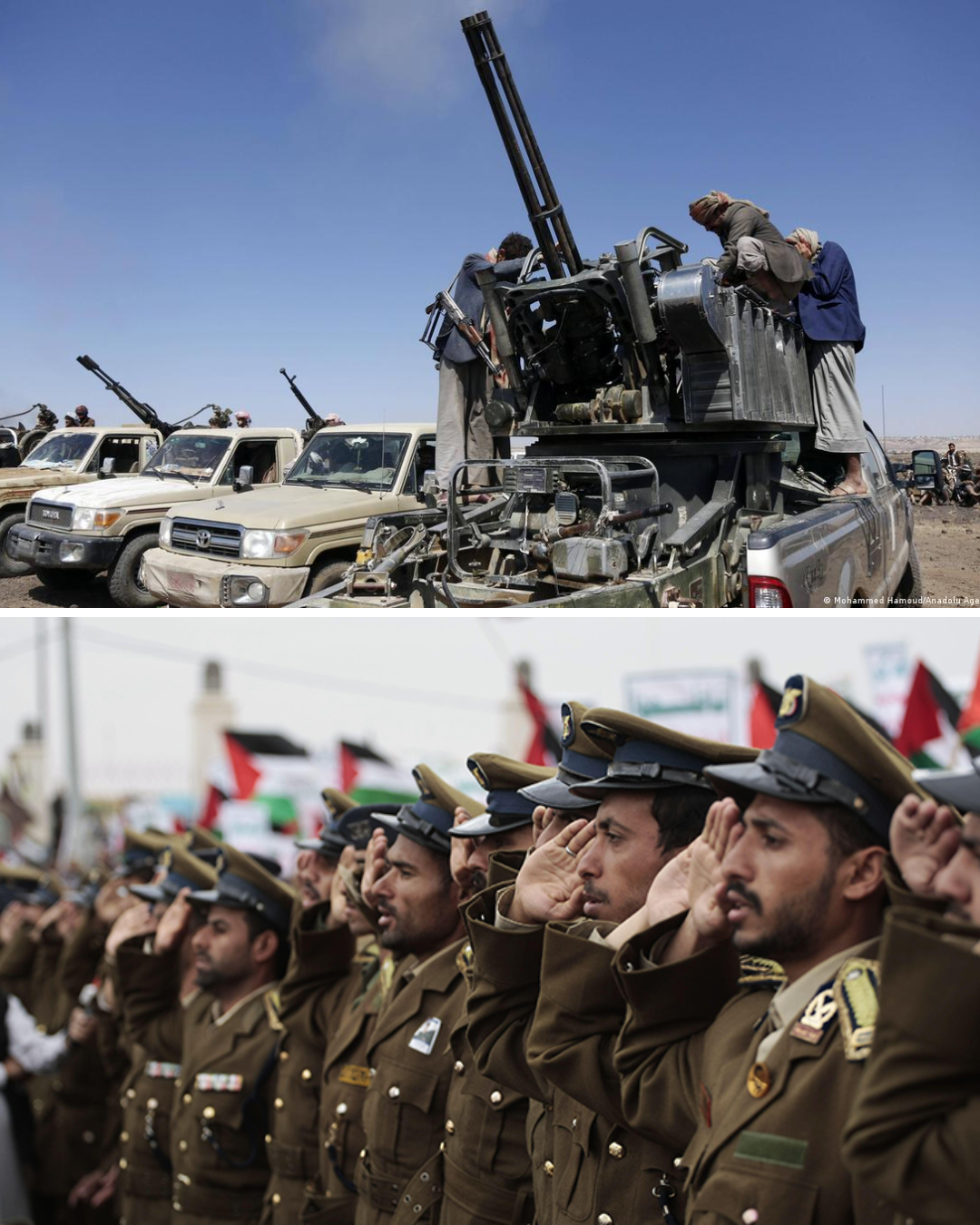
The moment Operation Epic Fury commenced, a vast machinery of violence that Iran had spent decades constructing across the Middle East began to stir. The Yemen-based Houthis — reduced but not destroyed by years of Saudi and American military pressure — announced they would resume attacks in the Red Sea. Hezbollah in Lebanon, weakened by the 2024 war with Israel but still possessing thousands of rockets and missiles, was on alert. Iraqi Popular Mobilization Forces confirmed two fighters were killed in U.S. strikes at Jurf al-Sakhar, south of Baghdad — signaling American awareness that Iraqi militia sites were being activated.

Iran’s proxy network is the most sophisticated asymmetric warfare architecture ever constructed by a middle power. Unlike a conventional military that requires territory, logistics, and centralized command to function, Iran’s regional proxy forces are deliberately designed to operate semi-independently — capable of sustained operations even if Tehran’s central command is disrupted or destroyed. This is not a coincidence or an improvisation. It is a doctrine called “forward defense” that Iran has spent more than 30 years building, funding, training, and equipping precisely in anticipation of the scenario that unfolded on February 28.
The Houthi resumption of Red Sea attacks carries immediate global economic implications. In 2024 and early 2025, Houthi attacks on commercial shipping forced the rerouting of a substantial fraction of global trade from the Suez Canal route around the Cape of Good Hope — adding weeks and thousands of dollars to per-voyage costs, contributing to global inflation in shipping rates. A renewed Houthi campaign, emboldened by Iran’s direct engagement in conflict with the United States, will not be restrained by the kind of calculated calibration that characterized the earlier Houthi offensive. Iran’s proxies now have every incentive to escalate rather than limit their operations.
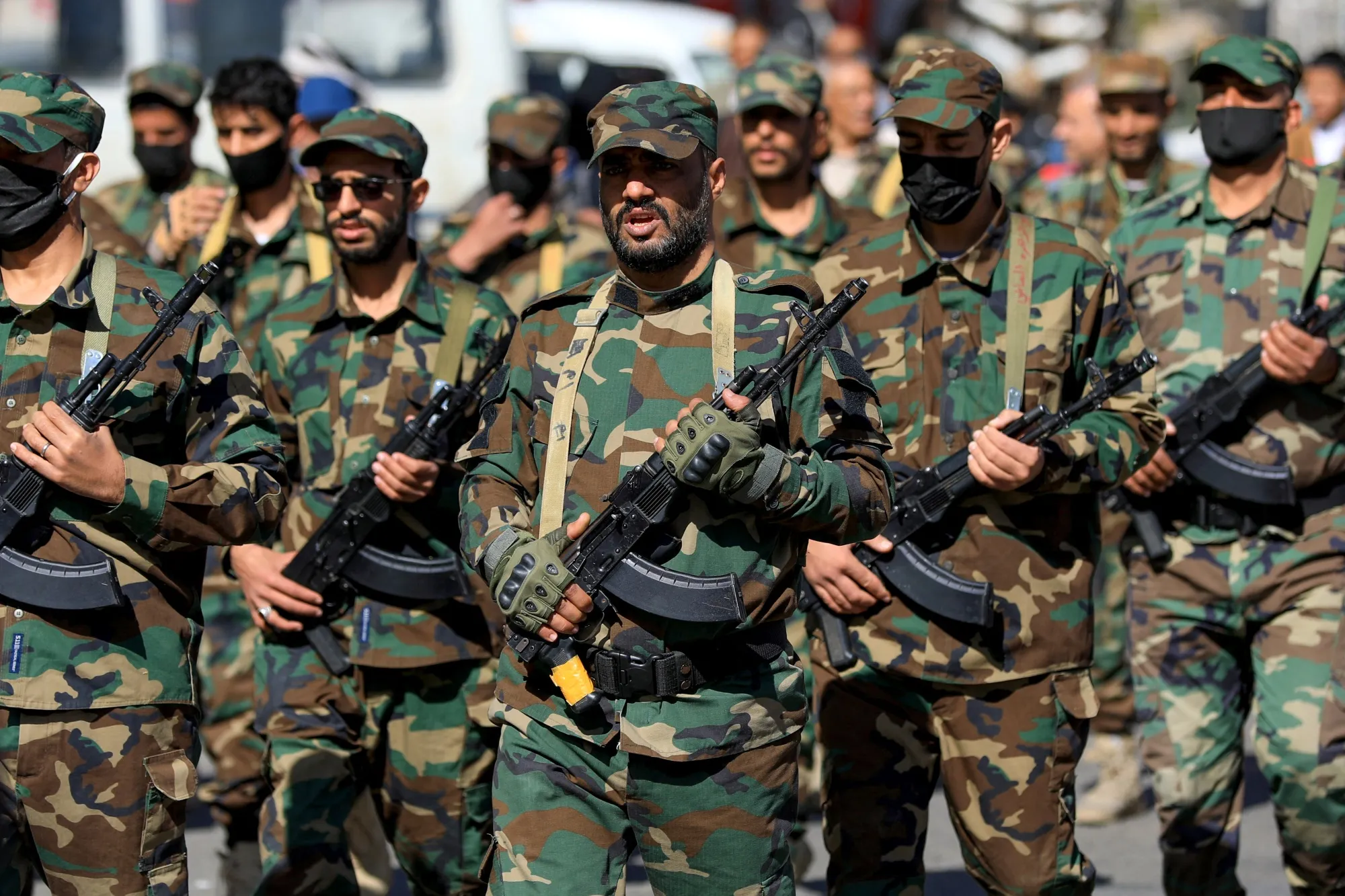
The challenge this poses for U.S. military planners is the fundamental challenge of distributed warfare: you cannot win by destroying a headquarters. CENTCOM has confirmed strikes on multiple IRGC command and control facilities. But Hezbollah’s operational command is in Beirut, not Tehran. Houthi command is in Sanaa. Iraqi militia command is in Baghdad. Destroying Iran’s military infrastructure does not automatically disable these organizations — it may simply cut them loose from Iranian restraint, leaving them to operate on their own maximally aggressive initiative.
The deployment of additional U.S. military assets to the region — two aircraft carriers, at least 12 ships operating in CENTCOM’s area of responsibility — provides the kinetic capability to respond to proxy attacks. What it cannot provide is a political solution to the underlying grievances that sustain proxy movements in Yemen, Lebanon, and Iraq. Military force can suppress proxy organizations temporarily. Experience from two decades of U.S. operations in the Middle East suggests it cannot eliminate them while the political conditions that generate them remain unaddressed.

The re-activation of Iran’s proxy network means the geographic scope of this conflict extends far beyond Iranian territory. The war is simultaneously in Tehran, in the Red Sea shipping lanes, in southern Lebanon, in Iraq, and across every U.S. military installation in the Gulf region. This is the distributed battlefield Iran spent 30 years preparing. America is now fighting on it.