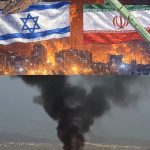
OPERATION GENESIS — Inside the Largest Combat Sortie in Israeli Military History
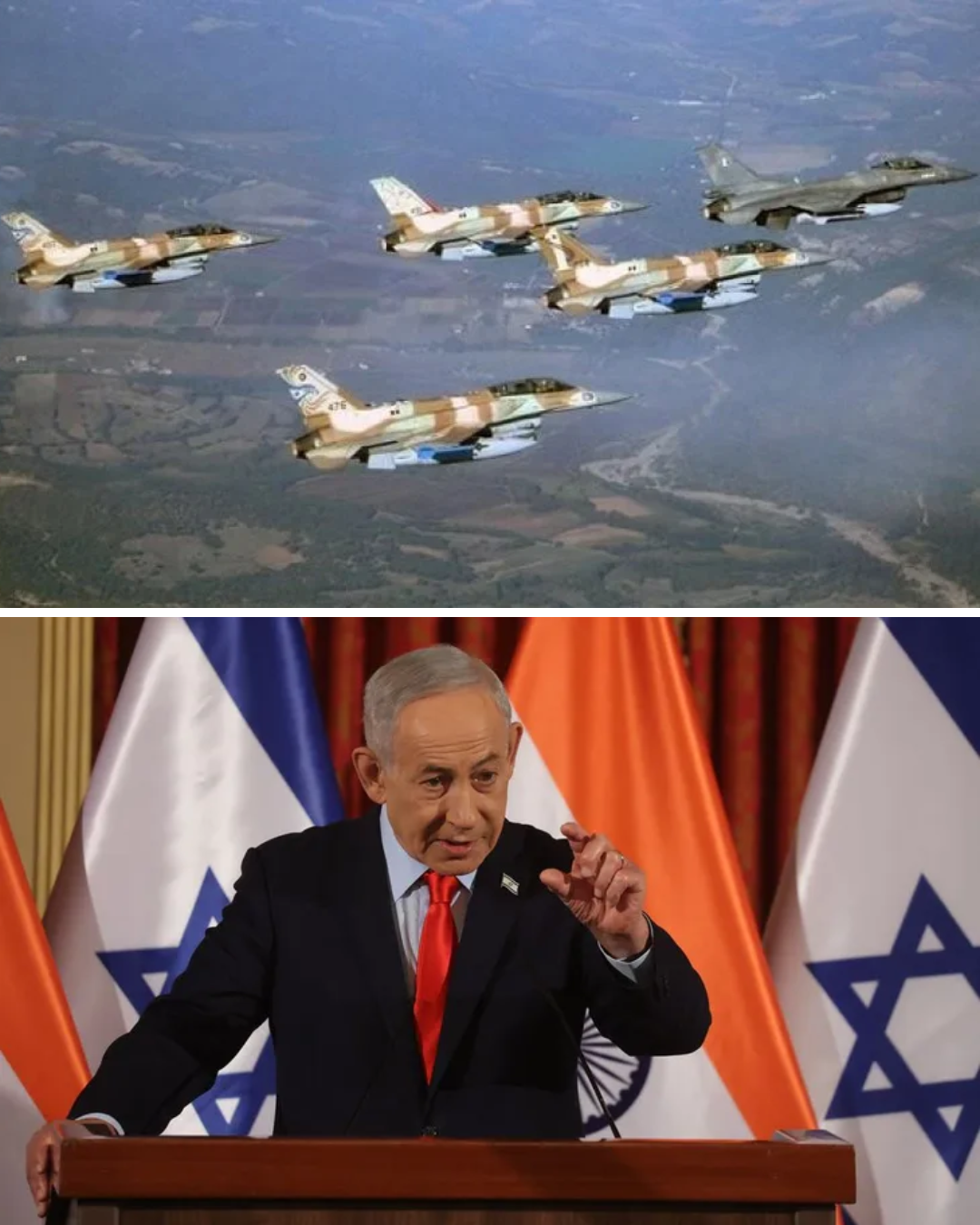
When historians assess Operation Epic Fury, they will note that while the operation bore an American name, a significant portion of its kinetic weight was delivered by the Israeli Air Force in a component codenamed Operation Genesis — described officially as the largest combat sortie in Israeli military history. Approximately 200 Israeli fighter jets struck 500 military targets across western and central Iran, including air defense systems and missile launchers. In a single night, Israel executed an operation that dwarfed in scale every previous Israeli military air campaign, including the strikes on the Iraqi Osirak reactor in 1981 and the Syrian reactor in 2007.
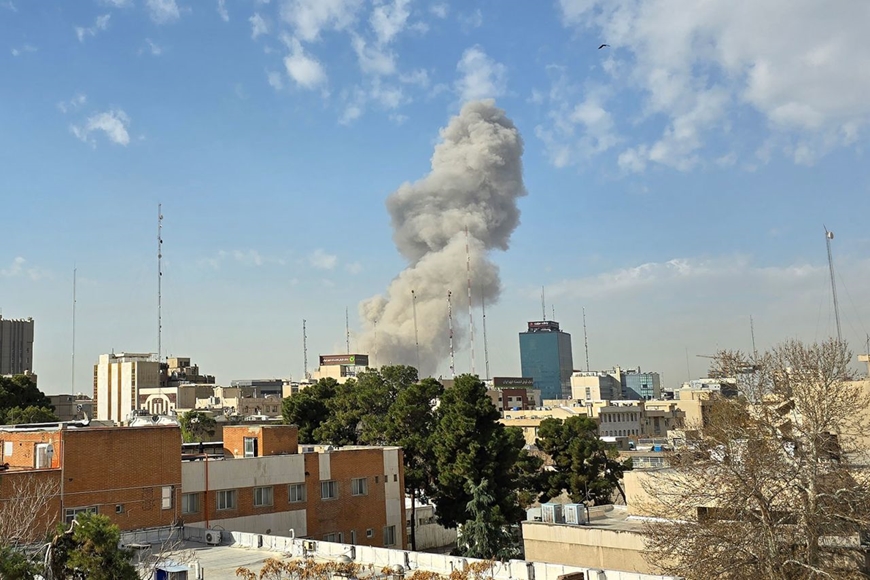
The operational planning behind a 200-aircraft sortie against targets spread across a country 15 times Israel’s size represents an extraordinary logistical and tactical achievement. Israel’s Air Force, equipped primarily with F-35I Adir and F-15I Ra’am aircraft, lacks the reach to conduct sustained operations over Iran without aerial refueling — a capability Israel has invested massively in developing specifically for this contingency. The routing of 200 aircraft over the airspace of multiple states — some cooperative, some not — required either prior diplomatic coordination or in-flight navigation that avoided detection and interception.
The choice to name the operation “Genesis” carries unmistakable religious and historical resonance: the beginning of a new order, the creation of a new reality from the chaos of conflict. It signals that Israeli planners viewed Operation Genesis not merely as a tactical strike but as a transformative historical moment — the definitive end of the era in which Iran could threaten Israel with nuclear weapons and proxy armies while enjoying relative immunity from direct military consequences.
500 targets in a single night represents a targeting list assembled over years of meticulous intelligence work. The Israeli intelligence community’s penetration of Iranian military infrastructure — demonstrated repeatedly through the assassinations of nuclear scientists, the Stuxnet cyber operation, and the 2018 theft of Iran’s nuclear archive — provided the target data that translated into 500 strikes in one night. This is not air power improvised under pressure. It is air power applied with extraordinary precision against a target set painstakingly identified over a decade.
Yet the scale of the operation also raises the questions that scale always raises: with 500 military targets spread across western and central Iran, and with civilian infrastructure necessarily proximate to many military sites, what is the total civilian casualty toll from Operation Genesis alone? Israel has not provided comprehensive battle damage assessment data. Iran’s communications blackout prevents independent verification. The number of strikes that hit their intended military targets, the number that missed, and the number that hit civilian objects are all unknown to the public at this stage.
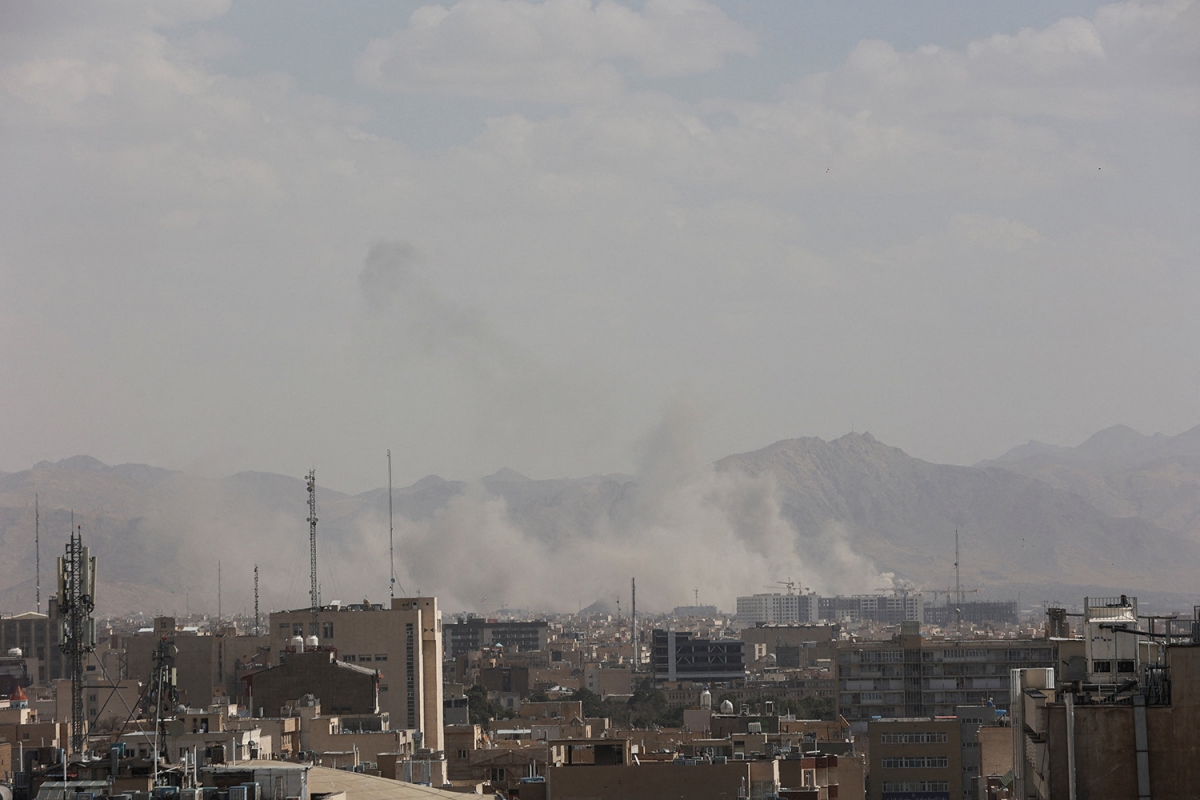
What is clear is that Israel has crossed a threshold it will never be able to uncross. Having struck Iran directly at this scale, the Iranian threat calculus for the entire Middle East has changed permanently. Whatever emerges from the wreckage of the Islamic Republic, any future Iranian government will operate in a security environment defined by the demonstrated reality that Israel is willing and able to project devastating military force deep into Iranian territory. The deterrence relationship between Jerusalem and Tehran has been fundamentally reordered by Operation Genesis — though whether toward stability or a more dangerous future confrontation remains to be seen.