No More Red Lines: A Night the Skies Caught Fire
- TranThuy
- March 1, 2026
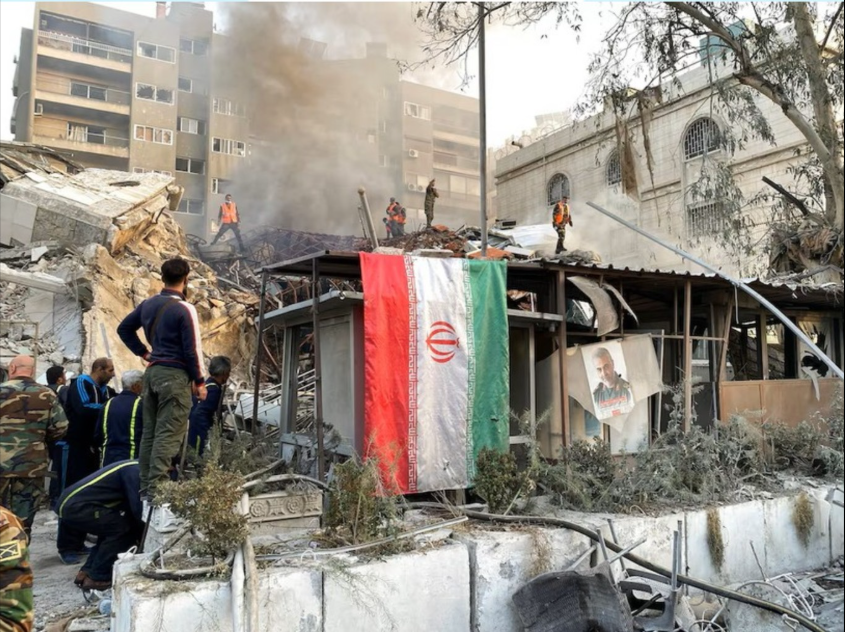
On February 28, 2026, a fierce warning from Tehran—“No more red lines!”—echoed far beyond political speeches and into the darkened skies of the Middle East. What had simmered as tension between Iran and the United States–Israel alliance erupted into a sweeping wave of missiles and unmanned aerial vehicles. Reports described coordinated strikes aimed at a U.S. military base in Bahrain while rockets streaked toward Israeli territory. The night sky, once calm, became a canvas of fire and smoke, as the world watched another chapter of an already fragile region unfold.
Air raid sirens pierced the silence in cities across Israel, jolting families awake and sending them rushing toward shelters. The rising wail carried both urgency and dread, a sound that has become tragically familiar in times of conflict. In Bahrain, security forces moved swiftly to assess damage and secure military installations. Across neighboring countries, governments acted with caution, some closing their airspace to civilian flights as a protective measure. Airports fell quiet, departure boards flickered with cancellations, and uncertainty spread as rapidly as the news itself.
In Israel, leaders ordered the mobilization of tens of thousands of reservists, signaling readiness for a prolonged confrontation if necessary. Uniformed soldiers left workplaces and family dinners, answering calls that carried the weight of national defense. Military convoys rolled through highways under tight security, while defense systems were placed on heightened alert. For many citizens, the mobilization felt like a stark reminder that the line between deterrence and open war can be dangerously thin.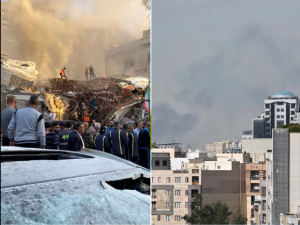
Statements from Tehran framed the retaliation as a response to prior strikes and mounting hostilities. Officials insisted that their actions were measured yet decisive, intended to send a message that further aggression would not go unanswered. Meanwhile, American and Israeli representatives reaffirmed their alliance and emphasized their commitment to regional security. Diplomatic channels buzzed behind closed doors, even as public rhetoric hardened. Each side claimed necessity; each warned of consequences.
Yet beyond the thunder of explosions and the defiant speeches are ordinary families navigating fear in real time. Parents reassured frightened children as distant booms rattled windows. Loved ones clung to phones, waiting for messages confirming safety. In homes across the region, prayers rose quietly above the noise of conflict. The human cost of geopolitical struggle revealed itself not only in damaged infrastructure but in anxious hearts and interrupted dreams.
As the world anxiously watches history unfold, a shared longing emerges beneath the headlines. In these fragile hours, humanity does not crave escalation but stability, not vengeance but understanding. The missiles may command attention, but it is the silent hope for peace that resonates most deeply. Whether leaders choose dialogue over destruction will shape not only borders and alliances, but the lives of millions who simply wish for calm skies and a future free from fear.