Echoes in the North: A City Confronts Its Divisions
- TranThuy
- March 1, 2026
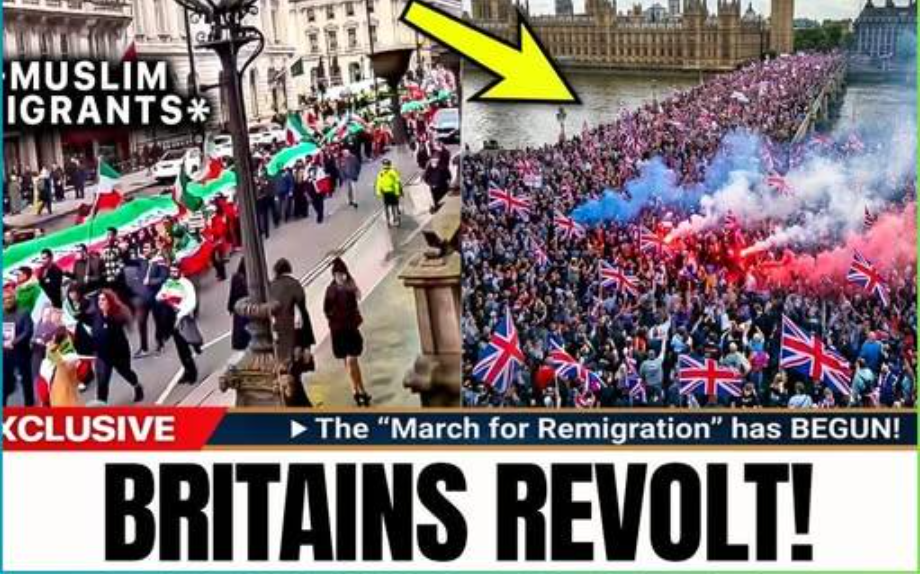
In the heart of a restless city, the streets of Manchester filled with thousands of voices rising into the gray afternoon sky. Some marched proudly, waving Union flags and chanting about sovereignty and tradition. Others held banners high in defiance, calling for compassion, diversity, and justice. What began as a demonstration over immigration and national identity soon swelled into a charged confrontation, transforming the city center into a stage where deeply held beliefs collided in full public view.
At first, the march moved with organized determination. Speeches echoed across the square, and groups advanced along planned routes under the watchful eyes of authorities. But as rival factions drew closer, the atmosphere thickened. Shouts sharpened into insults, and the air crackled with hostility. Police officers formed barriers, striving to keep opposing sides apart as tensions escalated. Flashing blue lights reflected off shop windows while helicopters hovered overhead, capturing a scene that felt both immediate and historic.
Videos recorded on smartphones quickly spread across social media, showing fragments of anger and fear unfolding in real time. In some clips, protesters could be seen arguing face-to-face, their voices raw with emotion. In others, officers rushed to intervene as scuffles broke out. Watching from living rooms across the country, many felt a heavy weight in their hearts. The images did not simply portray a protest; they revealed a nation grappling openly with its own uncertainties.
For some participants, the march represented a plea to protect cultural heritage and national sovereignty. They argued that rapid change had left communities feeling unheard and overlooked. For others, the demonstration symbolized exclusion and a narrowing definition of belonging. They feared that rhetoric surrounding immigration risked deepening prejudice and pushing neighbors further apart. Each side believed it was defending something precious—identity, fairness, or opportunity.
Beyond the smoke of flares and the shards of shattered bottles, one truth stood unmistakable: Britain is wrestling with profound questions about its future. Who belongs? How can fairness be defined in a society shaped by centuries of history and waves of migration? These are not questions answered in a single march or settled in one heated afternoon. They demand patience, empathy, and the willingness to listen even when emotions run high.
As night fell over Manchester, the crowds gradually dispersed, but the debate did not fade with them. It lingered in conversations at dinner tables, in online forums, and in the quiet reflections of those who long for unity. Until these difficult questions are faced through calm dialogue rather than fury, the streets may continue to echo with more heat than harmony. Yet within the tension lies possibility—the hope that honest conversation can replace confrontation, and that a divided city might still discover common ground.