A Nation at a Crossroads: Immigration and the Limits of Power
- TranThuy
- March 1, 2026

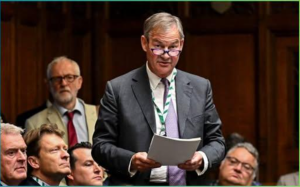
A political firestorm has swept across United Kingdom after MP Rupert Lowe delivered a hard-line speech on immigration that immediately dominated headlines. Speaking with sharp conviction, Lowe called for strict detention measures and faster deportation policies, arguing that the current system is overwhelmed and ineffective. His uncompromising tone electrified supporters and unsettled critics, turning what might have been another parliamentary address into a defining national moment.
Supporters applauded his directness, claiming he voiced frustrations long ignored by mainstream politics. They argue that border control is fundamental to sovereignty and public confidence, insisting that firm enforcement is necessary to restore order. For them, Lowe’s speech represented clarity and courage—a refusal to soften language on an issue they believe demands decisive action. In their eyes, tough measures are not about exclusion but about preserving stability.
Yet the backlash was swift and intense. Critics warned that sweeping rhetoric risks targeting entire communities rather than addressing specific legal concerns. Advocacy groups and opposition leaders expressed fear that such language could deepen social divides and foster hostility toward immigrants who contribute positively to society. For these voices, the debate is not solely about policy mechanics but about the moral tone a nation sets when discussing vulnerable populations.
Across towns and cities, conversations have grown louder and more emotional. In cafés, on university campuses, and across social media platforms, citizens debate what fairness truly means. Some frame the issue around border integrity and national identity, asking how a country can manage migration without firm controls. Others emphasize pluralism and human dignity, arguing that compassion and inclusion are strengths rather than weaknesses. The intensity of these discussions reflects how deeply immigration touches questions of belonging and shared future.
Beyond partisan lines lies a complex reality. Immigration policy involves legal systems, international agreements, labor markets, and humanitarian obligations. It demands balancing enforcement with due process, and security with empathy. Experts caution that oversimplified solutions rarely capture the full scope of the challenge. Effective reform requires not only decisive leadership but also careful safeguards that uphold fundamental rights.
In the echo of Rupert Lowe’s speech, Britain finds itself wrestling with a difficult and enduring question: how can a nation enforce its laws firmly while still holding onto fairness, unity, and respect for all who call it home? The answer will not emerge from a single address or a single protest. It will require sustained dialogue, thoughtful compromise, and a commitment to both order and justice. Only then can the country hope to transform political firestorms into constructive paths forward.