Echoes in the Night: Northern Ireland at a Crossroads
- TranThuy
- March 1, 2026
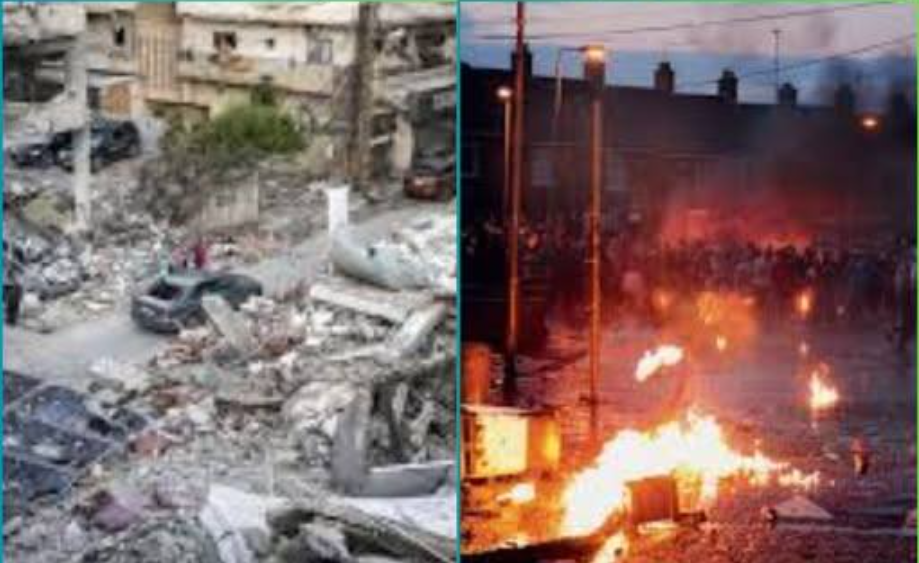
Sirens pierced the darkness across Northern Ireland as unrest flared over tensions linked to the migrant crisis. Streets that had once settled into uneasy calm were suddenly alive with flashing blue lights and anxious whispers. Reports of clashes between groups and police spread quickly, while emergency services struggled to manage scattered outbreaks of disorder. For many families watching from behind drawn curtains, the night felt heavy with uncertainty and fear.
Smoke drifted above neighborhoods long associated with resilience and hard-earned peace. Residents spoke of shattered windows, blocked roads, and the unsettling sense that old anxieties were resurfacing in new forms. Community centers that once hosted dialogue sessions now found themselves fielding worried calls from locals seeking reassurance. The fragile balance that had defined recent years seemed momentarily shaken, leaving many to ask how frustration had boiled over so suddenly.
Behind the visible chaos lies a deeper ache. Some residents express anger over immigration policies they believe have placed pressure on housing, healthcare, and employment. Others fear that political leaders have failed to address concerns transparently and effectively. At the same time, migrant families—often fleeing hardship or instability—find themselves caught in the crossfire of public resentment, uncertain of their safety in unfamiliar surroundings. The tension reflects not only policy disputes but emotional strains within communities already shaped by complex histories.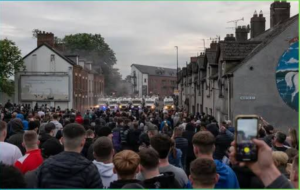
Political voices have urged calm, reminding citizens that violence and intimidation undermine democratic solutions. Community leaders and faith groups have called for dialogue, emphasizing that sustainable answers require cooperation rather than confrontation. Northern Ireland’s past offers both caution and hope: it has endured periods of profound division but has also demonstrated the power of negotiation and compromise. The lessons of history suggest that progress, though fragile, is possible when conversation replaces chaos.
For ordinary people, however, the crisis feels intensely personal. Parents worry about their children walking to school. Shopkeepers fear further damage to businesses already stretched thin. Migrant families grapple with uncertainty, unsure whether they are seen as neighbors or outsiders. In such an atmosphere, rumors can spread quickly, deepening mistrust and amplifying anger. Stability depends not only on official statements but on everyday acts of reassurance and solidarity.
The question now is not only how the unrest began, but what comes next. Will this painful chapter become a turning point toward renewed understanding and practical reform? Or will it serve as a warning of what happens when divisions are left to burn unchecked? The answer lies in the choices made in the days ahead—choices that will determine whether sirens continue to echo through the night, or whether calm and cooperation once again define the streets of Northern Ireland.