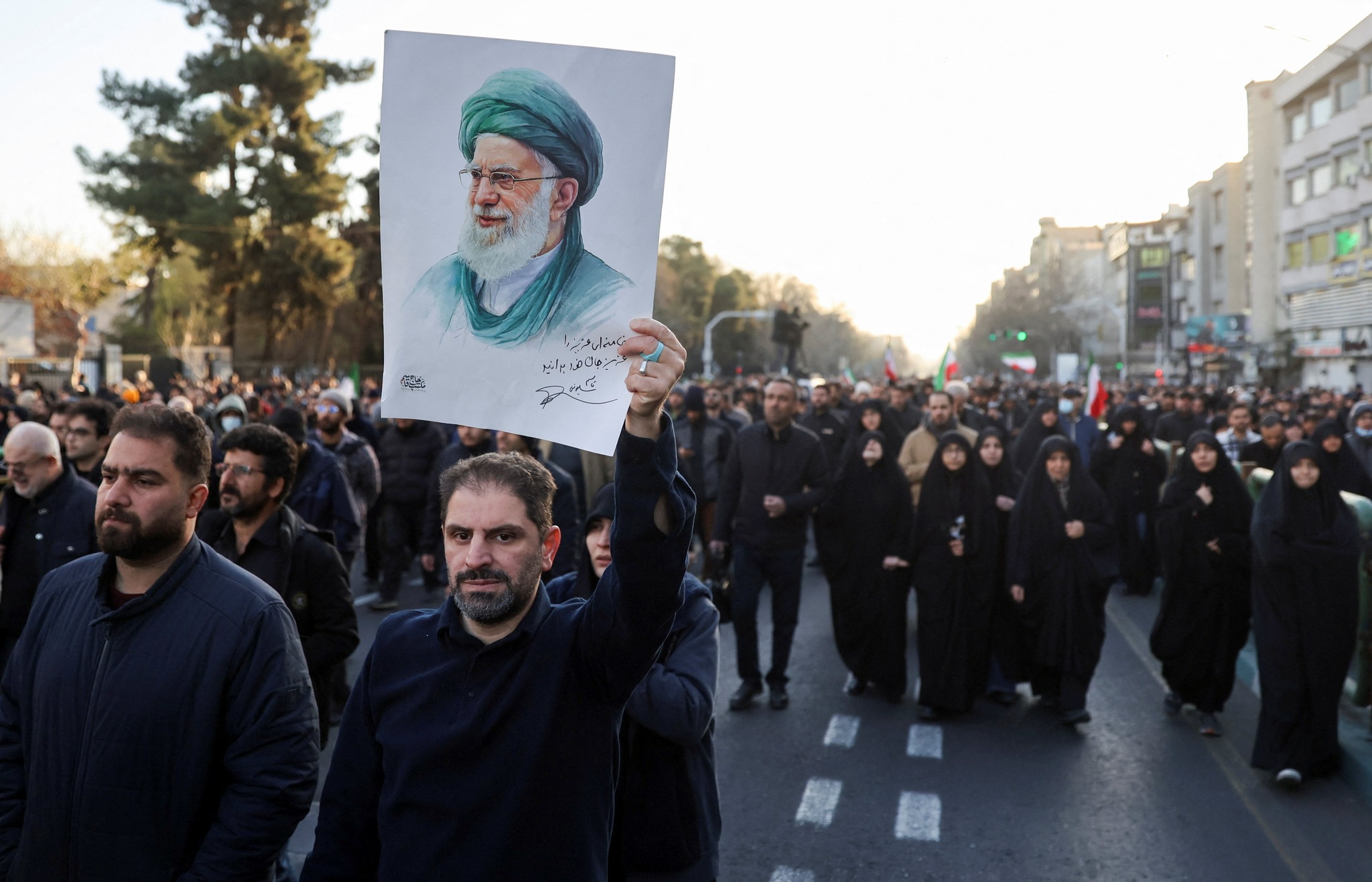
Mass Mourning After Iran’s Supreme Leader Khamenei Killed in US-Israel Strikes
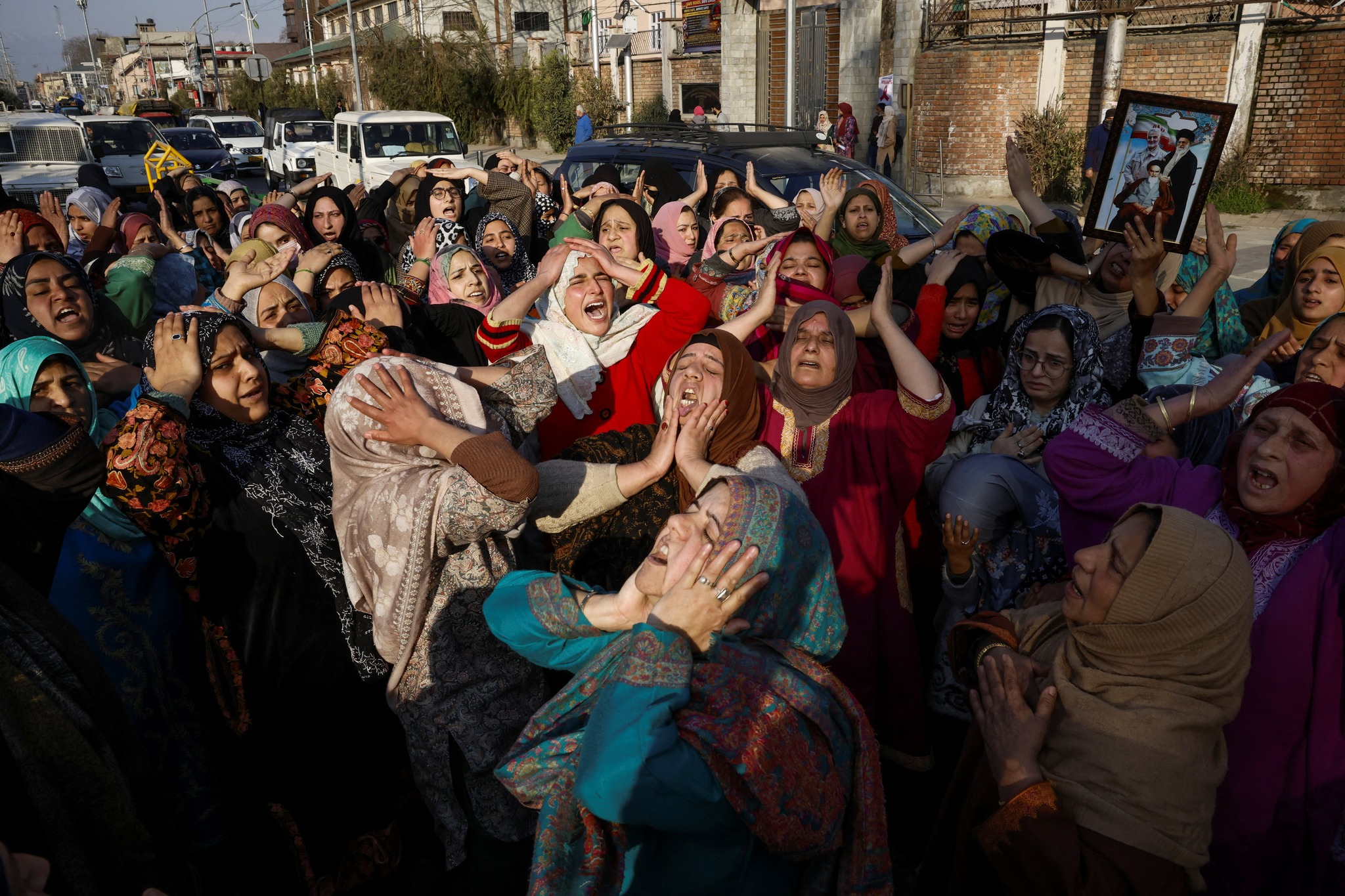
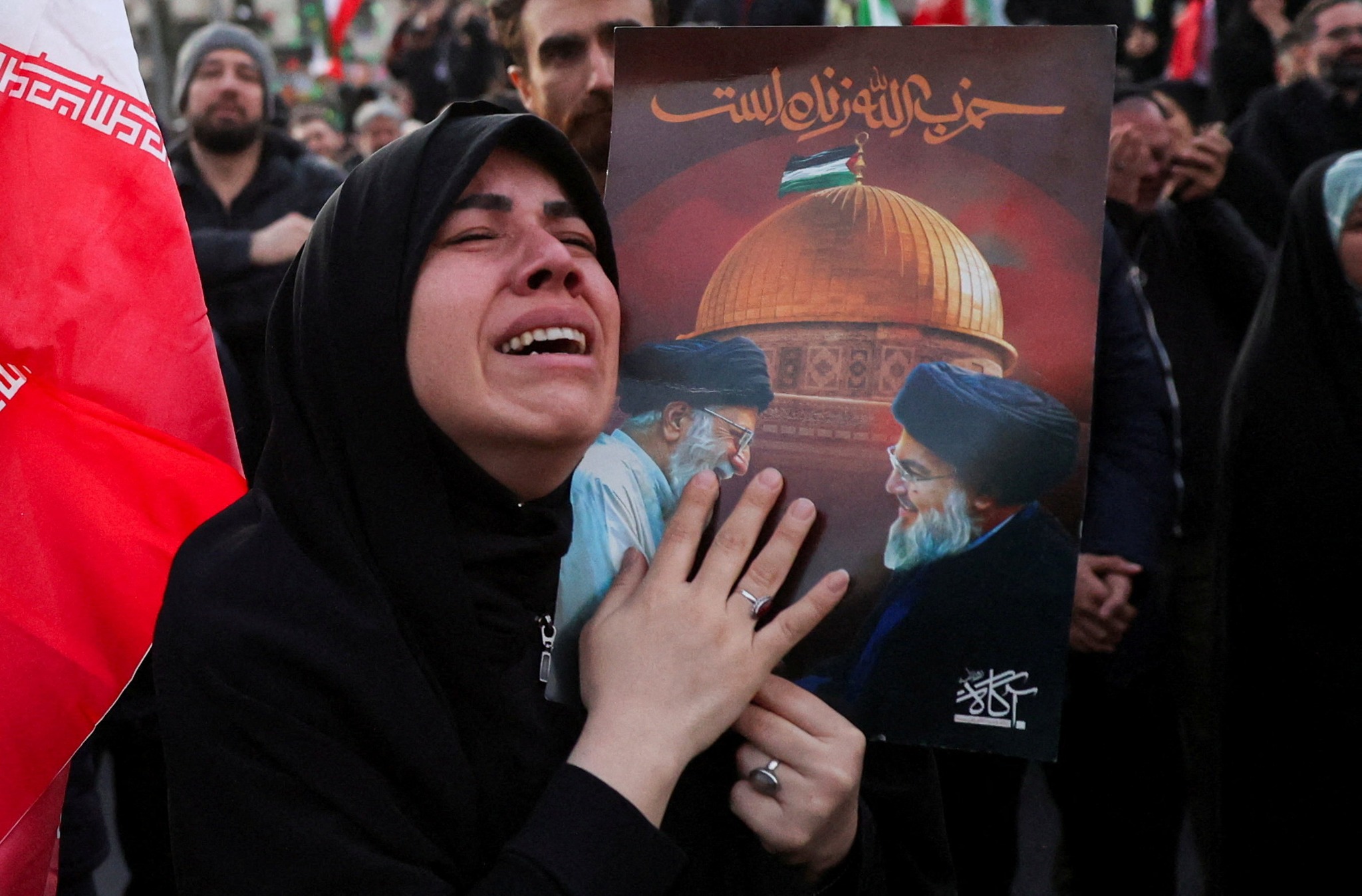
Thousands of people were seen grieving in the streets of Iran, especially in Tehran, after Ayatollah Ali Khamenei, the country’s long-time Supreme Leader, was reported killed in coordinated military strikes carried out by United States and Israel forces on Saturday. His death marks one of the most dramatic developments in Middle Eastern geopolitics in decades and has triggered an outpouring of public emotion and state-declared mourning.
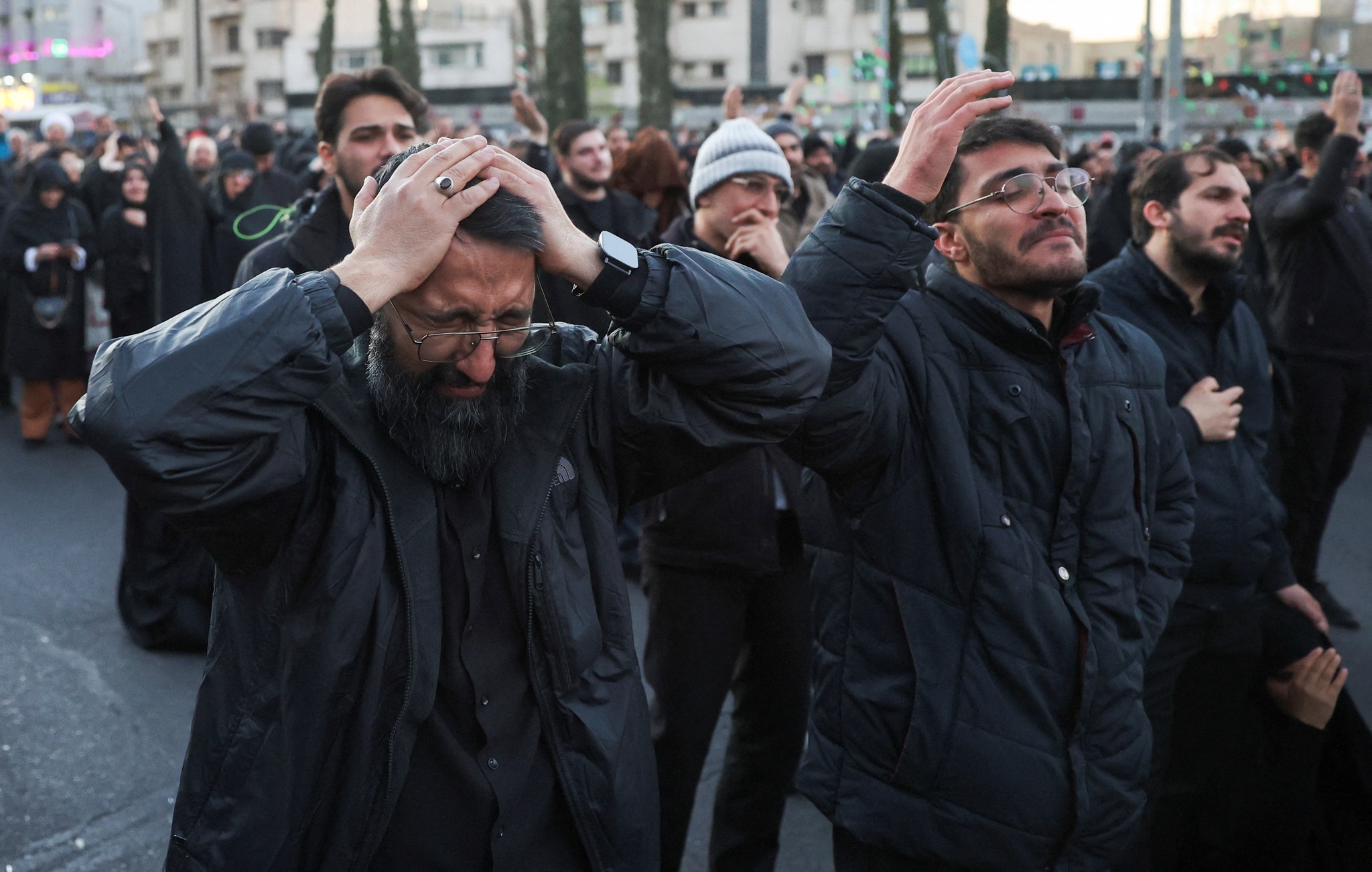
State media and Iranian authorities have confirmed Khamenei’s death following the weekend’s air campaign, which targeted multiple locations in the Iranian capital and across the country. In response, officials announced an extended period of public mourning, with images and reports showing throngs of citizens gathering to pay their respects, chant slogans, and express shared sorrow at the loss of a leader who had shaped Iran’s political and religious landscape for nearly four decades.
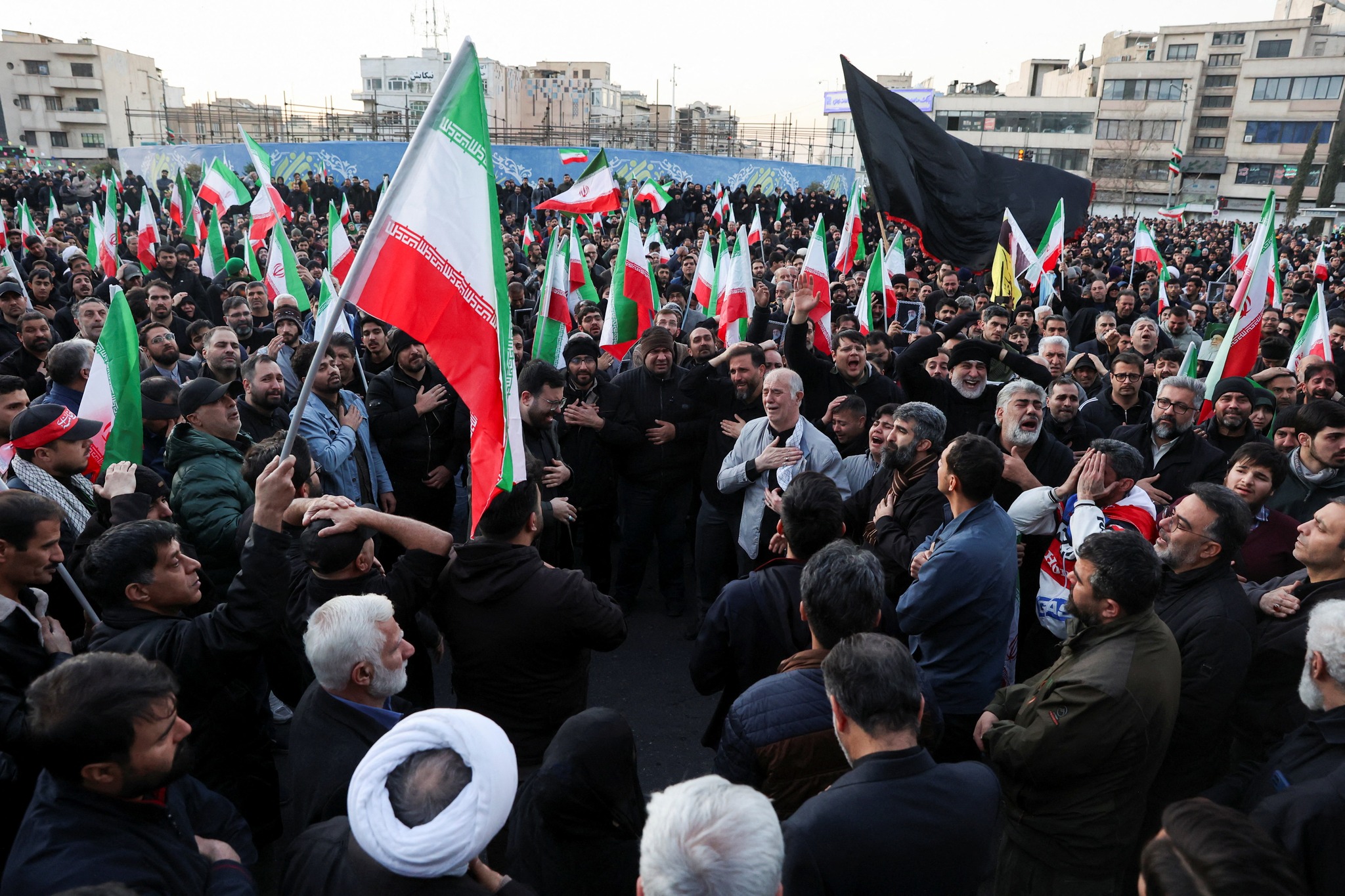
The strikes that killed Khamenei also come amid escalating hostilities between Iran and Western-aligned forces, with Iran’s Revolutionary Guard and government officials vowing retaliation following the attack. The sudden death of Khamenei leaves a leadership vacuum at the helm of the Islamic Republic and raises pressing questions about Iran’s next steps, both domestically and in its foreign policy.
International reactions have been mixed, with many world leaders calling for restraint to prevent further escalation, while regional tensions remain high. The broader implications of Khamenei’s death are likely to shape diplomacy, security, and alliances across the Middle East in the coming weeks and months.
International reactions have been mixed, with many world leaders calling for restraint to prevent further escalation, while regional tensions remain high. The broader implications of Khamenei’s death are likely to shape diplomacy, security, and alliances across the Middle East in the coming weeks and months.