US–Iran Escalation Erupts Into Major Regional Crisis
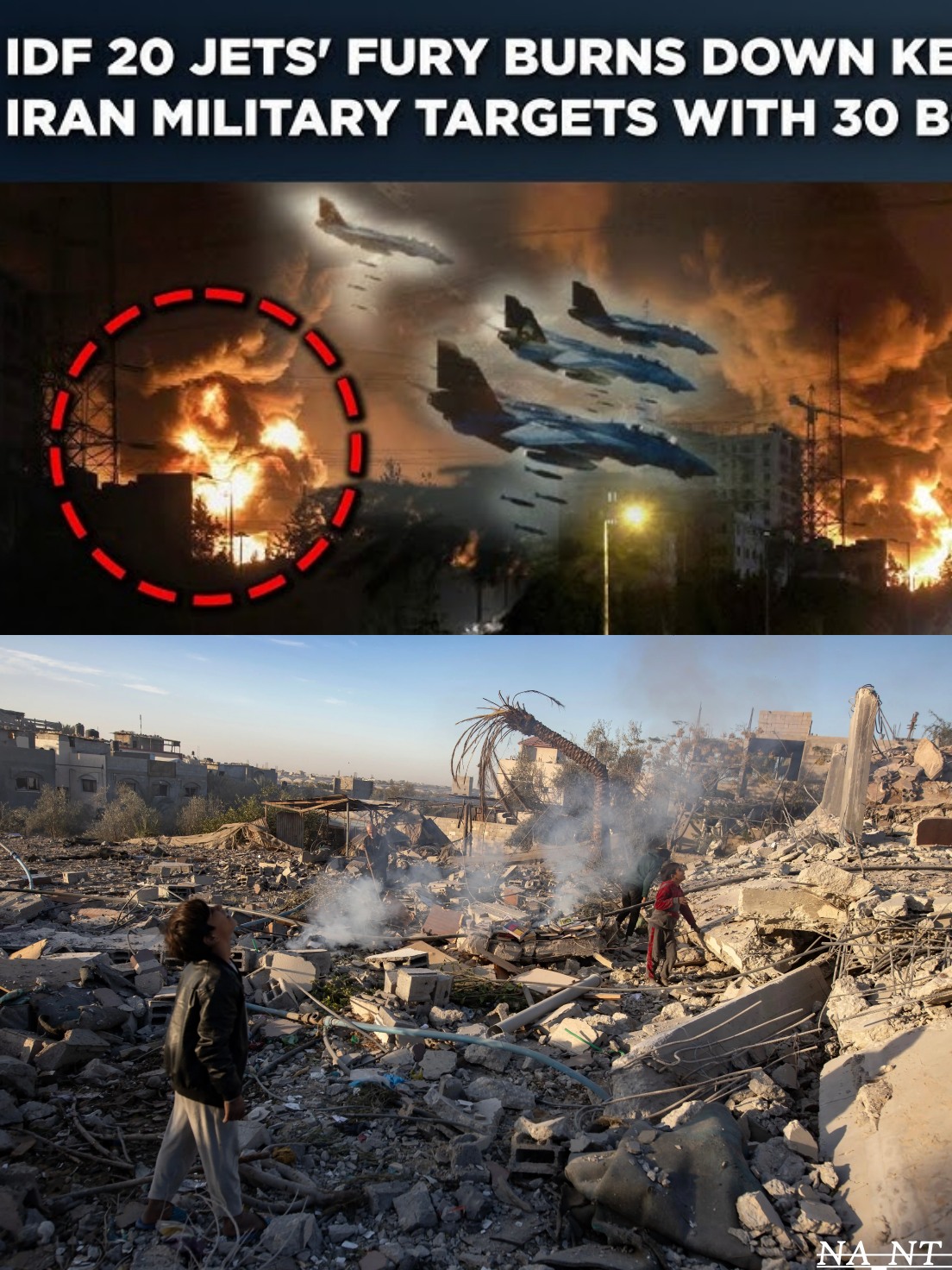
A dramatic surge in hostilities has placed the world on edge after coordinated military strikes by the United States and Israel targeted key military and strategic locations inside Iran on February 28, 2026. Explosions were reported in Tehran and several other cities, marking one of the most significant direct confrontations between the longtime adversaries in recent history.
According to official statements, the strikes were part of a coordinated operation aimed at neutralizing strategic threats. However, the impact was immediate and far-reaching. Iranian authorities condemned the attacks as acts of aggression and swiftly launched retaliatory missile and drone strikes targeting U.S. military bases and allied facilities across the Middle East.
Countries including Bahrain, Qatar, and the United Arab Emirates reported heightened security alerts as regional air defense systems were activated. The rapid exchange of force has fueled fears that the confrontation could expand beyond a contained conflict.
Compounding tensions are reports surrounding the death of Iran’s Supreme Leader, an event that, if confirmed, would represent a historic turning point for the Islamic Republic and further destabilize the political landscape. The possibility of a leadership vacuum in Tehran adds uncertainty to an already volatile situation.
World leaders have since urged restraint, emphasizing the urgent need for diplomatic channels to prevent a broader regional war. Yet with both sides signaling resolve, the coming days are expected to be critical in determining whether this flashpoint escalates further or gives way to negotiations.
The crisis underscores how fragile geopolitical balances remain in the Middle East — and how quickly localized strikes can reverberate across the global stage.