Middle East on Edge After U.S.–Israel Strikes and Iranian Retaliation
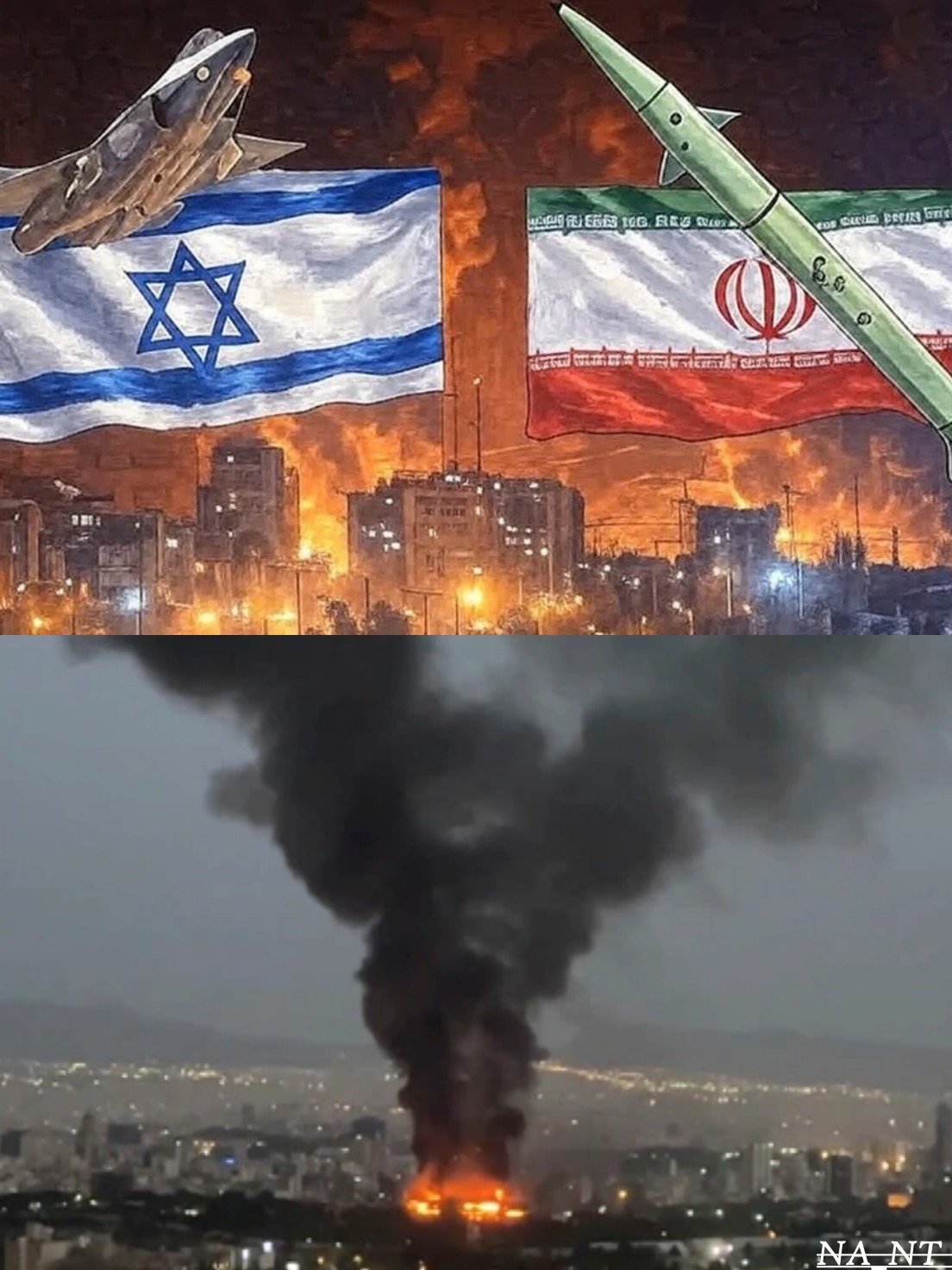
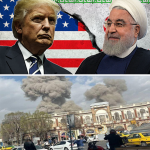
A dramatic and dangerous escalation unfolded on February 28, 2026, when the United States and Israel launched a large-scale coordinated attack on Iran, targeting strategic military infrastructure, missile installations, nuclear-related facilities, and high-level leadership sites in Tehran.
Iranian state media reported the death of Supreme Leader Ali Khamenei, a development that, if fully confirmed, marks a historic and destabilizing moment for the Islamic Republic. News of his reported death sent shockwaves across the country, prompting public mourning, heightened security measures, and deep uncertainty about Iran’s political future.
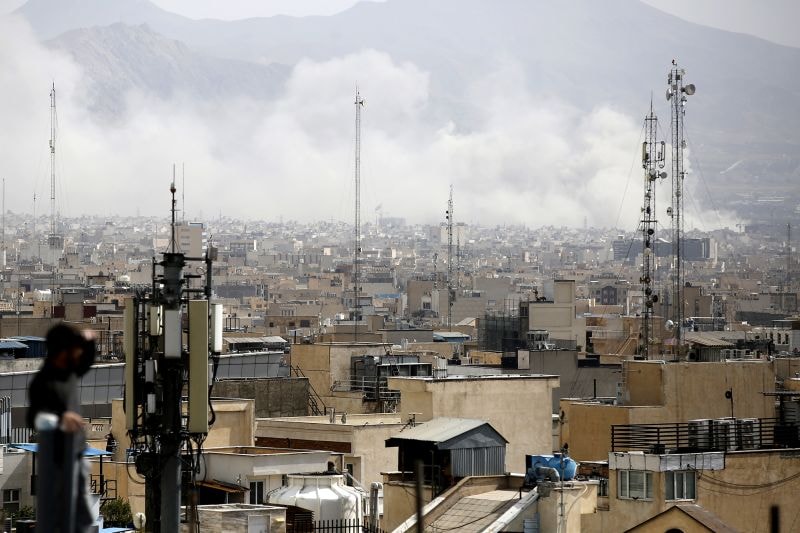
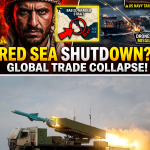
Tehran responded swiftly and forcefully. Waves of missiles and drones were launched toward U.S. military bases and allied facilities across the Gulf region. Air defenses were activated from Bahrain to the United Arab Emirates, as regional governments moved into high alert. Sirens sounded, interceptions lit up the skies, and fears of a broader regional war intensified.
Civilian casualties have been reported on multiple sides, and the humanitarian impact remains uncertain as the situation continues to evolve. Energy markets, diplomatic channels, and global security frameworks are all feeling the strain of this confrontation.
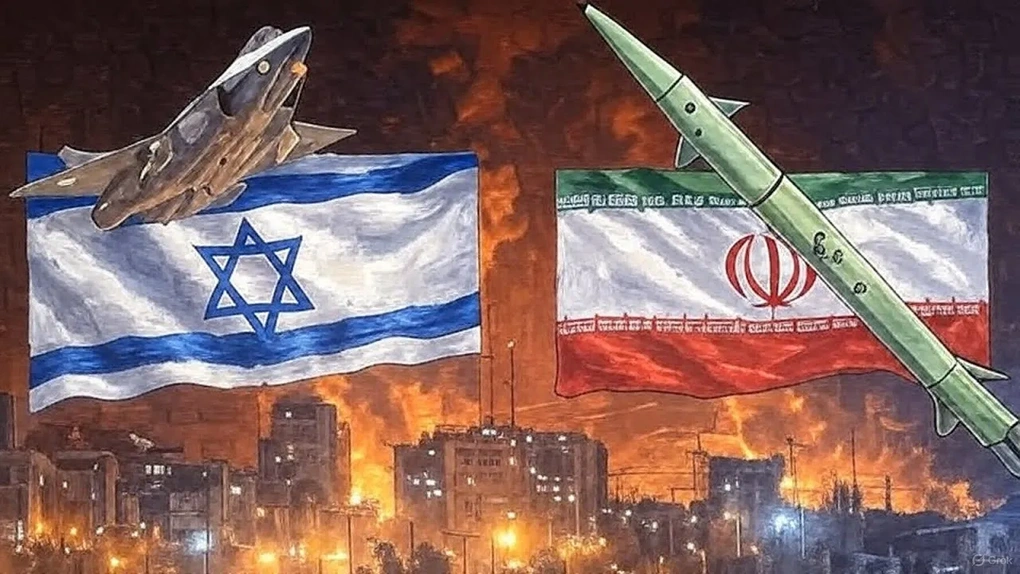
World leaders are urgently calling for de-escalation, warning that continued exchanges could spiral into a far wider conflict. Yet with both sides signaling resolve and preparing for further action, the immediate future remains highly volatile.
The question now hanging over the international community is stark: can diplomacy regain ground, or has the region crossed into a new and more dangerous chapter of open state-to-state warfare?