Operation Epic Fury: The Night the Middle East Changed Forever
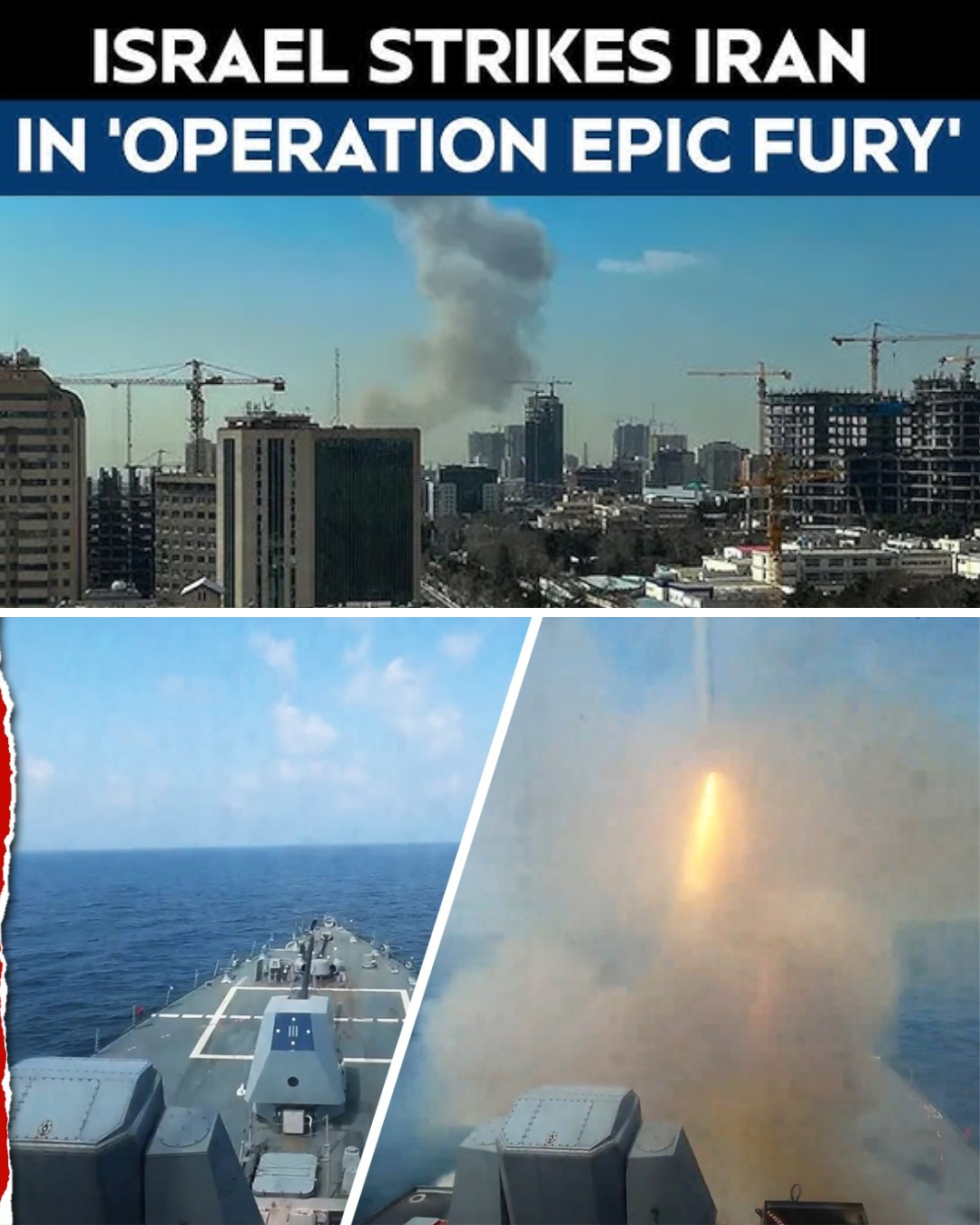
In the early hours of February 28, 2026, the world woke up to a conflict that analysts had long warned was inevitable but few believed would actually materialize. The United States and Israel launched the most significant joint military operation in their shared history — “Operation Epic Fury” on the American side, paired with Israel’s “Operation Roaring Lion” — striking simultaneously across dozens of targets deep inside Iran, from Tehran to Tabriz.
By Sunday morning, March 1, the Iranian government confirmed what the world had already begun to suspect: Supreme Leader Ayatollah Ali Khamenei, who had ruled the Islamic Republic for nearly 37 years, was dead. He was reportedly working in his Tehran office when the strike hit. His daughter, son-in-law, daughter-in-law, and grandchild perished alongside him. The commander-in-chief of the Islamic Revolutionary Guard Corps (IRGC) and Ali Shamkhani, Khamenei’s representative on the Supreme Defense Council, were also confirmed killed in the initial wave of strikes.
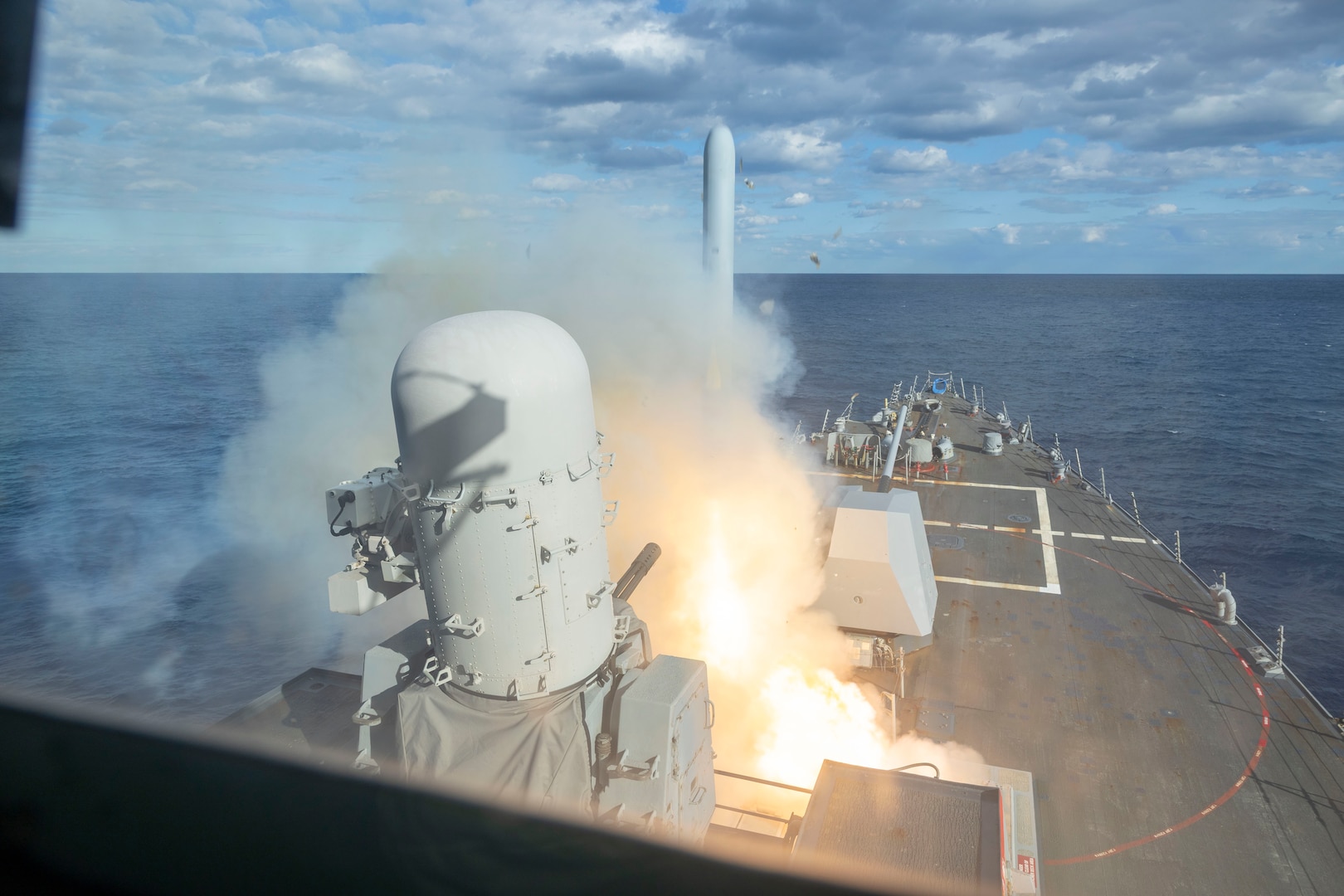
The scope of the operation was staggering. The Israeli Air Force alone deployed approximately 200 fighter jets, releasing hundreds of munitions against roughly 500 targets, systematically dismantling Iran’s missile launchers, naval assets, military headquarters, and nuclear infrastructure. U.S. forces conducted strikes from aircraft carrier groups and bases spread across the broader Middle East, marking a level of military commitment unseen since the 2003 invasion of Iraq.
The operation did not come without warning. Throughout January and February, the White House had issued increasingly explicit ultimatums. The final catalyst came after a third round of nuclear negotiations in Geneva collapsed without progress, and a roughly ten-day deadline Washington issued expired unmet. With diplomacy exhausted — or deliberately short-circuited, as critics argue — the military option was executed.

Iran’s retaliation was immediate and sweeping. The IRGC launched barrages of ballistic missiles and drones toward Israel and at least six Gulf Arab nations hosting U.S. military bases: Bahrain, Qatar, Jordan, Kuwait, Saudi Arabia, and the UAE. CENTCOM reported that American forces successfully intercepted and defended against hundreds of incoming projectiles, though damage was reported at several sites, and at least two fatalities and over 100 injuries were recorded from Iranian counterstrikes.
What makes Operation Epic Fury historically distinct is not merely its scale but its stated objectives. Unlike previous strikes — including the June 2025 operations that targeted three nuclear facilities — this campaign appeared designed for strategic decapitation: eliminating not just weapons programs but the regime’s entire leadership architecture. The White House explicitly encouraged Iranian citizens to “seize control” of their future and overthrow the clerical system that has governed since 1979.
The international response was fractured. Democratic lawmakers in Washington immediately invoked the War Powers Act, condemning the president for launching a major military campaign without congressional authorization. Al Jazeera described the conflict as one that could “rewrite Gulf security calculations.” The Atlantic Council noted that international humanitarian law now applies, adding a legal dimension to an already explosive geopolitical crisis.
Iran’s internet went dark within hours of the strikes beginning — a near-total blackout that cut off its population from the outside world. Within that information vacuum, a provisional leadership council was convened, with senior security official Ali Larijani warning that “secessionist factions” attempting to exploit the chaos would face severe consequences.
The world is now watching a wounded but not defeated Iran — one with pre-delegated missile authority still active, with IRGC factions still operational, and with the Strait of Hormuz potentially within reach of closure. The morning of March 1, 2026 did not end a conflict. It may have only defined its opening chapter.