The Assassination Doctrine: A Precedent the World Cannot Take Back
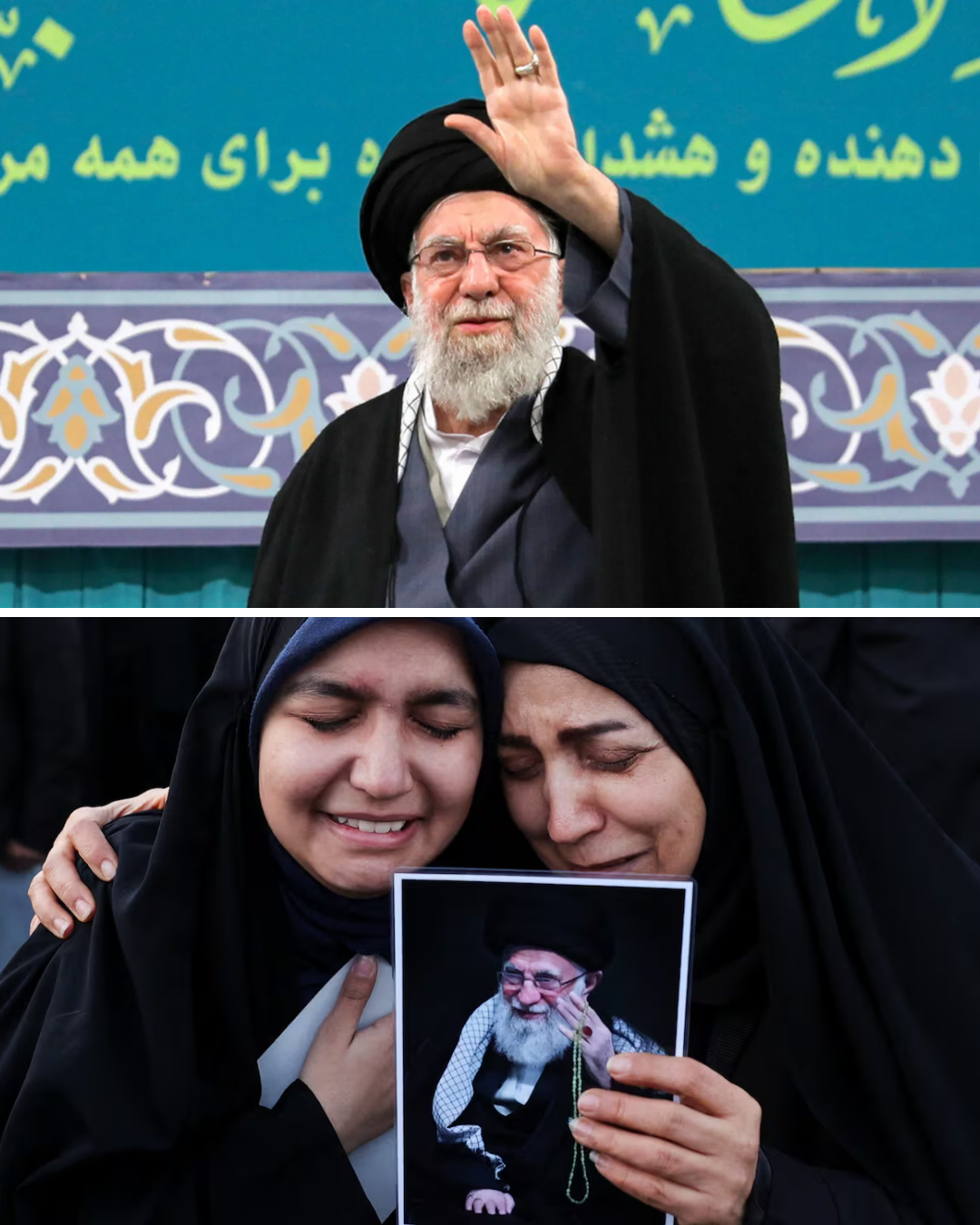
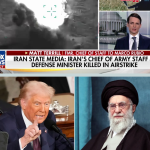
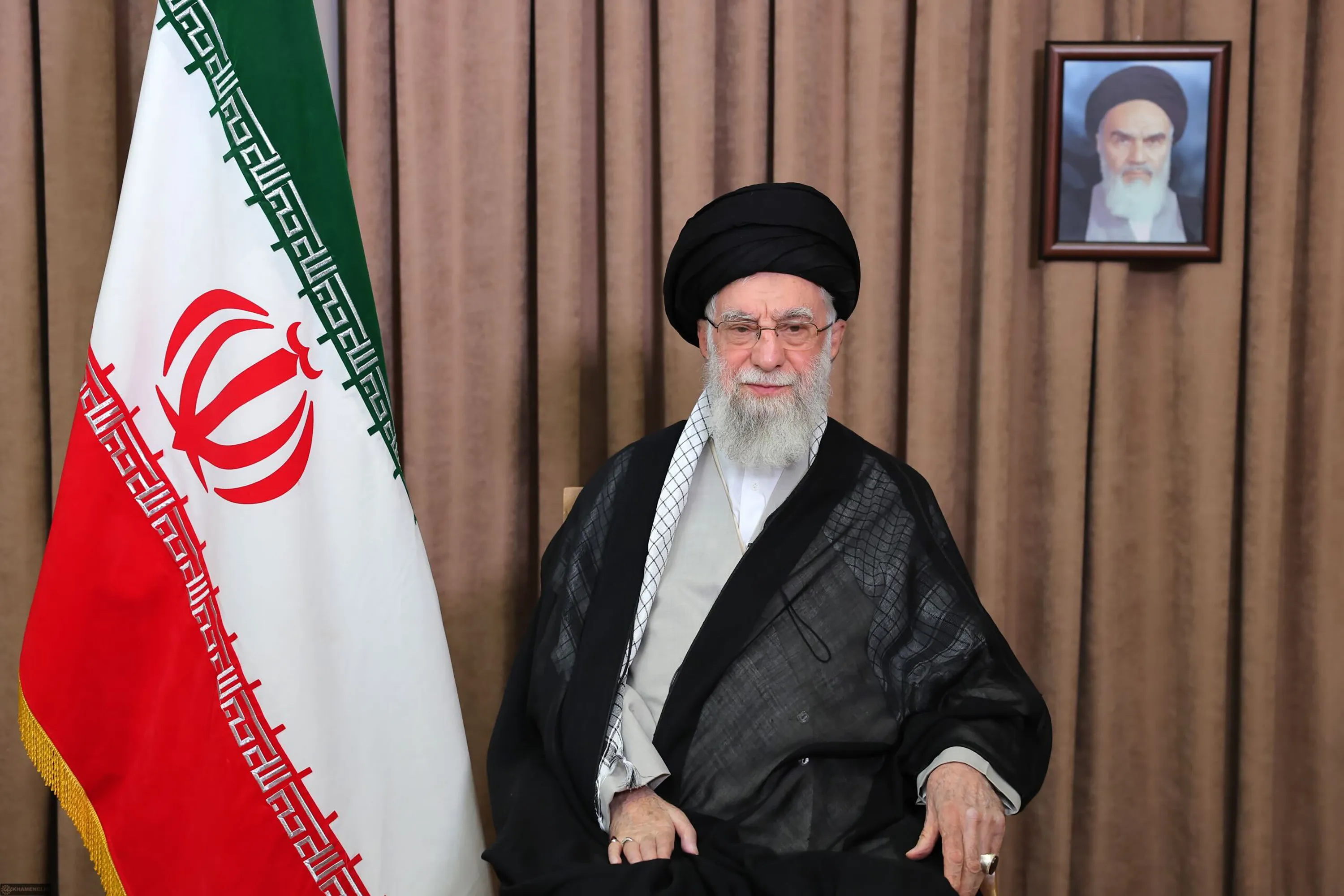
On the morning of February 28, 2026, a U.S.-Israeli military operation killed the sitting head of state of a sovereign nation — a man who, however odious his governance record, held the highest constitutional office in the Islamic Republic of Iran. Ayatollah Ali Khamenei was not a terrorist hiding in a cave. He was the supreme leader of a country of 87 million people, recognized under international law as a sovereign state. His deliberate killing, by the armed forces of two other sovereign states, is a moment that the global order will be grappling with long after the smoke clears over Tehran.
Sky News captured the framing precisely: “The US war against Iran marks a new era of conflict and peril.” The killing of Khamenei sets a precedent — openly, undeniably, without any serious attempt at legal camouflage — that the deliberate assassination of a foreign head of state during armed conflict is now an accepted instrument of U.S. and Israeli military policy.

It is worth being precise about why this is unprecedented. The January 2020 killing of General Qasem Soleimani was the targeted killing of a military commander and designated terrorist — a category with some, if contested, legal precedent in counter-terrorism frameworks. The decapitation of Saddam Hussein’s government in 2003 occurred after a full-scale invasion and the legal dissolution of his government. What happened to Khamenei falls into neither category. It is the killing of a head of state, by foreign military forces, as a deliberate strategic objective — without a declaration of war, without a UN Security Council mandate, and without any prior legal framework that clearly authorizes it.
The Atlantic Council stated directly that “international humanitarian law now applies” to the conflict, which is the legal system’s way of acknowledging that a line has been crossed. Iran has already appealed to the United Nations Security Council, accusing the U.S. and Israel of breaching international law. Whether those appeals gain traction is uncertain — the U.S. holds a permanent Security Council seat with veto power — but the diplomatic framing battle has begun.
What concerns legal scholars and foreign policy realists alike is the precedent effect — the signal this action sends to every state actor that feels threatened by a hostile foreign government. If the United States can designate a sitting supreme leader as a legitimate military target and execute that designation with F-35s, what constrains any other state from applying the same logic to its adversaries? Russia has long argued that Ukrainian leadership constitutes a legitimate military target as commander-in-chief. China’s hawks have argued similarly about Taiwanese leadership. The normative barrier against state-sanctioned leadership assassination was imperfect and contested before February 28. After February 28, it may not exist at all.
Israel’s tactical interests in the operation are clear. The IRGC’s regional proxy network — Hezbollah, Hamas, the Houthis — has posed direct existential threats to Israeli territory. Eliminating the command authority that funds, arms, and directs those networks was a rational military objective. Prime Minister Netanyahu claimed responsibility for the “leadership decapitation strikes” explicitly, while the White House carefully distanced itself from those specific targeting decisions.

But tactical rationality and strategic wisdom are not the same thing. The Middle East that emerges from this conflict — with an Iran that may be more fragmented, more radicalized, and more unpredictable than the one that entered it; with Gulf Arab states permanently exposed as American military infrastructure; with a nuclear precedent set and a diplomatic framework shattered — is not obviously more stable or more secure than the one that existed on February 27.
History’s judgment of Operation Epic Fury will be written not in the next 72 hours but in the next 72 years. And that judgment will depend enormously on what comes next in a Tehran whose streets are silent, whose internet is dark, and whose future is, in the most literal sense, up in the air.