The Geneva Betrayal: Did America Negotiate in Bad Faith With Iran?
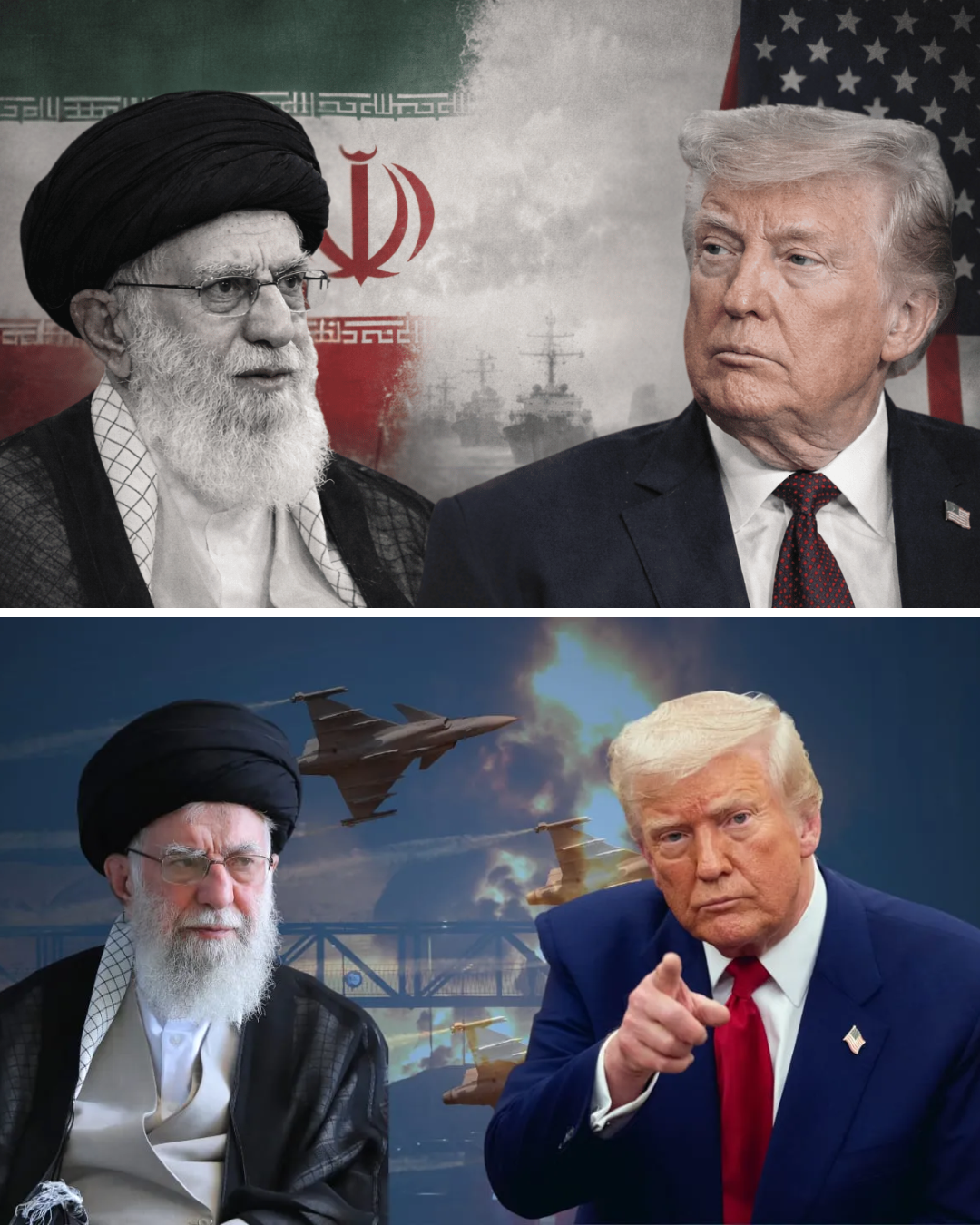
One of the most explosive accusations to emerge from the opening days of the Iran-U.S. war is not a claim about missiles or casualties but about diplomacy — specifically, whether the United States used the Geneva negotiations as a cover while preparing to launch Operation Epic Fury. If true, it would represent one of the most consequential acts of diplomatic deception in modern international relations.
The timeline is damning, at least on its surface. Three rounds of nuclear negotiations between the U.S. and Iran took place in Geneva throughout January and February 2026. The third and final round ended without an agreement, but the Omani government — which had served as a key intermediary and host nation — publicly stated that both sides had agreed to send technical teams to IAEA headquarters the following Monday. That was a specific, operationally concrete commitment: technical experts, a specific venue, a specific day. The U.S.-Israeli strikes commenced the Saturday before that Monday meeting.
Iran’s foreign minister was unequivocal in his response: Washington and Tel Aviv had “exploited ongoing diplomacy to launch military action” and “betrayed every diplomatic principle” that Geneva represented. More broadly, Iran accused the United States of deliberately stringing along the negotiation process — maintaining the appearance of diplomatic engagement while military planning for Operation Epic Fury was already well advanced. Iran pointed out, with considerable bitterness, that additional U.S. sanctions had been imposed on the eve of the final Geneva round — a move Tehran described as designed to ensure negotiations failed.
American officials have firmly rejected the bad-faith characterization. The State Department’s position was that the Geneva process reached a genuine impasse on the fundamental questions of enrichment rights and uranium stockpile disposition. Iran insisted on its right to enrich uranium domestically; the U.S. demanded all enriched material be transferred abroad. Iran offered to dilute its 400-kilogram stockpile of 60% enriched uranium in-country; Washington insisted on its physical removal. “I say no enrichment. Not 20 percent, 30 percent,” the president stated on February 27 — one day before the strikes. Iran’s foreign minister had simultaneously stated that enrichment was “not going to give it up.” The CSIS analysis confirms these were genuinely incompatible bottom lines, not manufactured pretexts.
But CSIS research offers a more nuanced reading. There were signs of flexibility on both sides in the final days. Mohammad Eslami, head of Iran’s Atomic Energy Organization, had publicly floated diluting the enriched uranium stockpile and restoring IAEA access to bombed nuclear sites in exchange for full sanctions relief. The Omani commitment to a technical IAEA meeting suggested genuine follow-through was expected. Whether that flexibility could have produced an agreement will now never be known.
The bad-faith accusation matters for reasons that extend far beyond this specific conflict. If states in possession of nuclear programs conclude that entering into good-faith negotiations with the United States simply creates a window of reduced defensive vigilance that Washington exploits for military action, the calculus for future nuclear diplomacy changes fundamentally. North Korea will have noticed. The message — negotiate with America and get bombed while negotiating — is precisely the lesson that makes future nonproliferation agreements harder to reach.
European allies, led by France and Germany, have been pointedly silent about endorsing the military operation precisely because they were deeply invested in the Geneva process. Several European diplomats have privately expressed the view that the strikes foreclosed a genuine diplomatic opportunity. Their public silence should not be mistaken for private assent.
The question of Geneva’s integrity cannot be resolved without access to the full negotiation record. Those records will eventually emerge. When they do, the verdict on whether America negotiated in good faith may be the most consequential judgment of this conflict.