The 400 Kilograms: The Most Dangerous Nuclear Material Nobody Can Locate
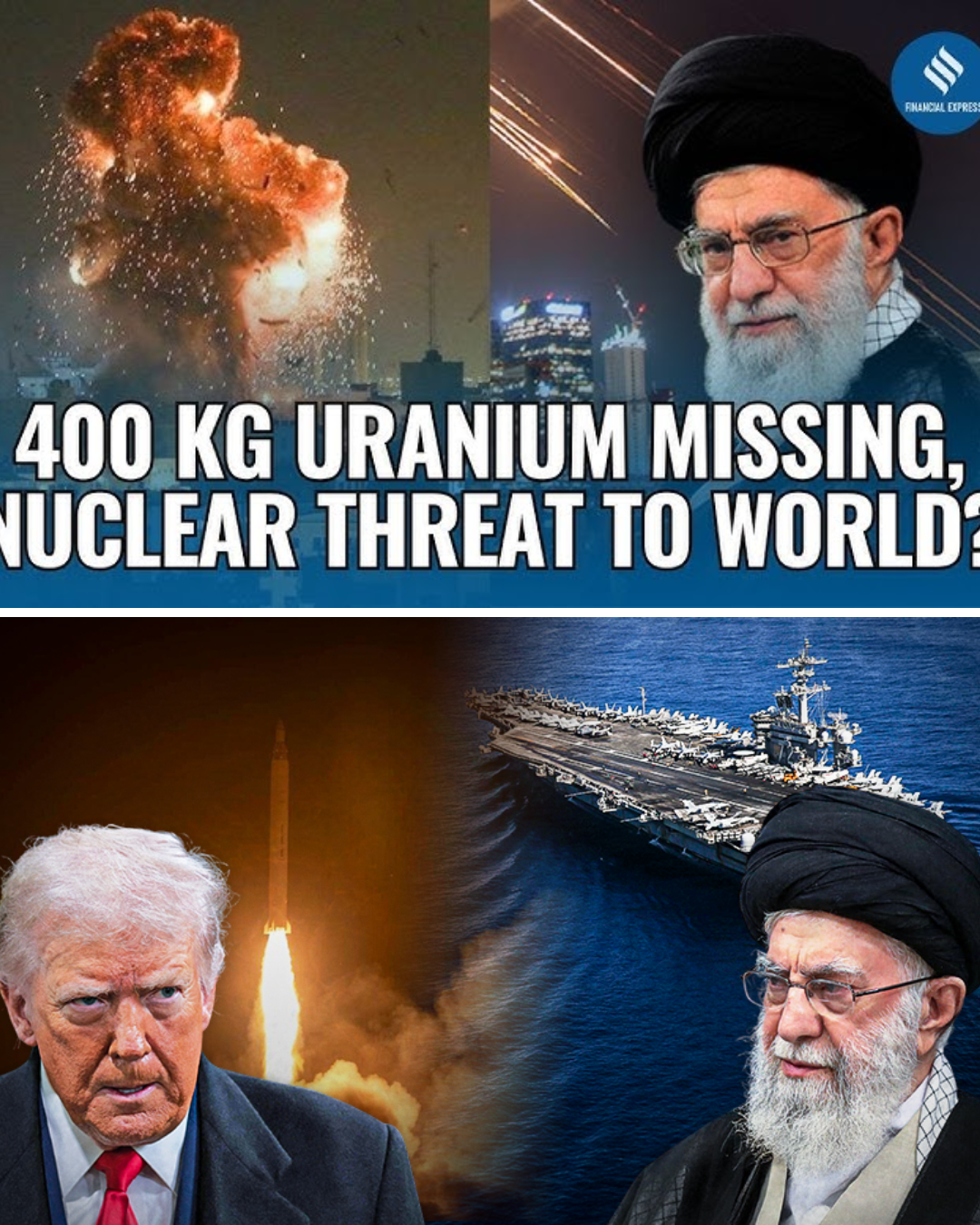
Buried within the strategic complexity of the Iran-U.S. war is a question that may outlast every other aspect of this conflict: where is Iran’s 400-kilogram stockpile of 60% enriched uranium, and who controls it right now?
This is not a hypothetical concern. Iran’s possession of the stockpile was publicly confirmed by the International Atomic Energy Agency in multiple inspection reports over the past two years. 60% enriched uranium is not weapons-grade — that threshold is 90% — but it represents decades of technological investment and a material asset that could be further processed in weeks under the right conditions. The CSIS analysis published on the day of Operation Epic Fury confirmed that the stockpile exists and that “the exact location of that nuclear material remains unknown.”
Unknown. Not classified. Not secret. Unknown.
Operation Midnight Hammer in June 2025 destroyed Iran’s key enrichment facilities at Fordow, Natanz, and Isfahan’s metallurgy complex — the industrial infrastructure through which Iran could produce additional enriched uranium at scale. But it did not, apparently, locate and destroy the existing stockpile. Iran had not made significant efforts to rehabilitate those nuclear sites since the June 2025 strikes — but the 400 kilograms of 60% enriched material was not at those sites, or was moved before the strikes occurred.
Now, with Operation Epic Fury having targeted Iran’s remaining leadership and governmental infrastructure, the question of chain-of-custody for that nuclear material becomes acute. The Atomic Energy Organization of Iran, which formally oversaw the stockpile, has had its leadership killed or scattered. Its Tehran headquarters was reportedly struck in the second day of operations. If the institutional hierarchy responsible for maintaining control over the enriched uranium has been decapitated along with the political and military leadership, what safeguards remain?
CSIS raised the proliferation risk with stark clarity: “If the Atomic Energy Organization of Iran collapses, Iranian nuclear scientists could pose proliferation risks to non-state actors or outside countries interested in proliferation.” This is the nightmare scenario of nuclear security — not a bomb being fired, but enriched material or specialized knowledge leaking into a black market, a non-state network, or a third country seeking to accelerate its own weapons program.
The IAEA is the international institution formally mandated to address this concern, and its director-general has been conspicuously present in media coverage of the crisis, calling for access and monitoring. But IAEA inspectors cannot enter a country actively being bombed. Their ability to account for Iran’s nuclear material depends entirely on a cooperative Iranian government — the very entity whose institutional coherence is currently in question.
There is a haunting historical parallel. When the Soviet Union collapsed in 1991, the sudden dissolution of centralized state authority created the “loose nukes” problem — fissile material, scientists, and equipment potentially available to the highest bidder. The Nunn-Lugar program spent over a decade and billions of dollars attempting to address that vulnerability. Iran’s situation is different in scale but similar in structure: rapid state collapse creating a window of reduced oversight over dangerous materials.
Operation Epic Fury may have significantly reduced the risk of short-term Iranian nuclear proliferation at industrial scale, while inadvertently creating a more diffuse and harder-to-manage proliferation risk. That question demands an answer that no bomb can provide.