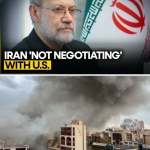
Missile Fire and Urban Smoke Mark Escalation Between Iran and the U.S.
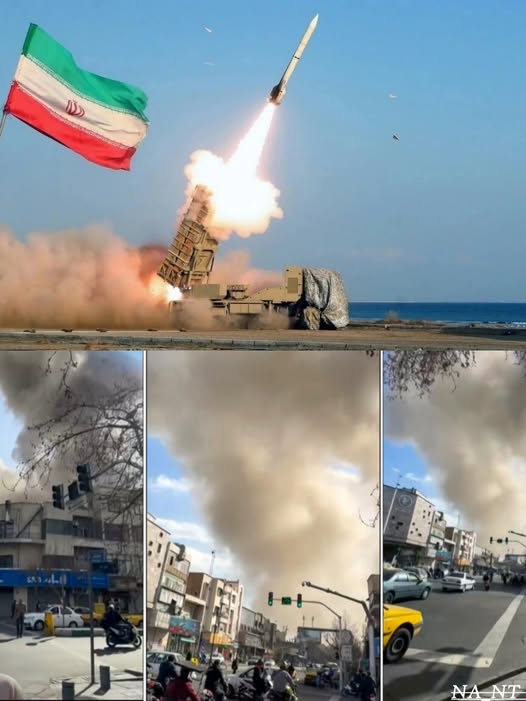
Rising tensions between Iran and the United States have erupted into scenes that now dominate global headlines: missiles streaking across the sky, air defense systems engaging overhead, and city skylines clouded with smoke.
Images circulating worldwide show rockets launched amid national flags and defensive batteries firing back, while civilians navigate streets filled with uncertainty and fear. What unfolds is not only a military exchange but a deeply human crisis — alarms sounding in neighborhoods, families rushing to shelters, and communities bracing for what may come next.
The confrontation reflects a broader geopolitical struggle that has simmered for years, now spilling into open, direct exchanges. Each strike carries strategic calculation, yet its consequences ripple through everyday life — affecting markets, diplomacy, regional alliances, and the psychological state of millions.
World leaders continue urging restraint, warning that further escalation could destabilize an already fragile region. Analysts note that rapid cycles of attack and retaliation leave little space for diplomacy, yet diplomatic channels remain critical to preventing a wider war.
As global attention fixes on every development, the world watches closely. Beyond the missiles and headlines lies a pressing question: can tensions be contained — or is this the opening chapter of a far larger confrontation?