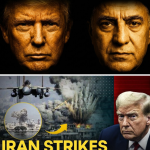
Iran’s Supreme Leader Killed in Reported U.S.–Israeli Strikes
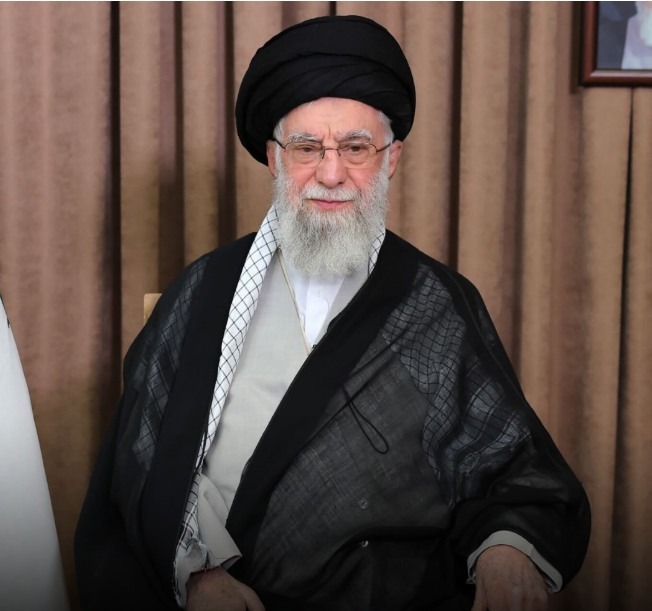
In a dramatic and unprecedented development, Ali Khamenei, the Supreme Leader of Iran, has reportedly been killed following coordinated military strikes attributed to the United States and Israel.
For more than three decades, Khamenei stood as one of the most powerful and influential figures in the Middle East, shaping Iran’s domestic policies and its strategic posture across the region. His reported death represents a historic rupture in Iran’s political structure and could mark the beginning of a volatile new phase in regional geopolitics.
The strikes that allegedly led to his death are said to have targeted high-level military and leadership sites, escalating tensions that had already been intensifying. If confirmed, this event would not only transform Iran’s internal power dynamics but also carry significant consequences for diplomatic relations, military stability, and global security.
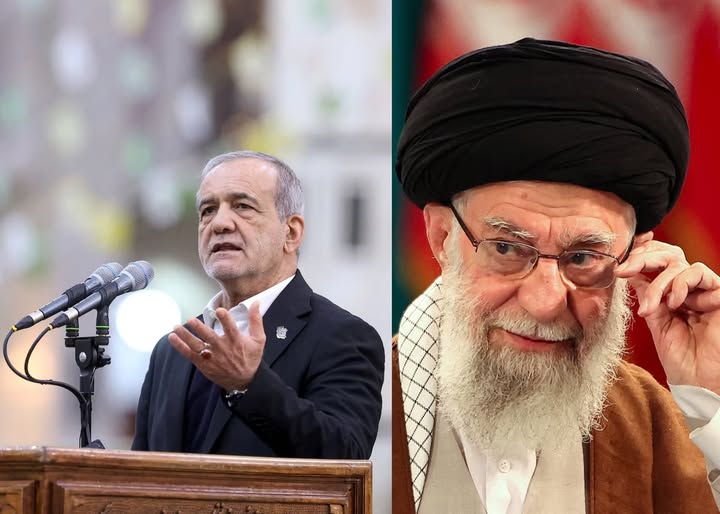
Governments around the world are closely monitoring the situation, urging restraint amid fears of broader confrontation. Within Iran, attention now turns to the constitutional succession process and the leadership bodies responsible for navigating this critical transition.
As uncertainty spreads across the region, one reality is clear: the Middle East has entered a defining moment, and the decisions made in the coming days may shape its future for years to come.