Jeffrey Epstein: Power, Secrecy, and the Scandal That Shook the Elite
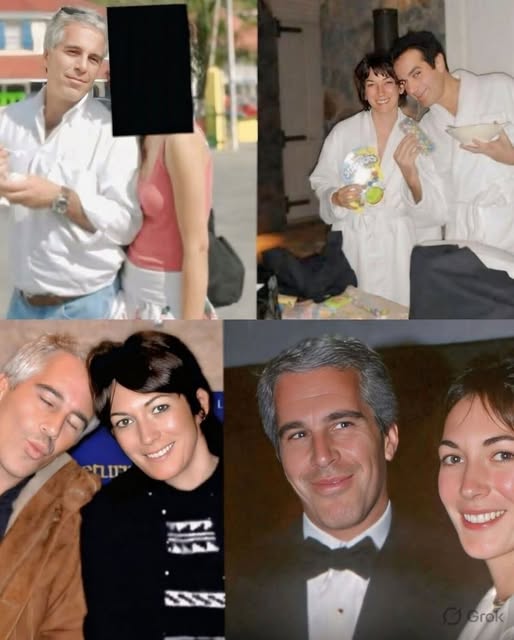
In the shadows of wealth and influence, the name Jeffrey Epstein became synonymous with secrecy, scandal, and unanswered questions.
For years, Epstein moved within circles of extraordinary privilege — surrounded by political leaders, celebrities, academics, and royalty. His lifestyle projected exclusivity and power: private jets, luxury properties, elite connections. But behind that polished façade, a far darker reality was unfolding.
In 2019, Epstein was arrested on federal charges related to the sex trafficking of minors, reigniting scrutiny over earlier allegations and a controversial plea deal more than a decade prior. The case exposed troubling questions about how someone with such serious accusations had continued operating for years while maintaining relationships with high-profile figures.
His death in a New York jail cell later that year — officially ruled a suicide — only deepened public suspicion and fueled global debate. Many questioned how such a high-profile detainee could die while in federal custody, giving rise to widespread speculation and conspiracy theories. Investigations cited systemic failures and negligence, but for many observers, doubts lingered.
The fallout rippled far beyond one individual. Associates faced intense public scrutiny. Institutions were pressured to answer for past inaction. Survivors stepped forward, demanding accountability and recognition of the harm they endured.
The Epstein saga became more than a criminal case. It exposed the uncomfortable intersection of money, power, influence, and vulnerability — and forced a reckoning about how elite networks can shield misconduct.
Years later, the name still carries weight — not just as a symbol of scandal, but as a reminder of the importance of transparency, justice, and protection for those without power in rooms dominated by it.