153 Children Dead. Nobody Is Taking Responsibility. The World Is Watching.
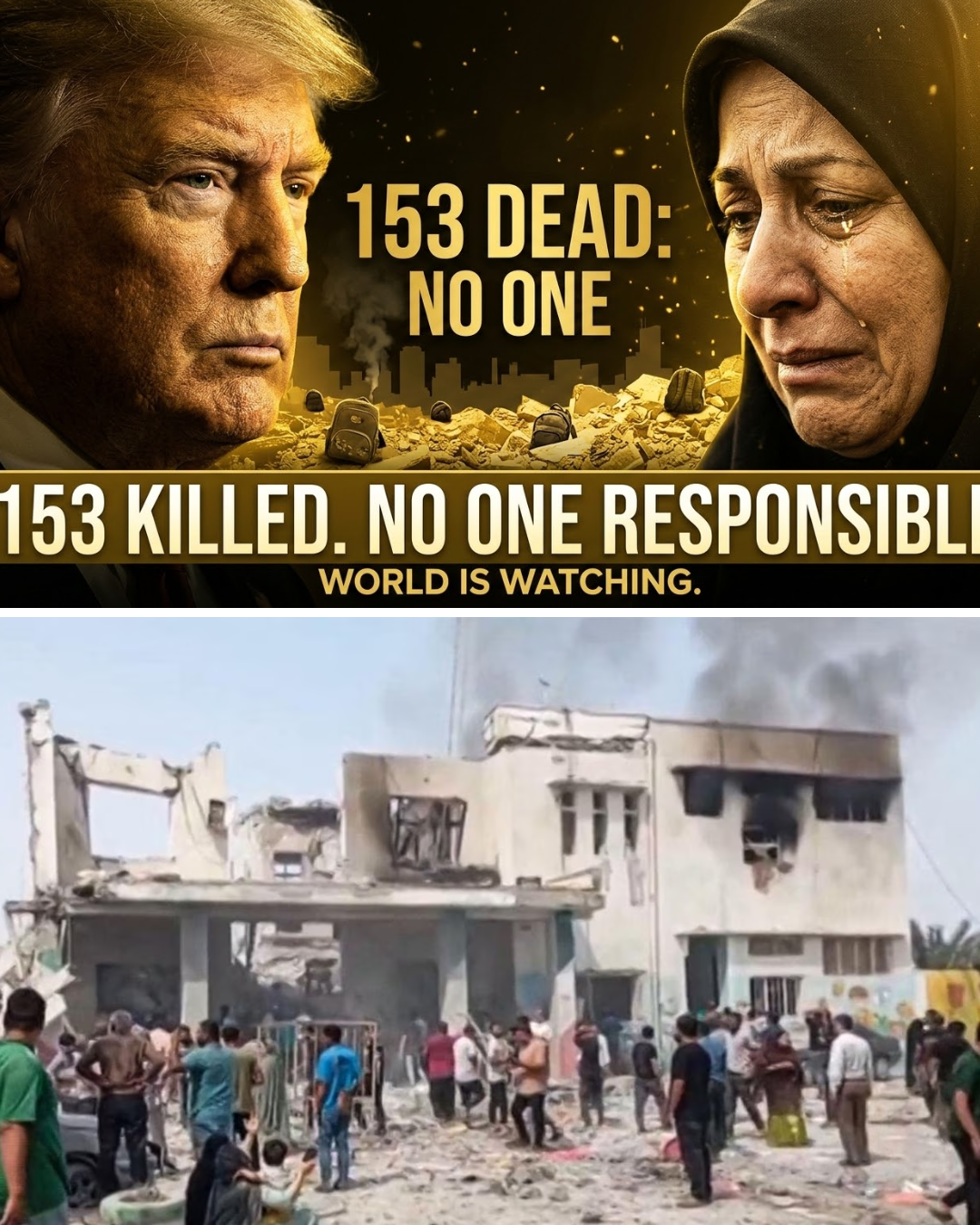
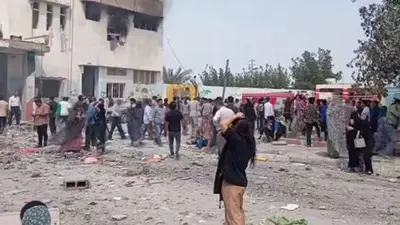
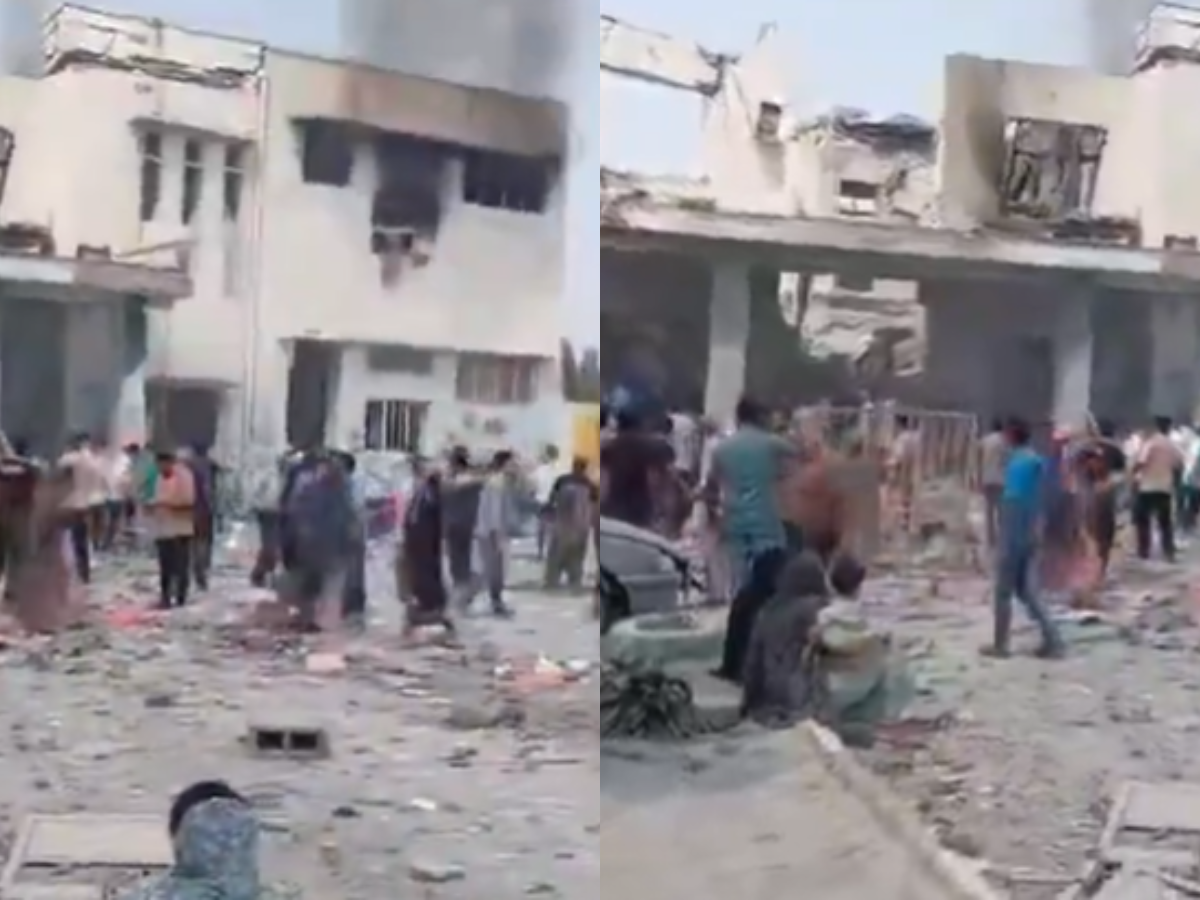
MINAB, HORMOZGAN PROVINCE, IRAN — In the town of Minab in southern Iran, the Sharah Taybeh Girls’ Elementary School no longer exists. What remains is a field of concrete rubble, scattered backpacks, and the unbearable silence of a rescue operation that found fewer survivors with every passing hour.
By Sunday morning, Iranian health officials had confirmed at least 153 dead — the vast majority of them girls between the ages of 6 and 14. Another 95 were reported injured. Iranian state media described scenes of rescue workers pulling tiny bodies from beneath collapsed classroom walls. It is, by any calculation, the single deadliest strike of the entire US-Israel campaign against Iran.
And no one is claiming responsibility.

The United States military’s Central Command (CENTCOM) stated only that it was “investigating the reports.” The Israel Defense Forces (IDF) said it was “not aware” of any of its operations in the Minab area. This triangulation of denial — both parties refusing to confirm or deny, while launching a joint campaign against a sovereign nation — has become the defining moral grotesque of modern warfare: precision weaponry operated by states that disclaim their own precision when the optics become catastrophic.
Iran’s government was unambiguous in its attribution. Iranian Foreign Minister Abbas Araghchi formally invoked Iran’s “right to self-defense” before the UN Security Council, specifically citing the Minab school as evidence of deliberate targeting of civilian infrastructure.
But here is the context that both sides are weaponizing: the Sharah Taybeh school was located in proximity to an Islamic Revolutionary Guard Corps (IRGC) base — a base that has been a target of previous strikes. The Pentagon’s doctrine of “military necessity” permits strikes on dual-use or proximate military sites, even when civilian casualties are foreseeable. International humanitarian law, by contrast, demands proportionality — that the anticipated civilian harm must not be excessive relative to the concrete military advantage expected.
By any honest reading of that principle, 153 dead children obliterates the proportionality threshold.
This incident is already escalating toward an International Criminal Court referral. Human Rights Watch and Amnesty International have both released preliminary statements calling for an independent investigation. Several European nations that had remained officially neutral — Germany, France, Italy — issued joint communiqués expressing “grave concern” over civilian casualties.
The deeper, more destabilizing question is one of narrative control. Iran has already distributed footage of the school ruins across state and social media, framing it as deliberate genocide against children. That framing — regardless of its accuracy — resonates viscerally across the Global South, the Arab world, and among Muslim-majority populations from Indonesia to Morocco. The United States may win every military objective of Operation Epic Fury and still lose the war of global opinion on the steps of a destroyed schoolyard in Minab.
For the Pentagon, the school strike is a potential war crimes liability. For Tehran, it is perhaps the most powerful propaganda asset the regime has generated since the Iran hostage crisis. For the 153 families in Minab, it is simply the end of the world.