Iran’s Supreme Leader has d𝚒𝚎d Following Military Attacks by The US and Israel, and World Leaders Warn of The Risk Of Escalation
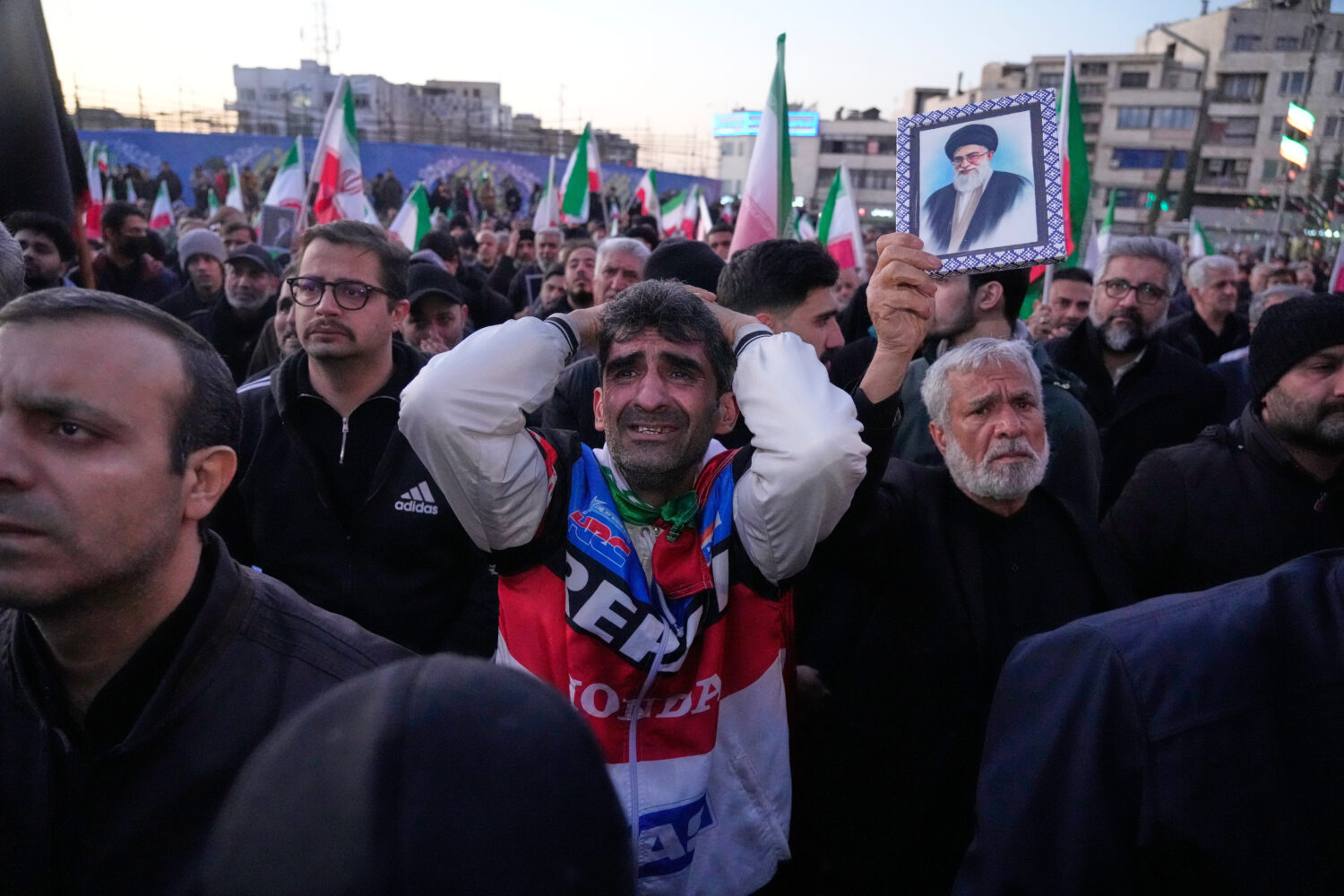
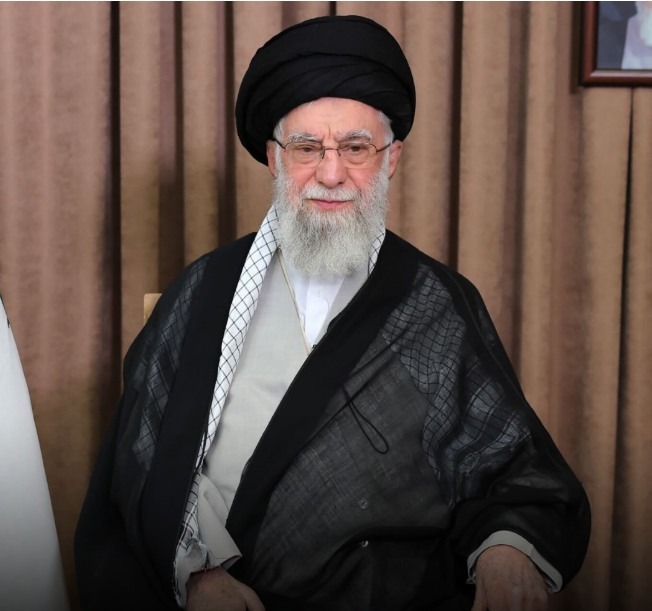
International observers are closely monitoring developments following reports of a large-scale coordinated military operation involving the United States and Israel that targeted multiple sites across Iran, including a strike that Iranian state media claims resulted in the death of Supreme Leader Ayatollah Ali Khamenei.
According to early accounts circulating through regional outlets, the operation involved extensive aerial activity and precision strikes aimed at strategic infrastructure. U.S. officials reportedly described their involvement as part of an operation focused on military facilities and weapons-related installations, while Israeli leadership characterized the mission as a coordinated security effort developed over several months.
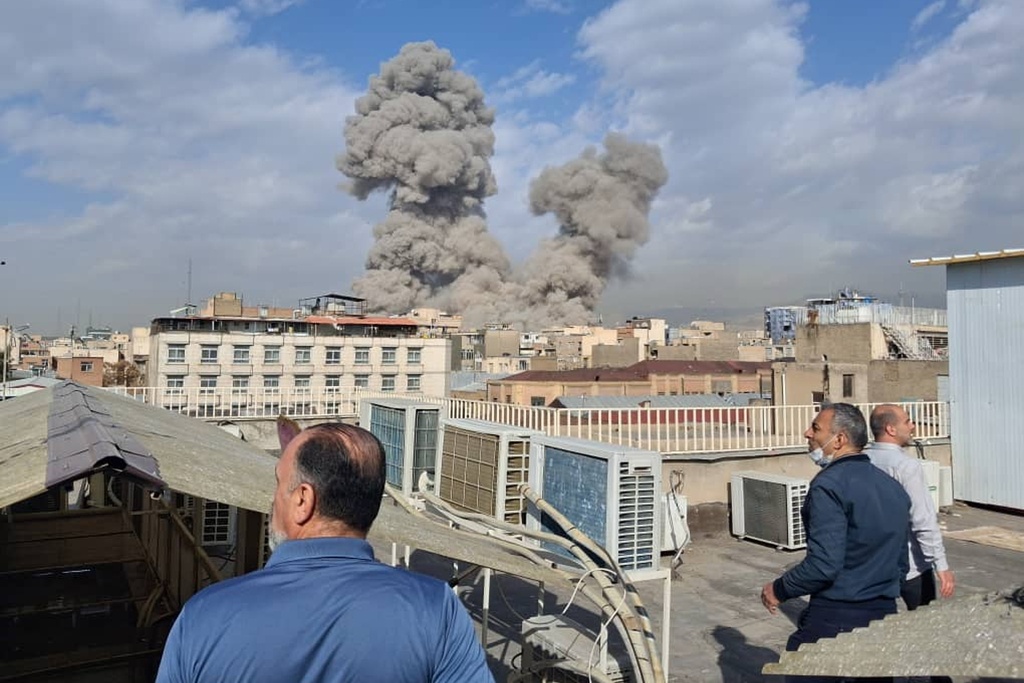
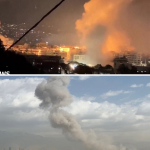
The reported strike on a fortified compound in Tehran has drawn particular global attention. Footage shared on social media appears to show significant structural damage in the area, though independent verification remains limited. Iranian authorities have yet to release a comprehensive public briefing confirming leadership status, adding to uncertainty surrounding the full scope of events.
Former U.S. President Donald Trump addressed the situation in a public post, confirming what he described as a successful operation. The phrasing of his statement emphasized decisiveness and coordination, signaling that the move was intended to demonstrate strategic capability. Analysts note that such language serves not only to inform but also to project confidence and deterrence to international audiences.
Meanwhile, Israeli Prime Minister Benjamin Netanyahu publicly praised the operation, calling it a significant milestone achieved through close collaboration. Experts suggest that statements of this nature are designed to reinforce alliance unity while shaping global perception of operational control and planning. The emphasis on months of preparation underscores the strategic depth attributed to the mission.
Security analysts caution that the immediate focus now shifts from the strike itself to its broader consequences. Large-scale military actions of this magnitude often trigger ripple effects across energy markets, regional alliances, and international diplomacy channels. Shipping routes in the Persian Gulf, global oil prices, and cross-border security conditions are already being closely evaluated by financial and defense experts.

Humanitarian organizations have also called for restraint and de-escalation, emphasizing the need to protect civilians and prevent further instability. Hospitals and emergency services in affected regions are reportedly on high alert as authorities assess damage and casualties.
While the long-term geopolitical implications remain uncertain, specialists in international relations suggest several possible outcomes. These include increased regional security measures, expanded diplomatic engagement behind closed doors, and intensified cyber and economic responses rather than immediate conventional military escalation.
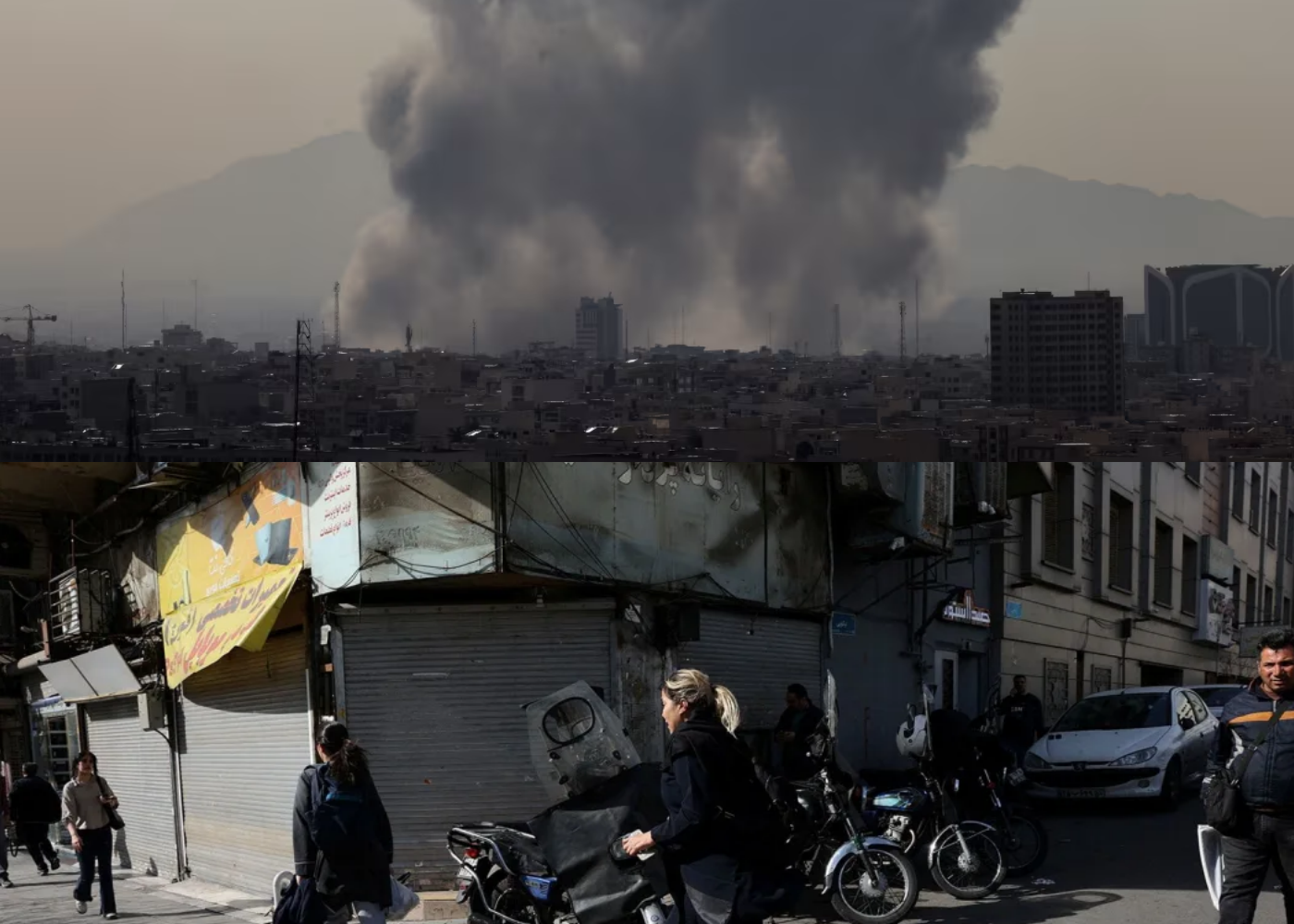
One regional security analyst noted, “When events of this scale occur, the global system doesn’t just react militarily. It reacts economically, diplomatically, and psychologically. The narrative that follows can be as impactful as the operation itself.”
At this stage, confirmation from multiple independent sources is still developing. Governments around the world are urging calm while gathering verified intelligence. Diplomatic channels remain active as international leaders assess how to prevent further destabilization.
As the situation evolves, global markets, defense institutions, and humanitarian agencies continue to monitor developments. The coming days are expected to clarify the immediate impact and shape the next chapter in regional stability efforts.