While America Burns Through Its Military Budget, Beijing and Moscow Count Their Gains
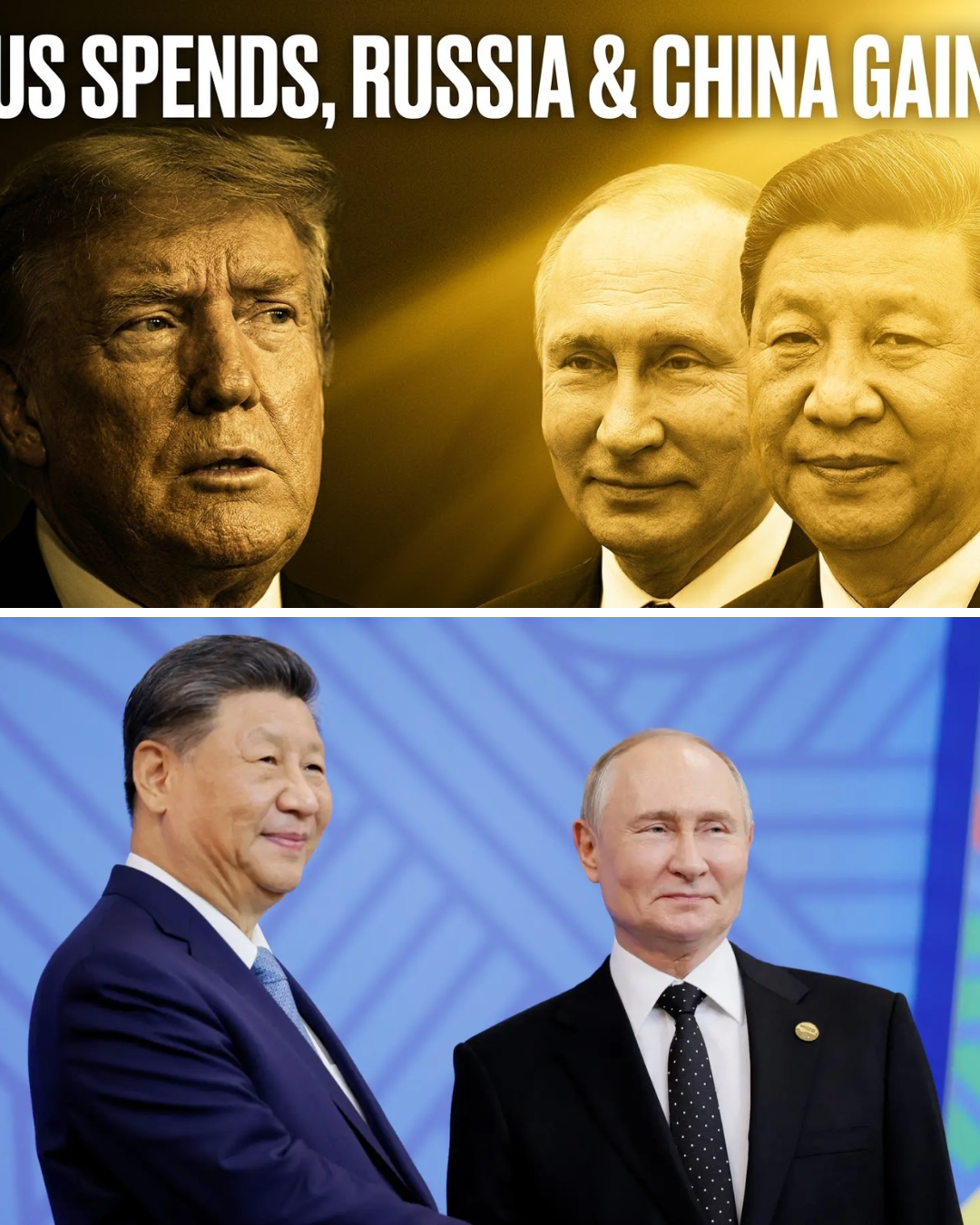
BEIJING / MOSCOW — Neither China nor Russia fired a single missile on March 1, 2026. Neither deployed a soldier, scrambled a jet, or activated a naval asset in support of Iran. And yet, as Operation Epic Fury enters its third day and oil prices spike toward $120 per barrel, both nations find themselves in a position of remarkable strategic advantage — achieved entirely at America’s expense.
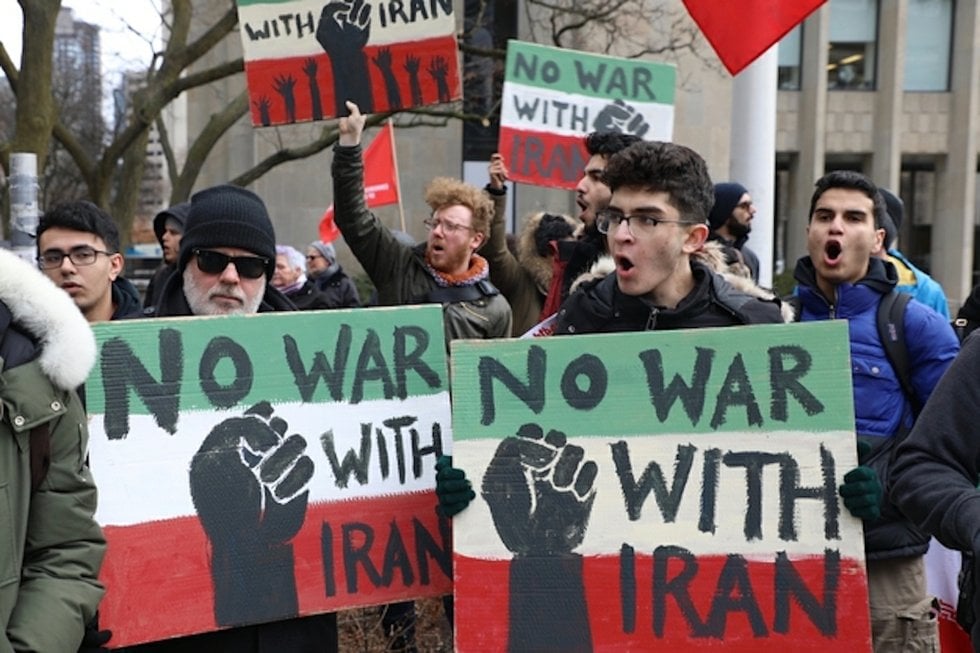
China’s Foreign Ministry issued a carefully worded statement calling for “restraint on all sides” and demanding an emergency UN Security Council session. Moscow echoed the language almost verbatim. Both nations know that any formal condemnation of American military action would be vetoed by Washington in the Security Council — rendering their diplomatic protests toothless by design and enormously useful as propaganda.
The strategic calculus for Beijing is straightforward and brutal. China is Iran’s largest oil customer and has invested heavily in Iranian infrastructure under the 25-year cooperation agreement signed in 2021. A prolonged US military campaign in Iran disrupts Chinese energy supply chains and triggers oil price spikes that increase Beijing’s import costs — in the short term. But in the medium term, a weakened Iran that emerges from this conflict will be even more economically dependent on China than before, giving Beijing leverage over a nation sitting astride the Persian Gulf.
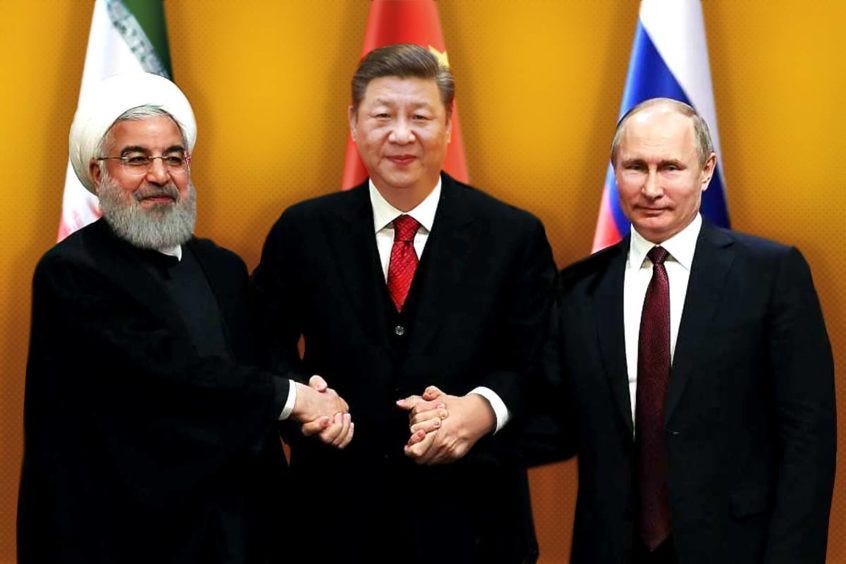
For Russia, the benefits are more immediate. Every day that American military and diplomatic attention is consumed by Iran is a day that Ukraine, Moldova, and Eastern European NATO allies receive marginally less focused American attention. The correlation between American military adventurism in the Middle East and Russian military opportunism in Europe is not coincidental — it is a pattern that has repeated itself since the 1990s.
CNBC’s geopolitical analysts noted Sunday that “experts cautioned these strikes might represent the beginning of a prolonged military initiative aimed at dismantling the Iranian government, with the US striving to establish control over a crucial oil-producing region.” That framing — American control of oil — is precisely the narrative that China and Russia are amplifying across the Global South, in African capitals, in Southeast Asian forums, and on social media platforms that operate beyond American content moderation.
The war in Iran may be America’s to fight. But the peace — and who shapes it — may belong to those who never fired a shot.