Khamenei Killed the Revolution That Was Already Killing Him
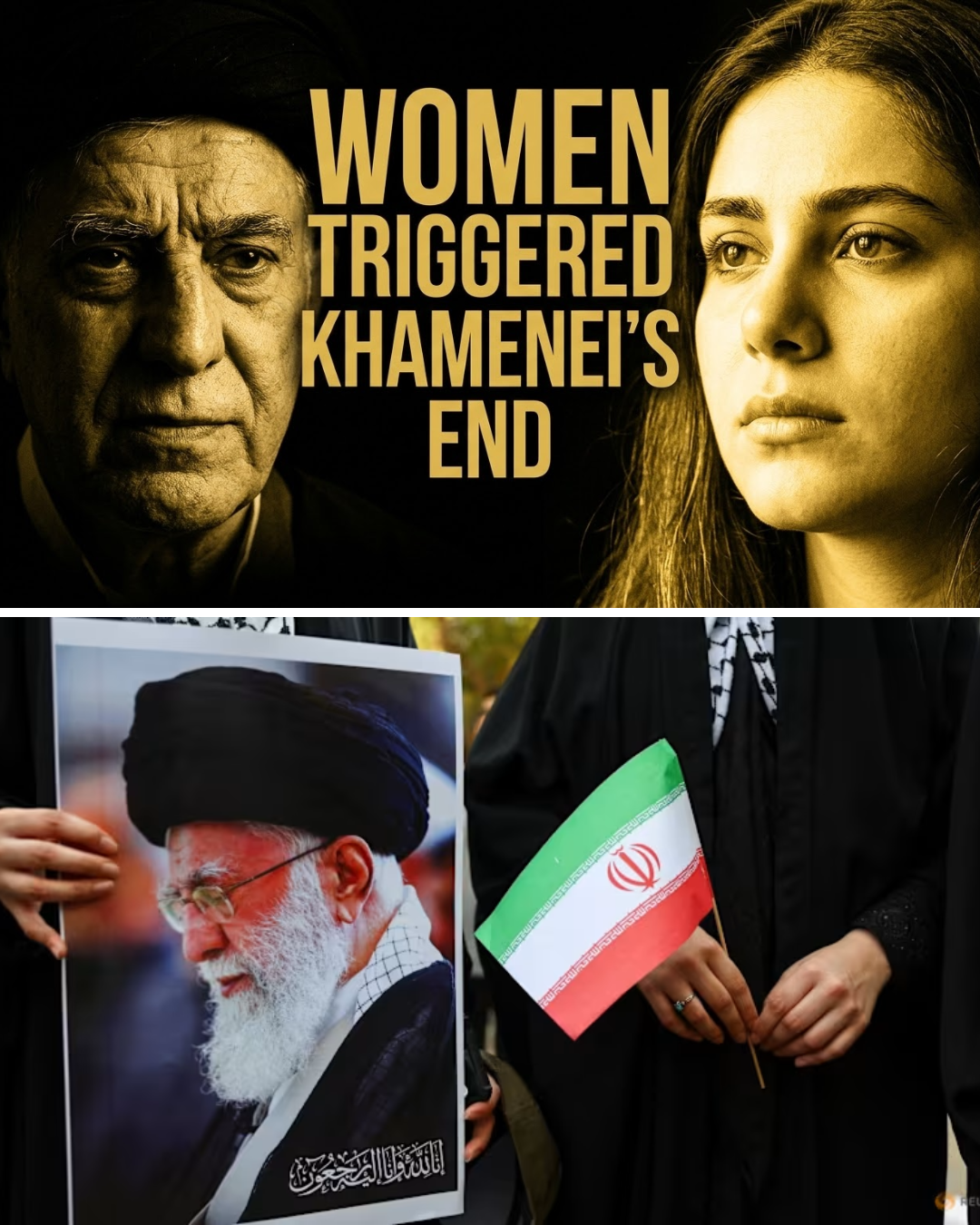
TEHRAN — There is a profound and terrible irony coiled at the heart of Operation Epic Fury: the man who spent four decades imprisoning, torturing, and executing Iranian women who dared to remove their hijabs in public was himself removed from power partly because of them.
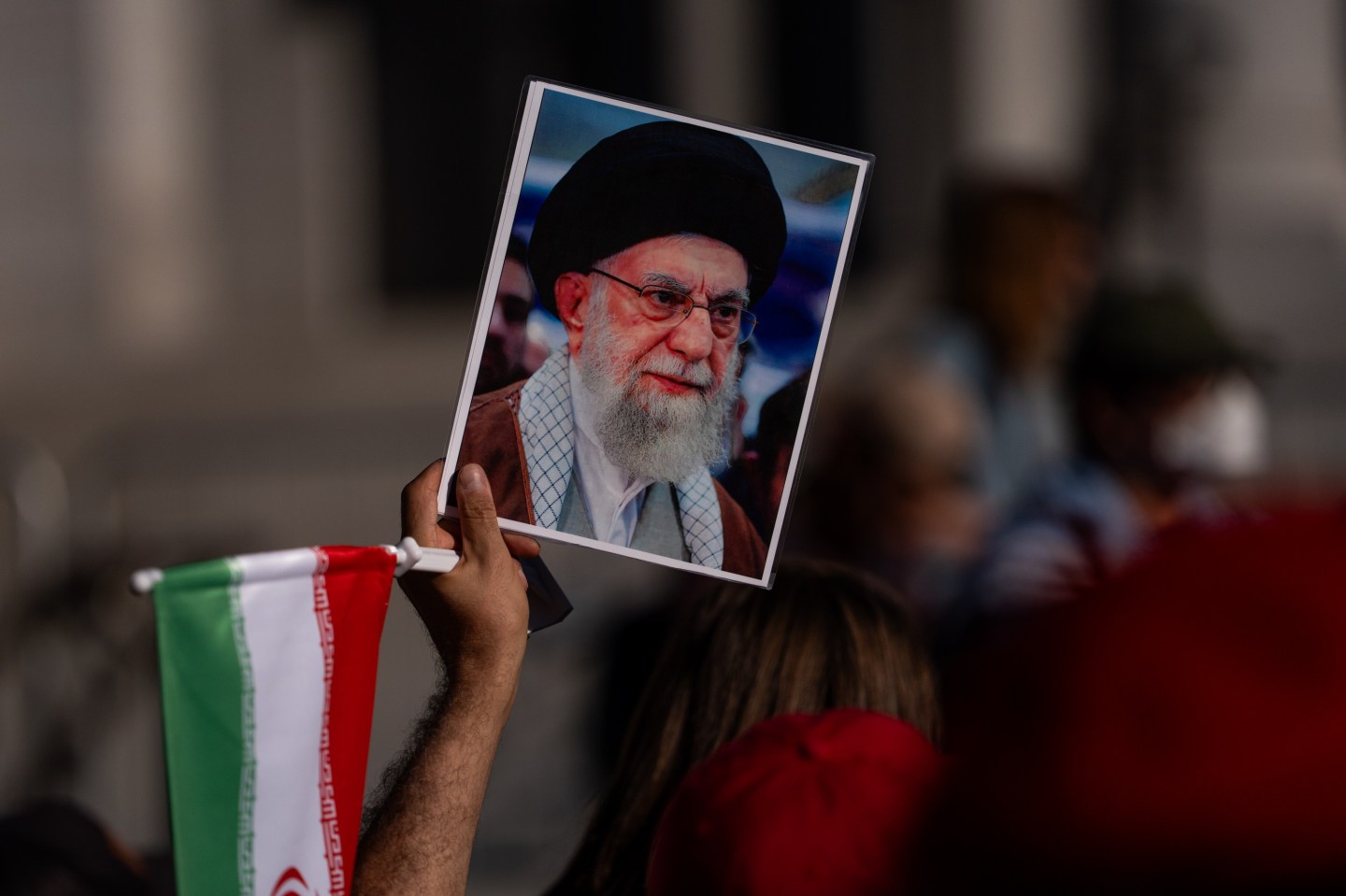
The 2025–2026 Iranian protests — the largest sustained civil unrest in the Islamic Republic’s history — were ignited by the same moral fury that drove the 2022 “Woman, Life, Freedom” movement. Young Iranian women, educated, connected, and furious, flooded the streets of Tehran, Mashhad, Isfahan, and Ahvaz. The regime’s response was characteristically brutal: mass arrests, internet blackouts, live ammunition, and executions that ran into the hundreds.
It was this internal instability — a regime visibly struggling to hold its own population — that US officials cited as one of the contributing factors in the decision to escalate military pressure. The logic was cynical but coldly rational: a regime engaged in a brutal domestic war against its own citizens is simultaneously more vulnerable to external pressure and less capable of managing a sophisticated military defense.
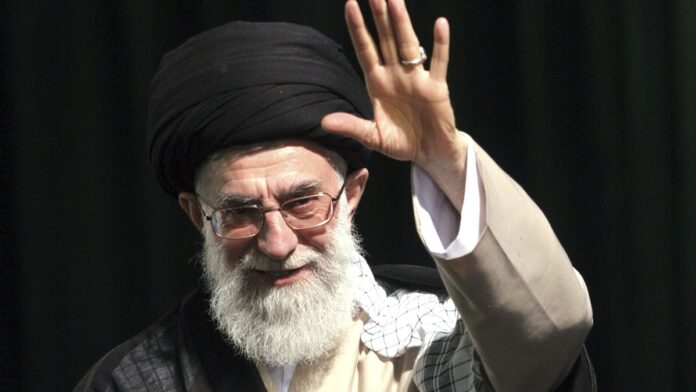
Iranian Foreign Minister Araghchi, addressing the UN Security Council amid the strikes, framed Iran’s retaliation as national self-defense. But within Iran itself, the reaction to the strikes was far more complex. Social media posts from inside Iran — circumventing censorship through VPNs — showed a divided population: some celebrating Khamenei’s death, some mourning him, many simply terrified, sheltering in basements as explosions lit the Tehran skyline.
The question that Iranian feminists, reformists, and dissidents in exile are now asking with desperate urgency is: does this war liberate them, or does it doom them? American bombs falling on Tehran could just as easily unite Iranian nationalist sentiment against a foreign invader as they could catalyze the democratic revolution that the West claims to support. The historical record is not encouraging. External military intervention has rarely, if ever, produced the democratic outcomes that its architects promised.

What the women of Iran built — through courage, sacrifice, and decades of resistance — deserves better than to be resolved by a four-week American air campaign.