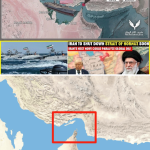
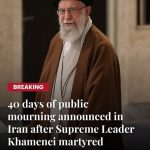
Iran Hit 27 American Bases in Six Waves. Washington Called It “Contained.” The IRGC Called It “Just the Beginning.”
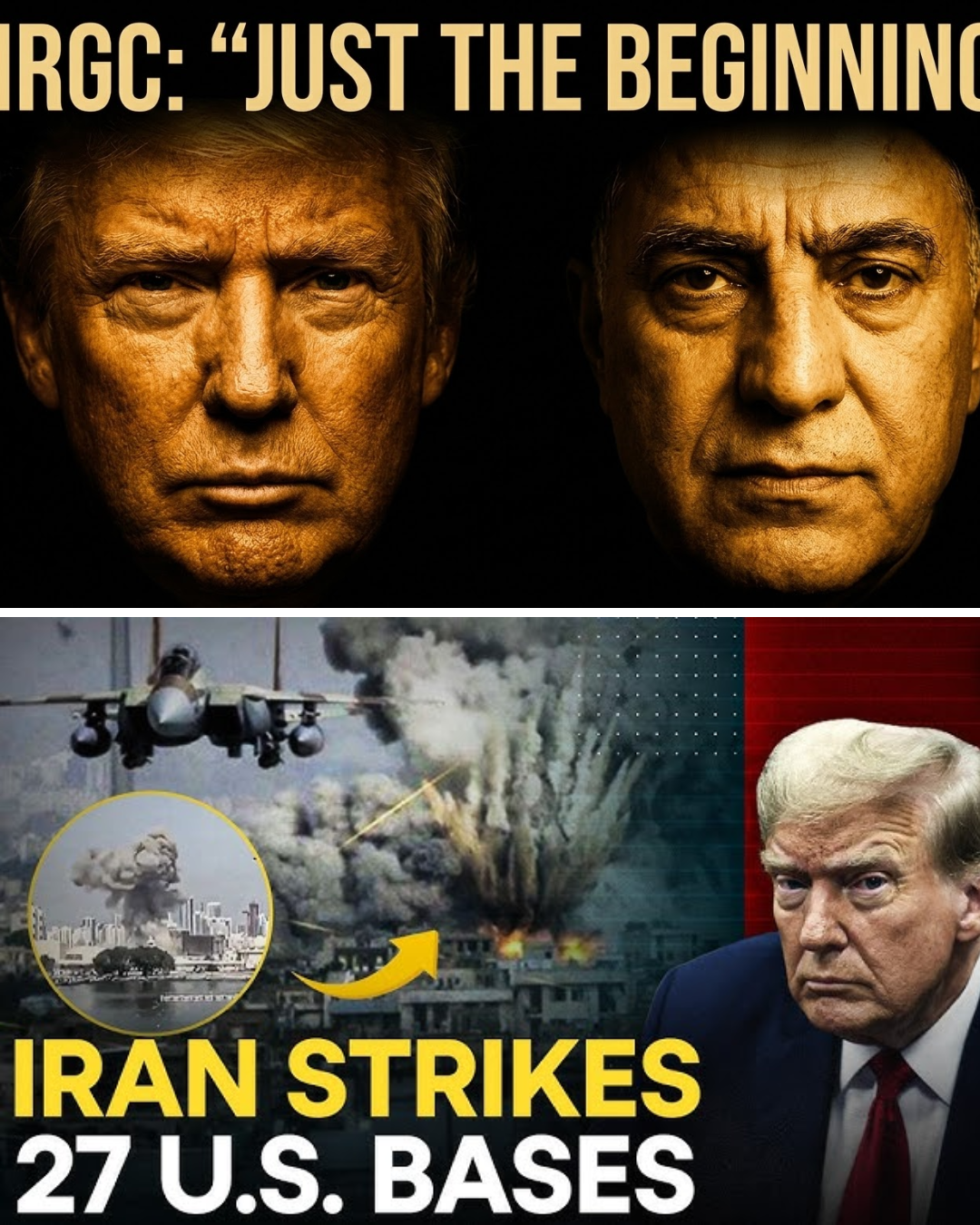
MANAMA / DOHA / ABU DHABI — When the Islamic Revolutionary Guard Corps launched its first retaliatory wave against American military installations in the Persian Gulf, Pentagon spokespersons reached for a familiar word: “contained.” By the time the sixth wave hit — striking 27 American military bases simultaneously across Bahrain, Kuwait, Qatar, the UAE, Jordan, Saudi Arabia, and Iraq — that word had been quietly retired from official briefings.

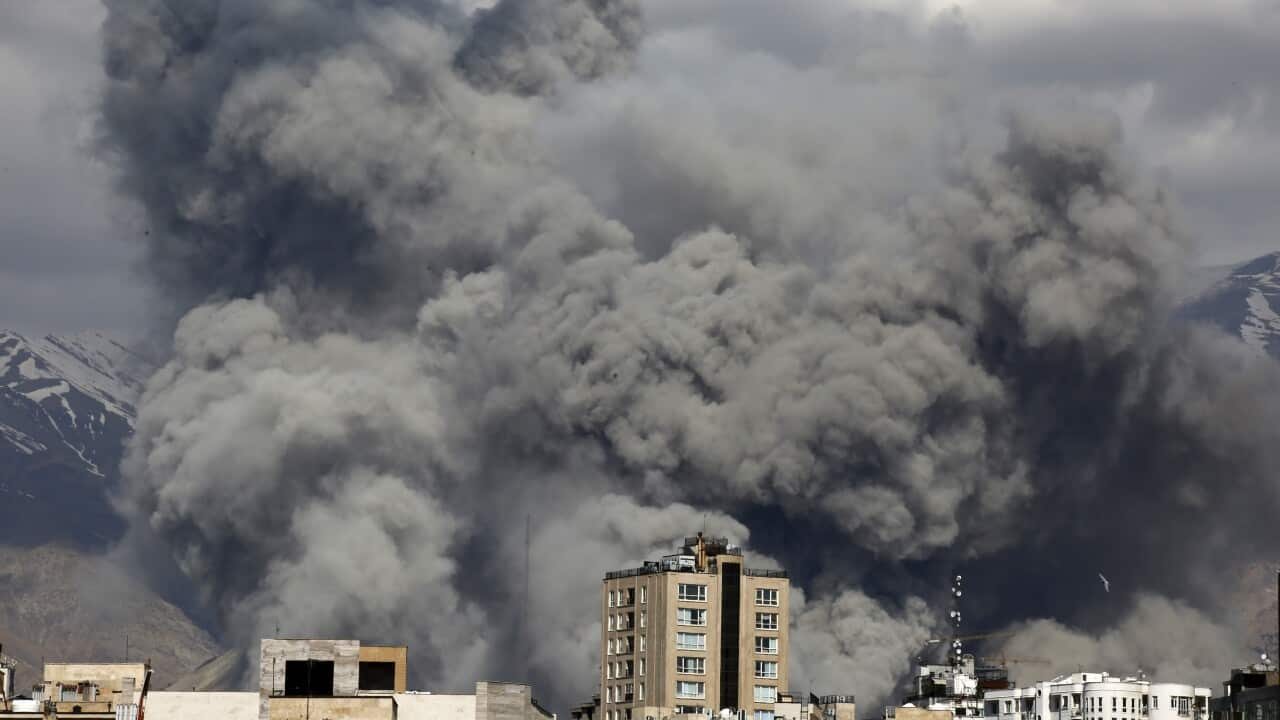
Let the scale of what happened between February 28 and March 1, 2026 be stated without euphemism: Iran launched six coordinated waves of ballistic missiles, cruise missiles, and attack drones against American military infrastructure across an entire region in less than 24 hours. Twenty-seven bases were targeted in the sixth wave alone. An American ammunition ship was disabled by Iranian drone strikes. A Patriot air defense battery in Kuwait was filmed in real time failing to intercept an incoming missile — the footage spread across global social media within minutes, raising questions that no amount of official reassurance could easily suppress.
The IRGC’s own statement after the sixth wave was not the language of a force exhausted by retaliation. It was the language of escalation: “The armed forces of the Islamic Republic of Iran will not allow the alarm sirens to be silenced in occupied territories and American bases, and will take a different harsh step of retaliation through a series of successive and painful strikes.”
Then the IRGC added four words that reframed the entire military situation: “This operation will continue relentlessly.”

The strategic logic behind six waves — rather than one massive retaliatory salvo — is deliberate and sophisticated. Each wave serves a dual purpose: operationally, it forces American and allied air defense systems to continuously cycle their interceptor magazines, degrading stockpile depth with every engagement; psychologically, it communicates to the American public, to Gulf populations, and to global financial markets that this is not a single dramatic gesture but a sustained campaign of attrition. Bloomberg analysts warned that American interceptor stocks could be depleted within days at the current rate of engagements.
This is the asymmetric math that Pentagon war-gamers have privately dreaded for years. The United States military is, by every conventional metric, the most powerful armed force in human history. But an air defense system is only as effective as its interceptor inventory. Each missile Iran launches costs anywhere from $100,000 to $2 million to produce. Each Patriot PAC-3 interceptor fired in response costs approximately $4 million. Each SM-3 naval interceptor costs $10–27 million. Iran is fighting an economic exchange-rate war, and every wave improves its ratio.
President Trump declared on Saturday that the American operation was “the most precise in history” and claimed victory. The IRGC launched its sixth wave three hours after that declaration.
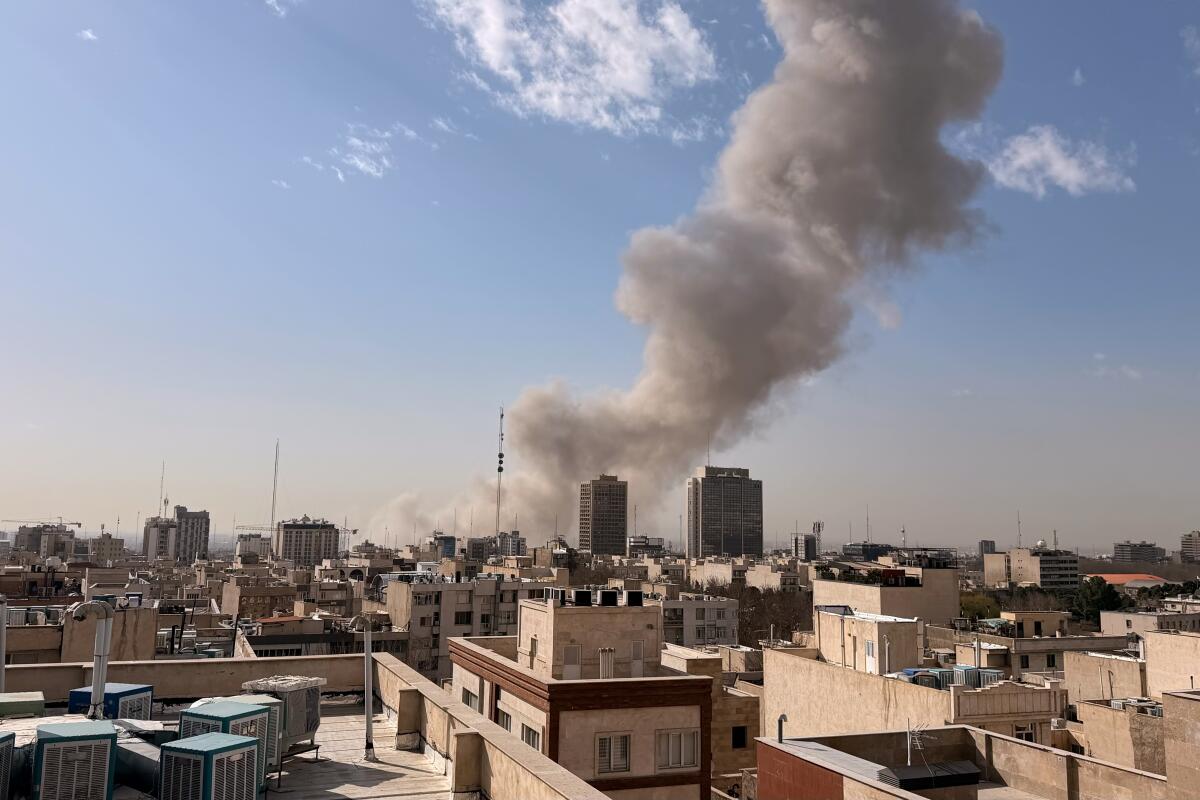
Within American military doctrine, the concept of “battle damage assessment” — the systematic analysis of what an enemy has actually lost in capability versus what it has announced — is taken with deadly seriousness. The question that analysts are now pressing: how much of Iran’s missile inventory was actually destroyed in the US-Israeli strikes on missile storage facilities, and how much was pre-positioned in dispersed, hardened locations specifically designed to survive exactly the kind of opening strikes America launched?
Satellite imagery cited in intelligence assessments confirms that 70% of Iran’s known underground missile production capacity has been neutralized. The operative word is “known.” The IRGC has spent three decades building a dispersed, hardened, redundant weapons architecture on the explicit assumption that its above-ground and known infrastructure would not survive a US first strike.
Six waves in 24 hours suggests the dispersed inventory is considerable.
The Pentagon’s public posture is confidence. The quiet conversations among defense analysts — about interceptor depletion rates, about the physical limits of sustained air defense operations, about what happens to global markets if Bahrain’s Fifth Fleet headquarters is struck again — are considerably more cautious. The IRGC says it is only getting started. Washington needs a plan for wave seven.