The IRGC Says 560 Americans Were Killed. The Pentagon Says 3. Both Cannot Be Right. Both Have Reasons to Lie.
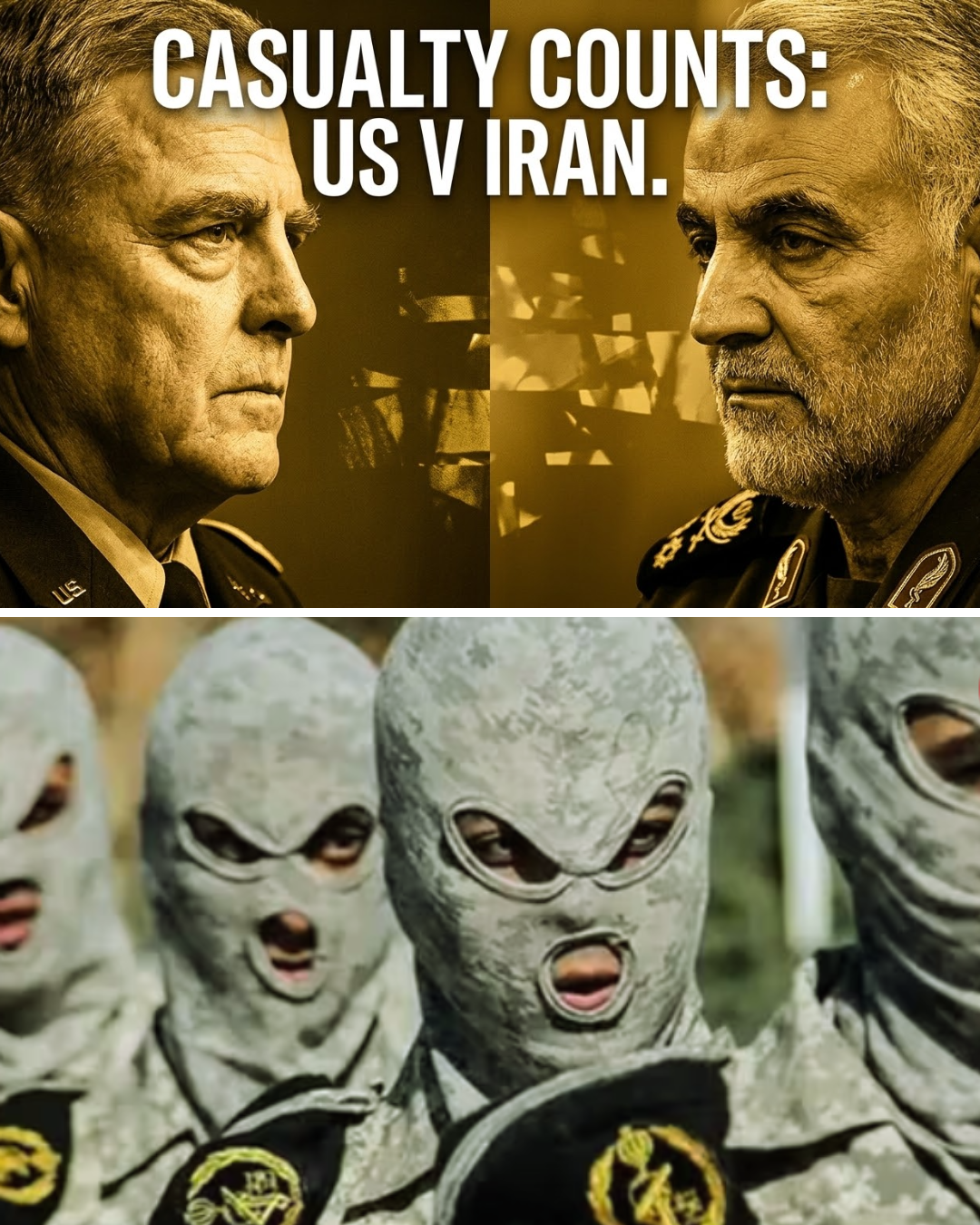
WASHINGTON / TEHRAN — In every war, the first casualty is truth. In the US-Iran war of 2026, truth did not merely die — it was shredded, weaponized, and redistributed by both sides within hours of the first explosion over Tehran.
The official US position, confirmed by CENTCOM at 9:30 a.m. Eastern on March 1, is precise and unambiguous: three American service members were killed and five others seriously wounded during the operation against Iran. The White House, the Pentagon, and all official military communications have held to this figure.

The IRGC’s counterclaim, distributed through Iranian state media and amplified across regional networks, is dramatically different: 560 American troops were killed or wounded after two ballistic missiles allegedly struck the Naval Support Activity Bahrain base directly.
The numerical gap — between 3 and 560 — is not a rounding error. It is the central information warfare battleground of this entire conflict, and understanding why both figures exist, and what each side needs the world to believe, is essential to any honest analysis of where this war goes next.
For Washington, the 3-dead figure serves multiple functions simultaneously. Domestically, it manages the public opinion crisis already underway — a Reuters/Ipsos poll released Sunday showed only 27% of Americans support the strikes that killed Khamenei, with nearly half the country, including one in four Republicans, believing the President was “too eager” to use military force. Three dead is a tragedy that can be narratively managed. Five hundred and sixty dead would trigger a constitutional crisis, emergency Congressional hearings, and potentially the fastest reversal of public support for a military operation in modern American political history.
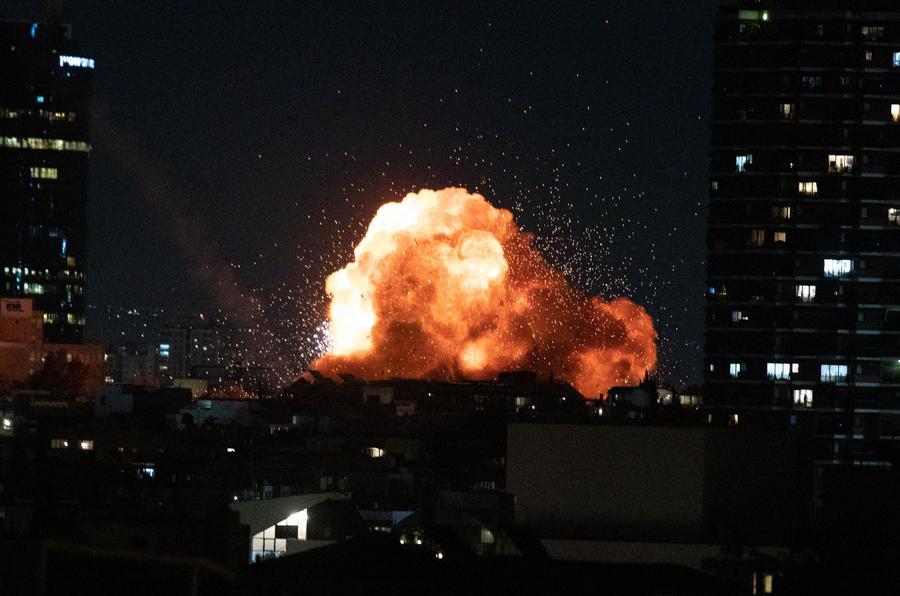
For the IRGC, the 560 figure — regardless of its accuracy — serves an equally critical function: it communicates to the Iranian public, to Hezbollah, to the Houthis, to every proxy actor in Tehran’s regional network, that American military power is not invincible, that the great superpower bleeds when struck, that resistance is not futile.
Both figures are therefore politically necessary to the parties that produce them. This does not mean both are equally false. Open-source intelligence analysts, tracking satellite imagery of Bahrain’s NSA facility, have noted significant structural damage to at least two installations within the compound. Bahrain’s own emergency services confirmed activating mass casualty protocols on the night of February 28.
The truth almost certainly lies somewhere between 3 and 560 — and the exact number, whenever it eventually emerges through leaks, foreign intelligence, or post-conflict accountability, will be one of the defining revelations of the entire conflict.

History offers a precedent: during the January 2020 Iranian missile strike on Al-Asad air base in Iraq — ordered in retaliation for the assassination of Qassem Soleimani — the US initially reported “no casualties.” The real figure, released months later under FOIA pressure, was 110 American service members treated for traumatic brain injuries.
The body count war is not a sideshow. It is the war within the war — and in the information age, it may prove more consequential than any kinetic engagement.