A Patriot Missile Battery Filmed Failing in Real Time. America’s Air Defense Mythology Is Under Fire.

KUWAIT CITY — The video is 23 seconds long. It shows a Patriot PAC-3 air defense battery in Kuwait launching interceptors against an incoming Iranian ballistic missile. It shows the interceptors rising. And then — in footage that has been viewed tens of millions of times across social media platforms — it shows the missile continuing its trajectory, unimpeded, toward its target.
The Patriot missile system is the cornerstone of American and allied air defense doctrine in the Middle East. It is deployed across six Gulf states. It has been sold to 18 nations worldwide. It is, in the official Pentagon lexicon, among the most reliable and effective air defense systems ever built. Its combat record is cited repeatedly in congressional testimony, in arms export negotiations, and in the reassurances offered to Gulf partner nations that American military infrastructure provides them security.
The 23-second video from Kuwait has not merely gone viral. It has gone geopolitically consequential.
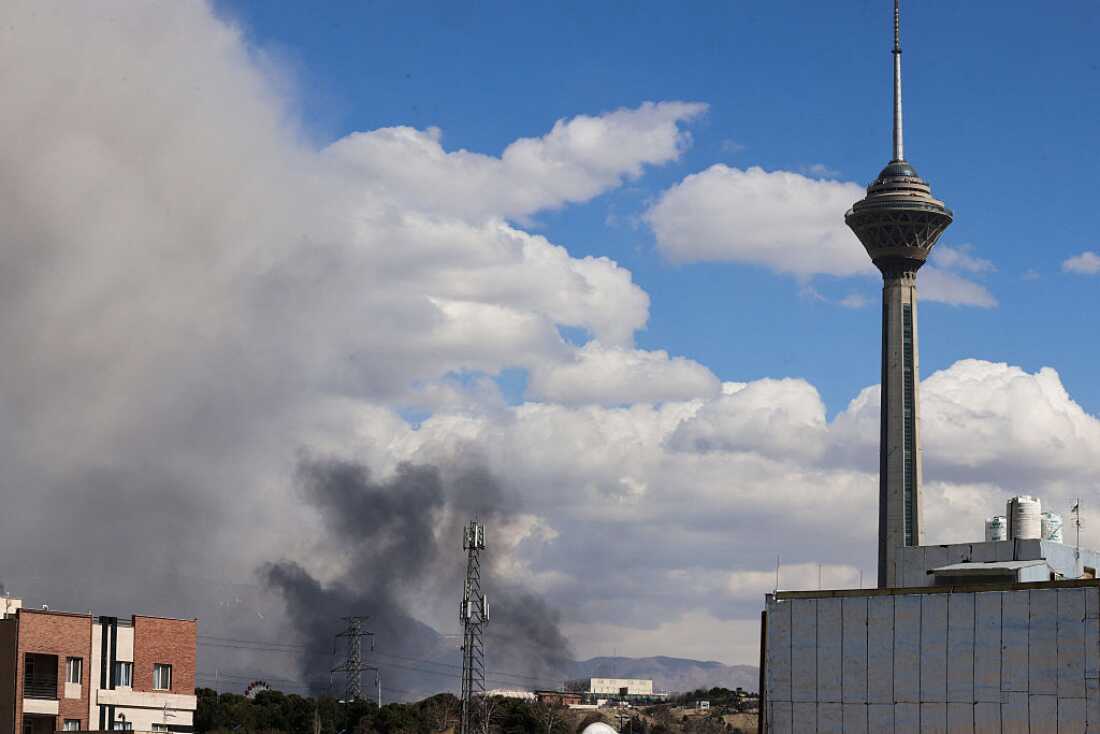
The technical failure it depicts — or the technical ambiguity it depicts, since no official body has confirmed the circumstances under which the intercept attempt failed — raises questions that missile defense experts are now discussing with unusual urgency. Patriot systems have documented failure modes: certain Iranian ballistic missiles use maneuvering reentry vehicles specifically designed to complicate intercept solutions. Simultaneous multi-axis attacks, like Iran’s six-wave strategy, create engagement sequencing problems that can overwhelm battery operators. And then there is the matter of interceptor availability.
Bloomberg’s defense analysts noted Sunday that at current engagement rates, American interceptor stockpiles — across all systems deployed in the region — could be depleted within days. This is not a headline that appears in official military communications. It is the kind of assessment that circulates in restricted defense briefings, in the conversations between Pentagon acquisition officers and Raytheon executives, and in the quiet analyses of America’s adversaries. Israel, which co-manufactures the Arrow-3 system, has shared interceptor inventories with the United States to shore up Gulf deployments — but this is, at best, a stopgap measure.

The deeper issue is structural. Air defense missiles are not produced quickly. The Patriot PAC-3 production line is measured in months per unit. Iran’s missile production capability, even at the 70% known-capacity degradation cited in intelligence reports, can still generate dozens of missiles per week from dispersed facilities. The exchange math — how long American defensive interceptor stocks last against an Iranian offensive that shows no sign of exhaustion — is not comfortable reading.
The 23-second video has done something that diplomatic statements, UN Security Council debates, and Congressional hearings cannot easily undo: it has inserted a visible question mark over the air defense architecture that the entire Gulf security order depends upon. That question mark will outlast this war.