Kharg Island Is Dark. Hormuz Is Threatened. The Global Economy Has Entered Uncharted Territory.
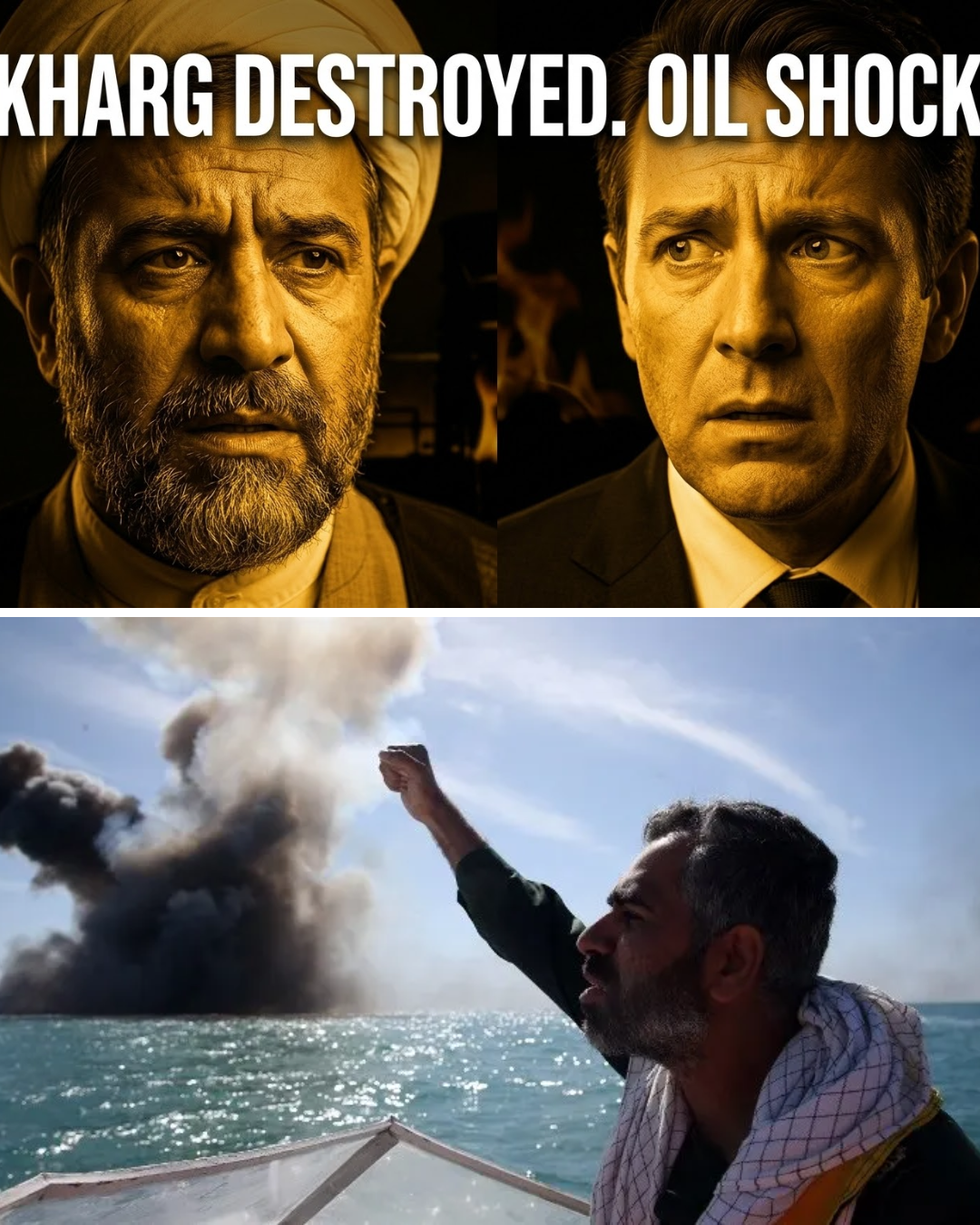
LONDON / SINGAPORE / HOUSTON — The financial world was already pricing in disruption when the first strikes hit Tehran on February 28. By Monday morning, March 2, it was pricing in something considerably worse: the possibility that the Persian Gulf’s oil export infrastructure — which moves approximately 20% of the world’s daily petroleum supply — had been functionally disabled, not for days, but for months or years.
Kharg Island, Iran’s primary oil export terminal and the chokepoint through which approximately 90% of Iran’s petroleum exports flow, was struck directly in the opening hours of Operation Epic Fury. Intelligence assessments confirm that all seven of Kharg Island’s loading jetties were destroyed, along with associated pipeline infrastructure, storage facilities, and navigation systems. The estimate for reconstruction: 18 to 24 months. Iran’s oil export capacity — 1.8 million barrels per day — has been effectively removed from global supply.
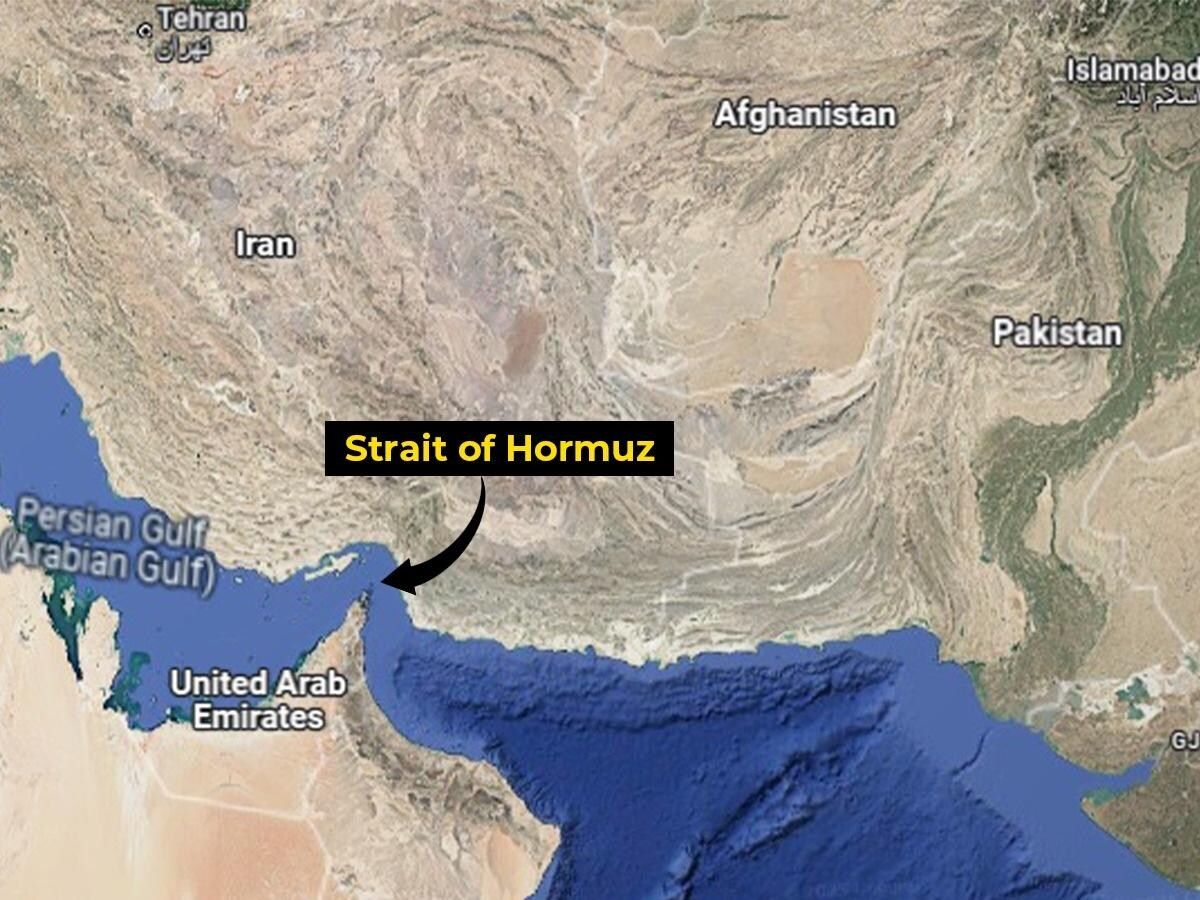
That is the Iranian contribution to what analysts are now calling a “supply shock cascade.” But the Kharg Island destruction is merely the most visible component of a structural disruption that has multiple, reinforcing dimensions. Iran’s closure of the Strait of Hormuz — confirmed for several hours on March 1, and threatened on a permanent basis by surviving IRGC commanders — represents a threat to an additional 17–20 million barrels per day of oil that passes through those waters from Saudi Arabia, the UAE, Kuwait, Iraq, and Qatar.
The Houthis, in a statement released Sunday, announced they were resuming their attacks on Red Sea commercial shipping — effectively reopening the second front that had, until recently, been partially contained by joint US-UK naval operations. The Red Sea disruption forces global shipping onto the Cape of Good Hope route, adding approximately 10–15 days and $500,000–$1 million per voyage to shipping costs for every container ship transiting between Asia and Europe.

Brent crude opened Monday morning above $115 per barrel. Analysts at Goldman Sachs, JPMorgan, and Morgan Stanley were briefing clients Sunday night on scenarios ranging from $130 to $180 per barrel if Hormuz disruption becomes sustained. At $150 per barrel, the inflationary impact on the global economy — already fragile after years of post-pandemic stress — would be severe and rapid.
The cruel irony of the oil dimension is one that no party in this conflict can escape. Iran’s oil export revenue has been devastated. The Gulf states hosting American bases are seeing their own export infrastructure threatened by the very conflict they were forced to host. The United States, which was energy independent by domestic production but deeply exposed to global oil price inflation, faces the prospect of a major military campaign that simultaneously drives up the domestic cost of living for the population the President claimed to be defending.
Every barrel of oil that does not leave the Persian Gulf is a tax on the global poor — the Indonesian factory worker, the Vietnamese rice farmer, the Kenyan commuter — who had no vote in any of the decisions that led to Operation Epic Fury.