Nearly Three-Quarters of Americans Oppose This War. In a Democracy, What Does That Mean?
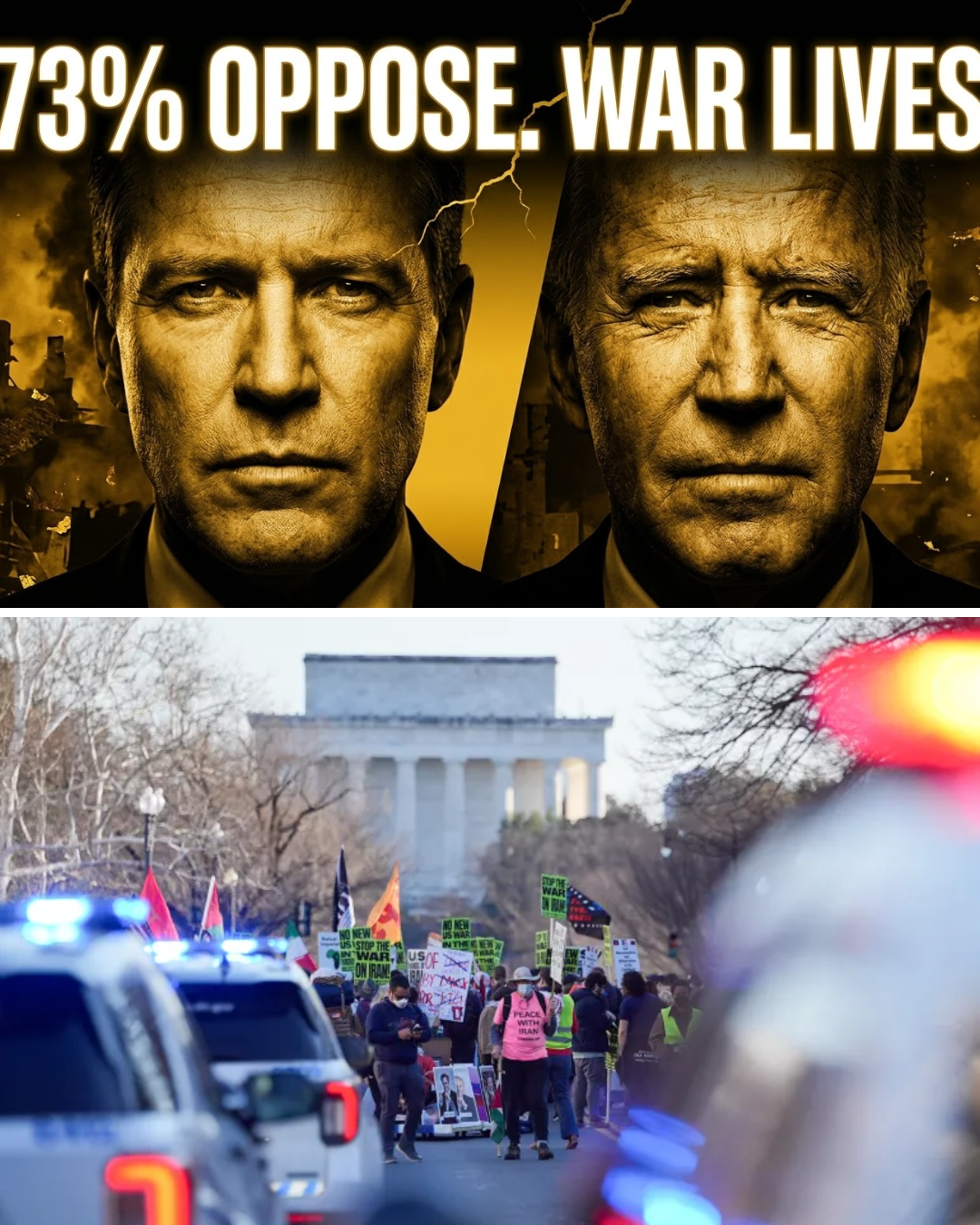
WASHINGTON D.C. — The number is stark, and it arrived at the worst possible moment for the administration: according to a Reuters/Ipsos poll released Sunday, only 27% of Americans support the US strikes that killed Iran’s Supreme Leader Ayatollah Ali Khamenei. Approximately half the population, including one in four self-identified Republicans, believed the President was “too eager” to resort to military action.

This is not, by historical standards, a typical wartime polling posture for a newly initiated American military operation. In the immediate aftermath of the Gulf War in 1991, President George H.W. Bush’s approval ratings surged to 89%. After the 9/11 strikes and the launch of Operation Enduring Freedom in Afghanistan, approval for military action exceeded 80%. Even the deeply controversial invasion of Iraq in 2003 enjoyed initial public support above 70% in the weeks following the first strikes.
Twenty-seven percent represents something qualitatively different: a military operation that the American public, by a crushing majority, viewed with skepticism before the first bomb landed, and which has not produced the rally-around-the-flag surge that American presidents have historically relied upon to sustain wartime political capital.

The reasons are analytically traceable. The American public has absorbed, over two decades, the brutal lesson of Iraq and Afghanistan: that military operations launched with confident claims of short duration and achievable objectives have a structural tendency to expand, to persist, and to consume lives and treasure far beyond initial estimates. Trump’s own “four weeks” timeline — stated publicly on Saturday — is being received not as reassurance but as a data point in a pattern that observers have seen before.
The Constitutional dimension is equally significant. The War Powers Resolution of 1973 requires the President to notify Congress within 48 hours of committing US forces to armed conflict and limits unauthorized military engagement to 60 days without Congressional authorization. Democrats are already drafting legislation to invoke the Resolution’s provisions. The legal argument for pre-authorization — that Congress was not formally consulted before the strikes — is procedurally credible and politically explosive.
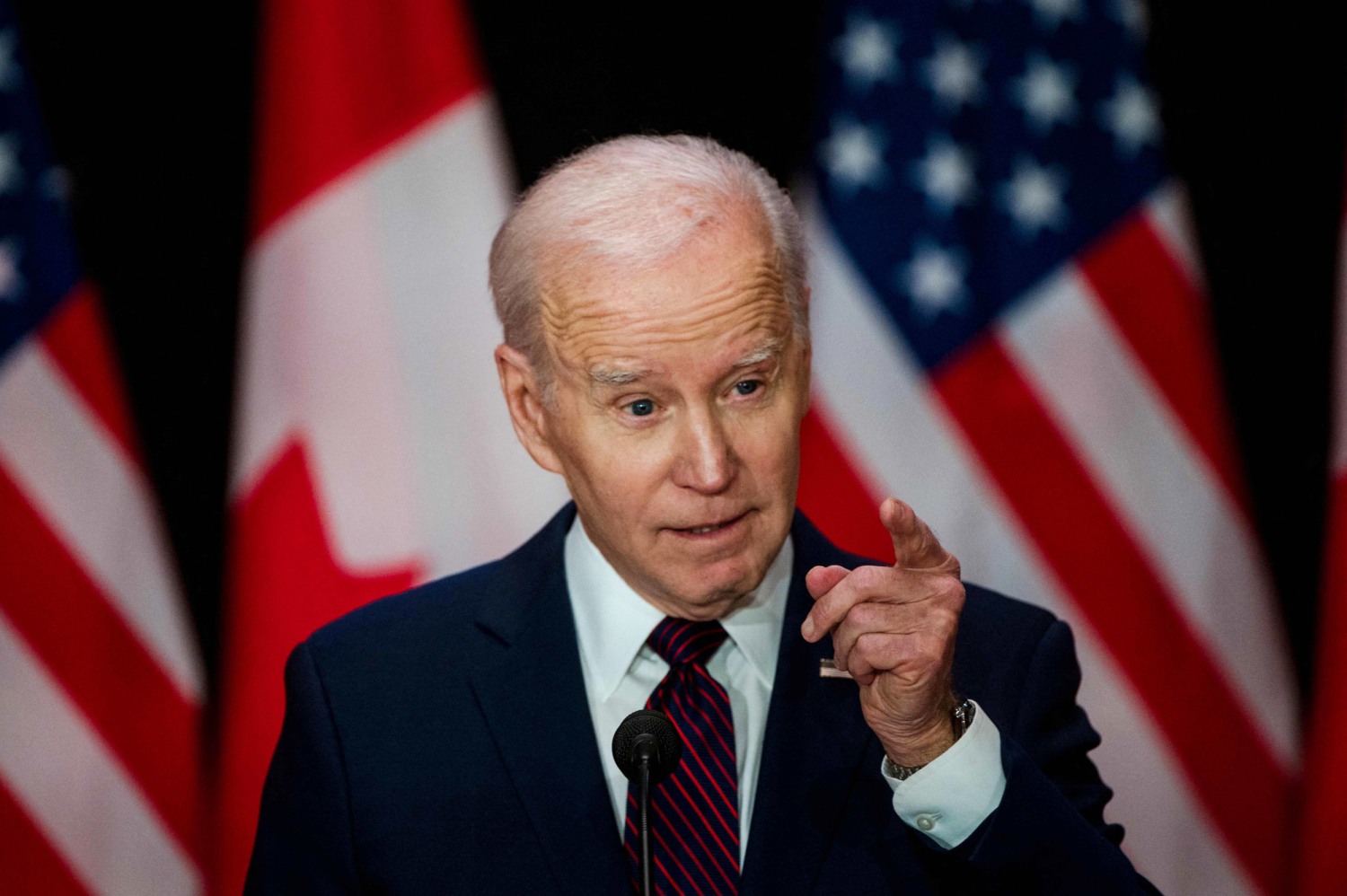
But here is the deeper democratic paradox that no polling number can fully resolve: even if 73% of Americans oppose this war, even if Congressional Democrats invoke every procedural mechanism available, even if protests fill city squares from New York to Los Angeles — can a democratic government actually stop a war that is already in motion, against an adversary that has already retaliated, with American service members already deployed and already dying? The mechanisms of democratic accountability were designed for peacetime policy. They were not designed for the kinetic momentum of modern warfare, where each new exchange creates new facts, new casualties, and new justifications.
Twenty-seven percent may be the most alarming number in American democracy this week. Not because it will stop the war, but because it may not.