Months of Surveillance, Leaked Intelligence, and a Strike Timed to the Minute. How America Killed Khamenei.
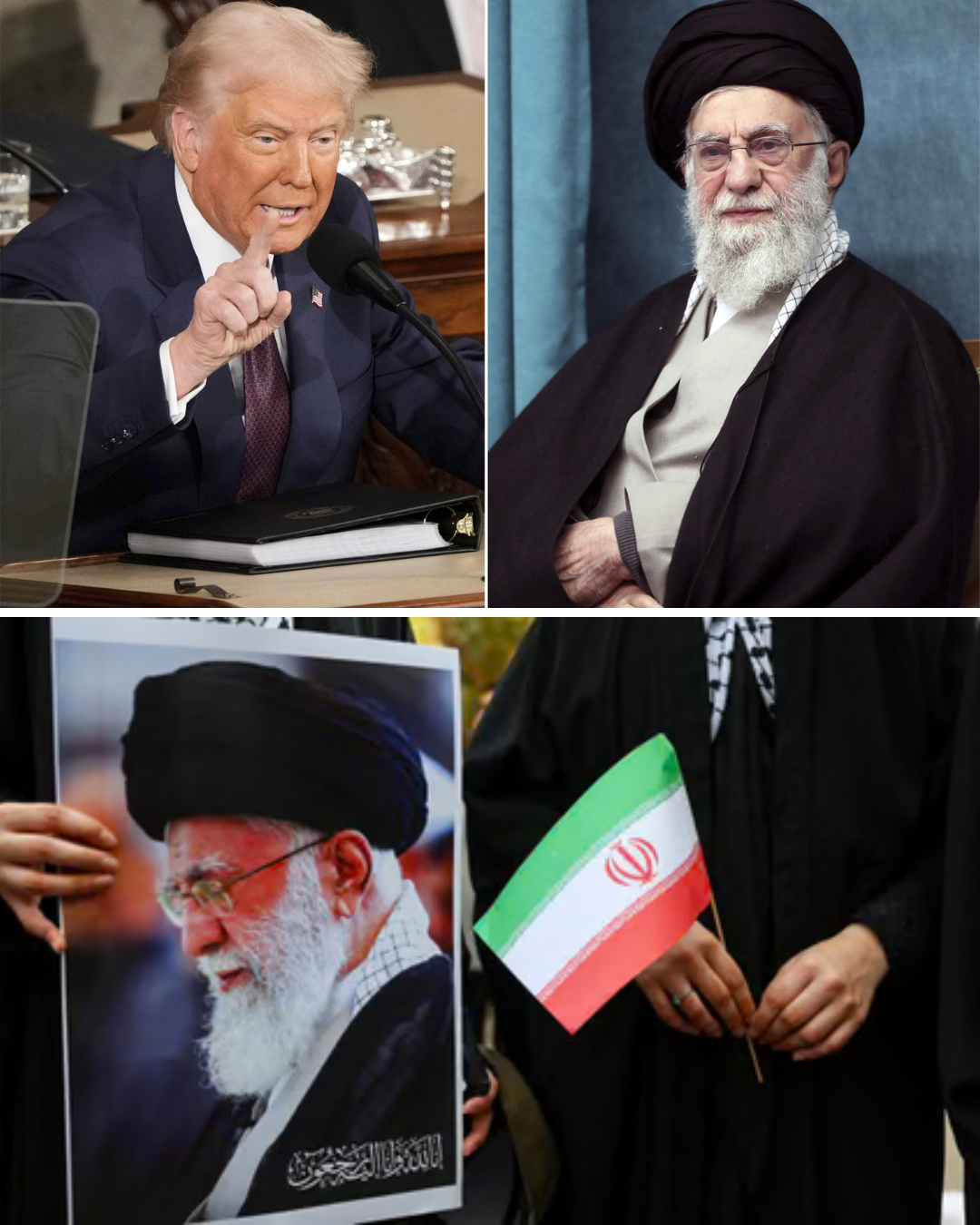
LANGLEY / TEL AVIV — He survived assassination attempts, cancer rumors, the fall of allies, and four American presidents who each considered and rejected the option of killing him. Ayatollah Ali Khamenei, 85, had endured as Iran’s Supreme Leader since 1989 through a combination of theological authority, institutional cunning, and an almost pathological devotion to operational security. He was notoriously difficult to locate, rarely appeared in public without elaborate counterintelligence precautions, and had spent years preparing for the possibility that America or Israel might one day attempt to kill him.
It was not enough.
According to a report by The New York Times, citing multiple intelligence officials, the CIA had spent months prior to February 28 systematically tracking Ayatollah Khamenei’s movements and patterns. The intelligence was developed through a combination of signals intelligence, human sources within the Iranian security apparatus, and satellite surveillance — a collection effort that the NYT described as a joint operation between American and Israeli intelligence agencies, with the CIA sharing its real-time location data with the IDF.
The strike on the Pasteur compound in central Tehran — Khamenei’s known compound and the site of the Iranian government’s most senior leadership meetings — was timed to coincide with what intelligence assessed to be a full session of Iran’s Supreme National Security Council. In addition to Khamenei himself, the strike killed seven members of the Guardian Council and approximately 41 senior IRGC commanders and nuclear scientists, according to intelligence derived from leaked IRGC internal communications obtained by Reuters.
The precision of this intelligence — not just location, but timing, not just the target but the full composition of who was present — raises questions that go beyond tactics. How deep is the penetration of American and Israeli intelligence into Iran’s most sensitive command structures? The months-long surveillance effort that produced the Pasteur compound strike implies a level of human intelligence access that represents either a profound security failure inside Iran’s leadership circle, or a technical surveillance breakthrough of considerable sophistication.
Former Iranian president Mahmoud Ahmadinejad was also reportedly killed during the strikes, according to reporting by The Guardian and Israeli sources — though this has not been independently confirmed and Iranian state media has not addressed it directly. The reported deaths of both Khamenei and Ahmadinejad — representing both the incumbent supreme authority and the most prominent internal critic of that authority — in the same operation would be a coincidence of staggering improbability.
Or it would be evidence that the intelligence penetration was deeper than anyone outside the operation currently comprehends.