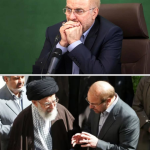
Twenty More Civilians Dead on Day Three. The Moral Ledger of Operation Epic Fury Is Getting Harder to Balance.
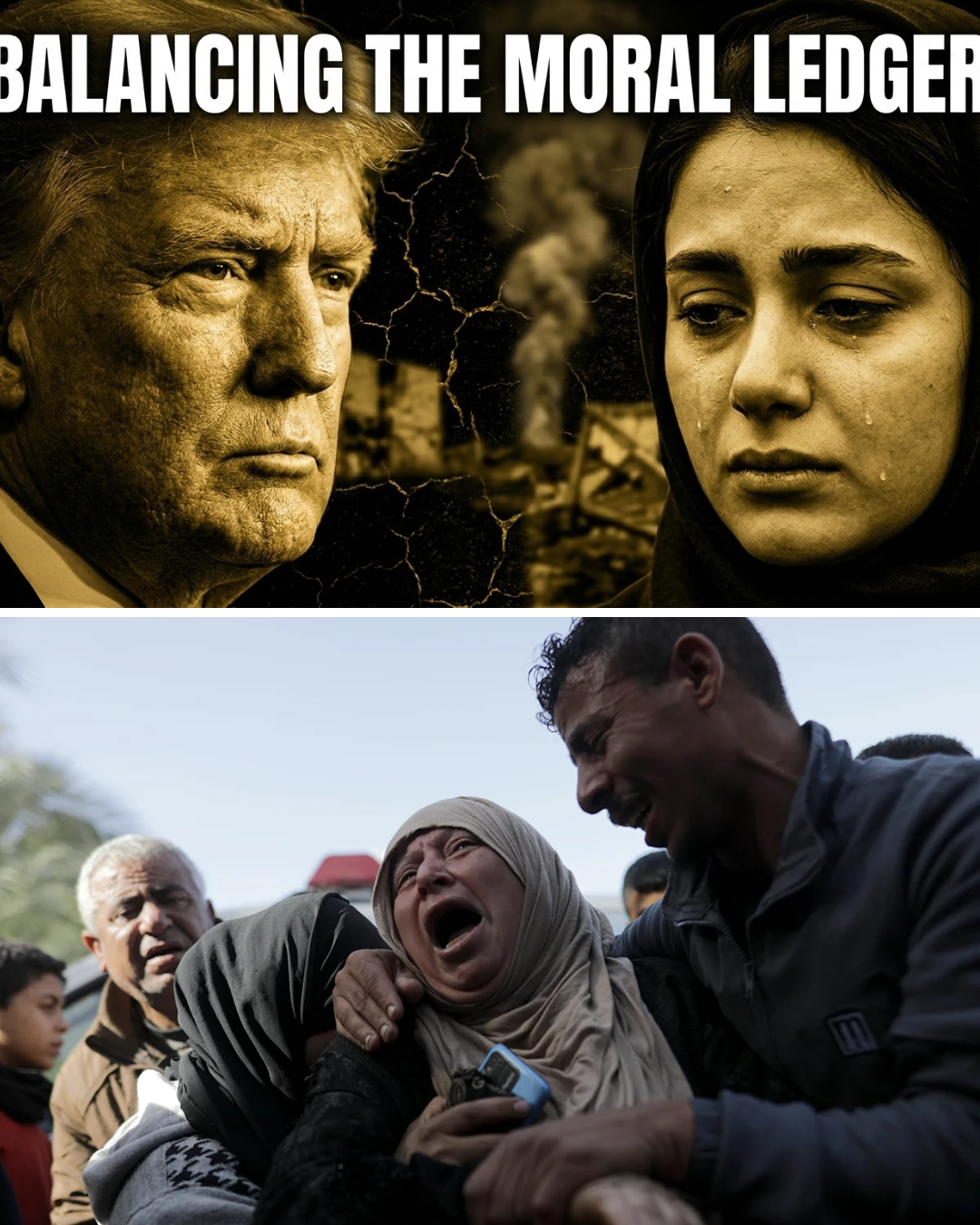
TEHRAN — Twenty more Iranian civilians were killed in Tehran’s Niloofar Square on March 2, the third day of Operation Epic Fury, according to Al Jazeera’s live casualty tracker. The previous day’s death toll from the strike on a girls’ elementary school in Minab had risen to 148, with 95 people still hospitalized. Iran’s Red Crescent Society reported explosions near hospitals in Tehran and near its own Peace Building. The Iranian government’s overall civilian death toll, as tracked by Al Jazeera, stood at 201 killed and 747 injured within Iran by Sunday evening.

The US-based Human Rights Activists News Agency offered a dramatically higher estimate: 7,000 dead across all strikes. The Iranian government’s own figure of 3,117 was more conservative but still catastrophic. President Trump’s administration cited a figure of 32,000 — a number that, if accurate, would make Operation Epic Fury one of the deadliest military strikes in the history of modern warfare by casualty count, and which human rights organizations have described as an implausible overcount that may serve to dramatically inflate the strategic significance of the operation.
The civilian death toll — whatever its ultimate verified number — activates a moral and legal framework that does not disappear because the objectives are strategically compelling.
International humanitarian law, codified in the Geneva Conventions and their Additional Protocols, establishes two foundational principles for the conduct of military operations: distinction — the obligation to distinguish between military targets and civilians — and proportionality — the requirement that the anticipated civilian harm not be excessive relative to the concrete military advantage expected.

The UN Secretary-General António Guterres, in emergency Security Council remarks, warned that violence could reach “unthinkable levels” and that the global non-proliferation regime “as we know it could crumble and fall.” The IAEA’s director-general noted that international inspector access to Iranian nuclear sites had been lost, creating a monitoring vacuum at precisely the moment when the sites’ physical status was most uncertain.
The moral ledger of Operation Epic Fury contains entries on both sides. On the credit side: the destruction of a regime that imprisoned and killed thousands of its own citizens, the degradation of a nuclear program that multiple intelligence agencies assessed was approaching weapons-grade capability, the death of a supreme leader whose proxies had killed hundreds of Americans over decades. On the debit side: 148 girls dead in a school in Minab, 20 civilians dead in Niloofar Square, hospitals near explosion zones, a humanitarian crisis in a nation of 90 million people who did not choose their government.
History does not grade on a curve. It counts the bodies.