Archaeology news: Cancer rates in Medieval Britain were 10 times worse than thought
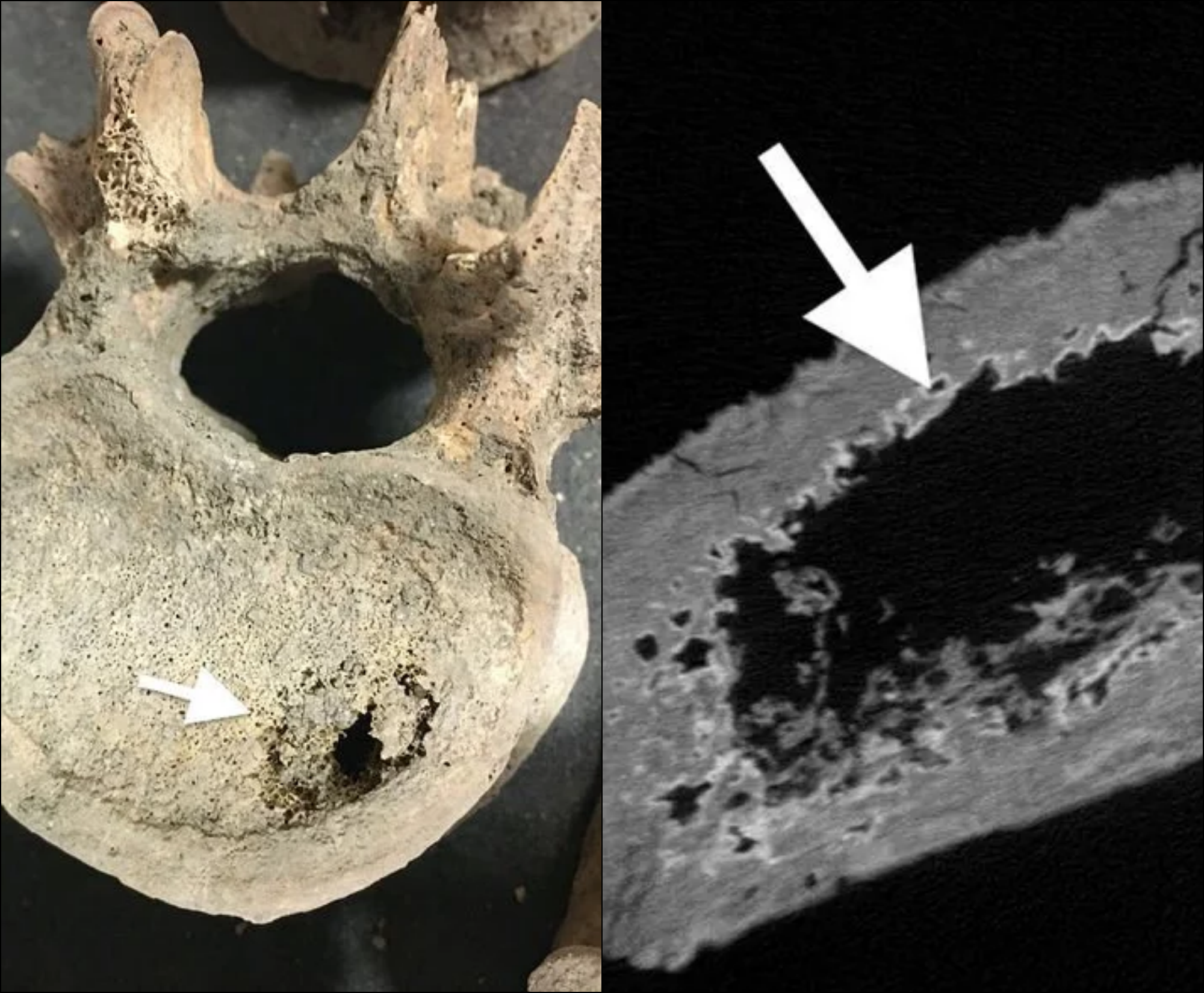
Archaeologists examining the skeletal remains of Medieval-era Britons have found that between nine and 15 percent of the population may have suffered from serious long-term illness by the time of their passing.
New research at the University of Cambridge has challenged the previously held belief that fewer than one percent of people were affected by such conditions. Until now, archaeological estimates in medieval Britain were limited by available technology. But the first study to combine CT scans and X-rays has revealed unexpectedly high levels of serious abnormal growths among pre-industrial populations.
Researchers were surprised by the findings, considering the remains date to a period before tobacco use and exposure to industrial chemicals — some of the leading risk factors today.

In total, archaeologists examined 143 skeletons from six medieval cemeteries in and around Cambridge.
The skeletons were dated between the sixth and 16th centuries AD.
The remains included 96 men, 46 women and one individual of unknown sex.
The study was carried out as part of the After the Plague project — an effort to better understand the health, lifestyle and mortality patterns of medieval Cambridge’s poorer communities.
Dr. Piers Mitchell from the University of Cambridge’s Department of Archaeology and the study’s lead author said:
“The majority of these illnesses originate in soft tissues that no longer survive in medieval remains.
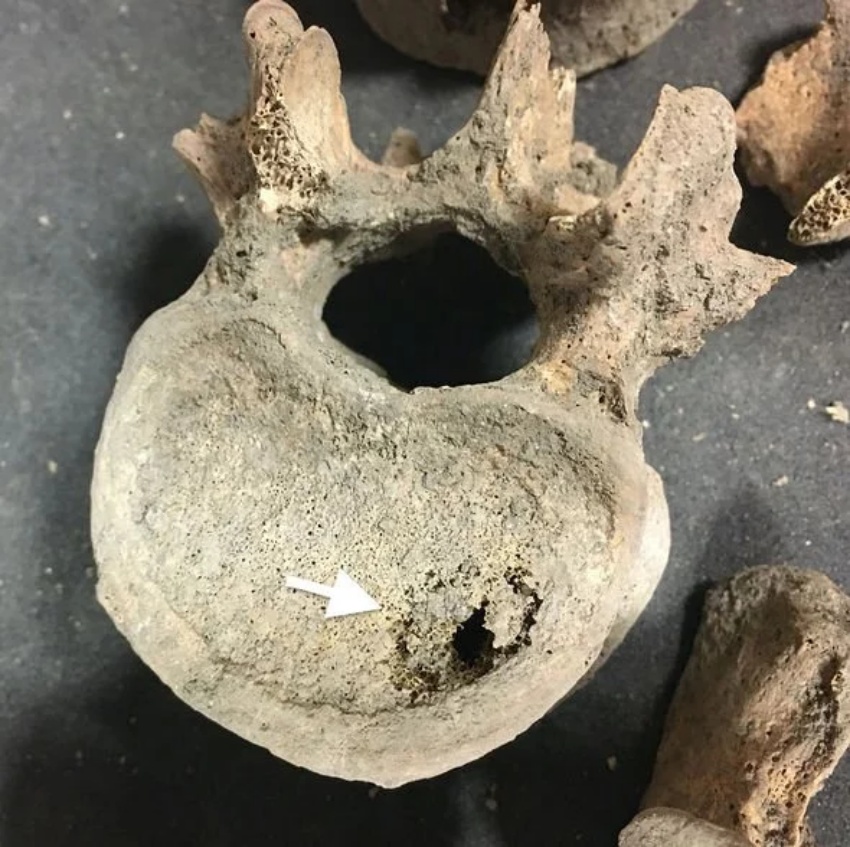
“Only some cases spread to bone, and of these, only a few are visible on the surface, so we looked inside the bone for internal signs.”
Modern medical research suggests that abnormal growths can spread to bone in roughly one-third to half of affected individuals.
The researchers used this information alongside their findings to estimate prevalence levels in medieval Britain.
Their results were published April 30 in the journal Cancer.
Dr. Jenna Dittmar, the study’s co-author, said: “Using CT scans, we were able to identify internal lesions hidden inside bones that appeared normal externally.

“Until now, it was believed that infectious illnesses such as dysentery and plague, along with malnutrition and injuries from accidents or conflict, were the main causes of poor health in medieval times.
“Our findings suggest that long-term degenerative conditions must also be considered a significant factor.”
Researchers note that such conditions remain more common today.
Current estimates suggest that between 40 and 50 percent of people in Britain may experience a serious abnormal growth at some point in their lifetime.