High-Resolution Footage of Unidentified Aerial Object Draws Global Attention
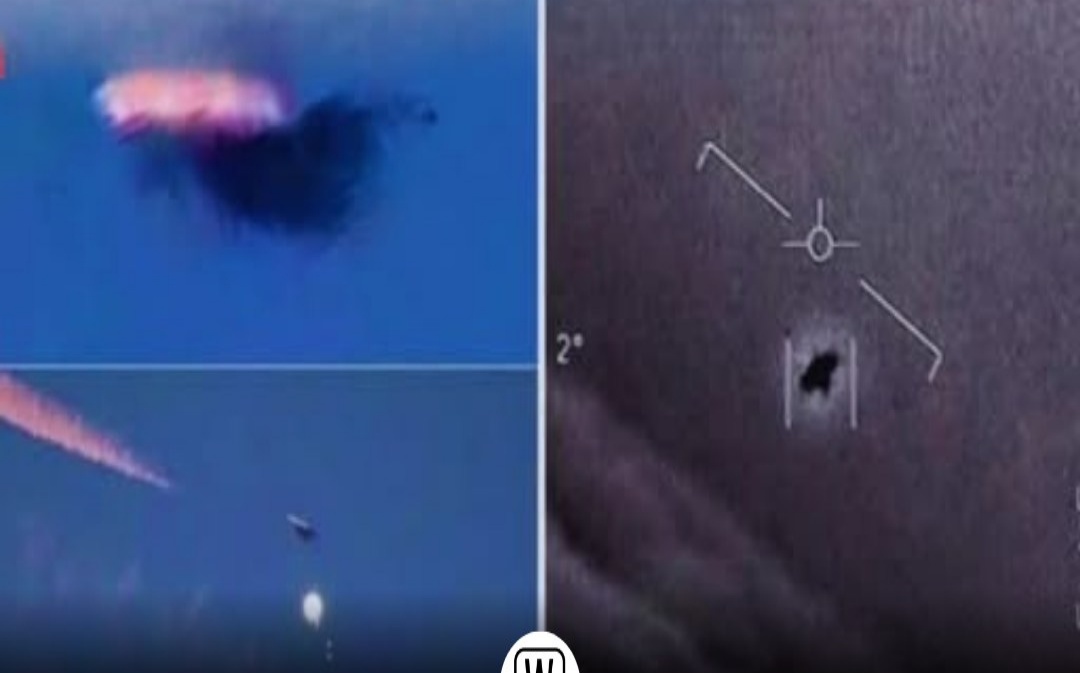
Newly surfaced surveillance footage is drawing intense public interest after reportedly capturing one of the clearest images to date of an unidentified aerial phenomenon (UAP).
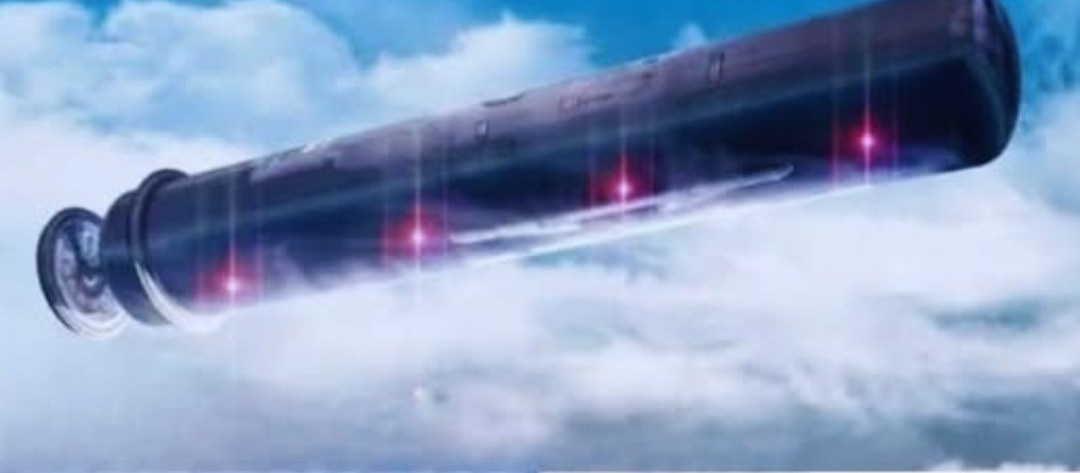
According to multiple defense analysts familiar with the material, the footage shows a sleek, dark cylindrical object hovering above cloud level before maneuvering with notable speed and precision. Observers say the object displayed no visible wings, rotors, or conventional propulsion system. It also appeared to move without producing a detectable sound signature.
Unlike earlier low-quality recordings that left room for interpretation, this case reportedly includes high-definition and infrared imagery from multiple angles. Analysts reviewing the footage say the object maintained stability while changing direction in ways that do not resemble standard aircraft movement.
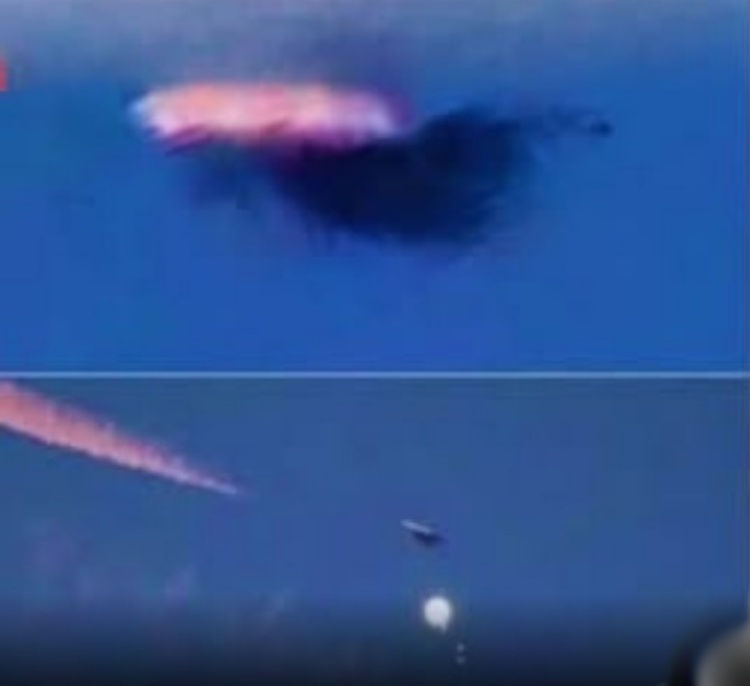
The incident has reignited comparisons to previously released U.S. government footage involving unusual aerial encounters. In 2020, the U.S. Department of Defense confirmed the authenticity of several Navy videos showing unidentified aerial phenomena, including the widely discussed “Tic Tac” object recorded during training exercises near the Pacific coast. Those videos, later referenced in congressional briefings, also showed aerial objects moving in ways pilots described as difficult to explain using known flight capabilities.
In the current case, sources indicate the cylindrical object was not discovered accidentally. It was reportedly tracked and documented through advanced surveillance systems before the imagery was reviewed by specialists. While officials have not publicly confirmed technical details, defense commentators say the level of monitoring suggests the event was treated seriously within intelligence channels.
A former military pilot, speaking during a recent aerospace panel discussion, commented on the broader issue: “When trained observers see consistent patterns — objects without visible propulsion, rapid acceleration, abrupt directional shifts — it deserves structured investigation. That doesn’t mean jumping to conclusions. It means collecting data and analyzing it carefully.”
Aviation engineers have also weighed in, emphasizing caution. Dr. Alan Reeves, an aerospace systems consultant, explained that visual anomalies can sometimes be influenced by sensor limitations, atmospheric distortion, or classified test platforms. “Advanced drone or experimental technologies can appear unconventional,” he said. “Before labeling something extraordinary, you rule out known categories step by step.”
Government agencies worldwide have increased formal reporting mechanisms for UAP sightings in recent years. In the United States, the All-domain Anomaly Resolution Office (AARO) was established to assess unidentified objects observed in air, sea, space, and other domains. Officials have repeatedly stated that most cases ultimately have conventional explanations, though a small percentage remain unresolved due to insufficient data.
Public fascination with unidentified aerial phenomena has grown alongside these official acknowledgments. Social media platforms have amplified interest, often framing new footage as evidence of dramatic breakthroughs. However, researchers stress that unidentified does not automatically mean extraterrestrial. It simply indicates that available information is incomplete.
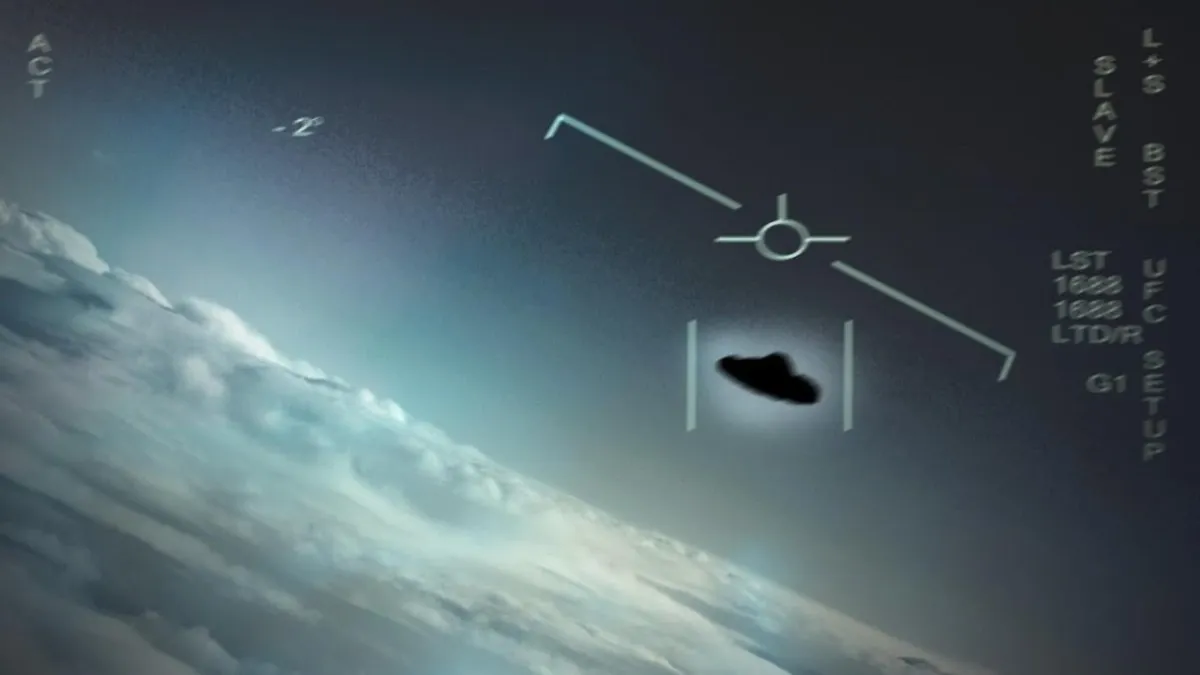
The release of high-quality imagery in this latest case may reflect a broader shift toward transparency regarding aerial anomalies. Analysts note that acknowledging unidentified objects does not confirm their origin but demonstrates an effort to systematically evaluate potential airspace risks.
For now, there has been no official confirmation regarding the source or nature of the cylindrical object. Defense authorities have not announced conclusions, and independent verification of the footage remains ongoing.
What is clear is that unexplained aerial sightings continue to prompt investigation from scientists, engineers, and security agencies alike. As data collection improves and reporting becomes more standardized, experts say future findings will rely on measurable evidence rather than speculation.
Until further analysis is released, the object remains categorized as unidentified — a reminder that in aviation and science alike, careful examination must come before definitive claims.