The Night Saddam Hussein Was Found in a Hole
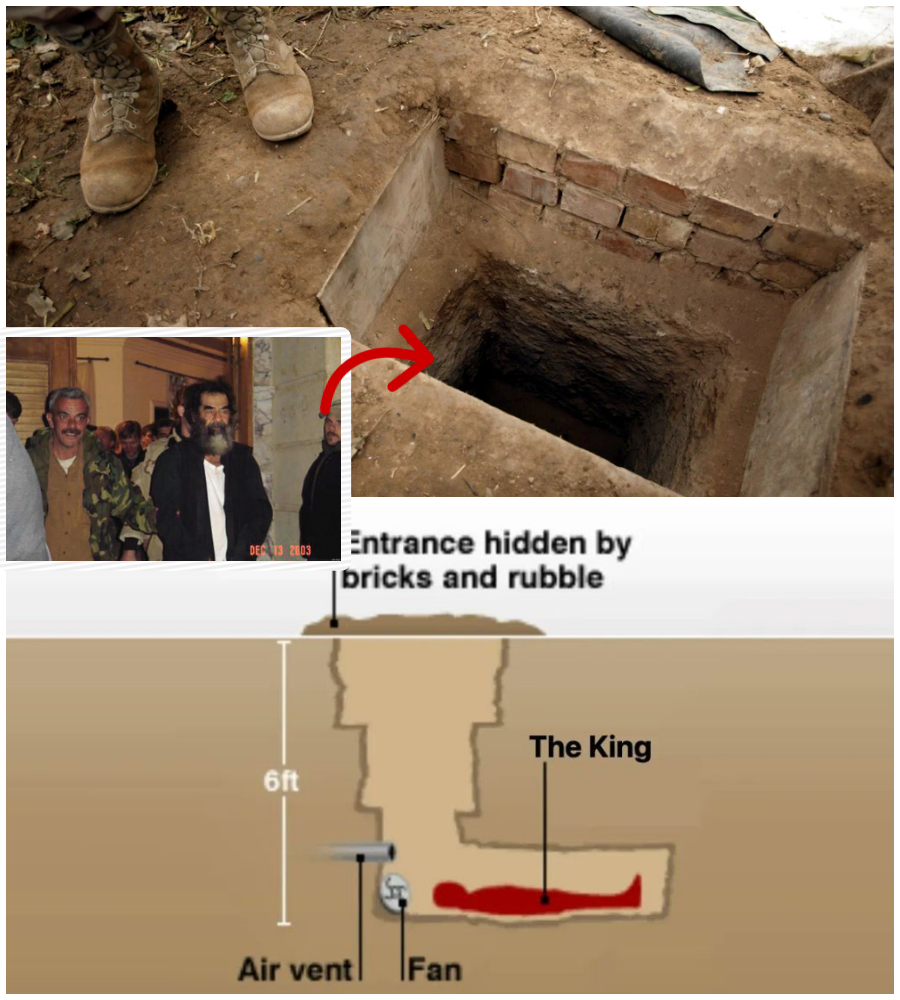
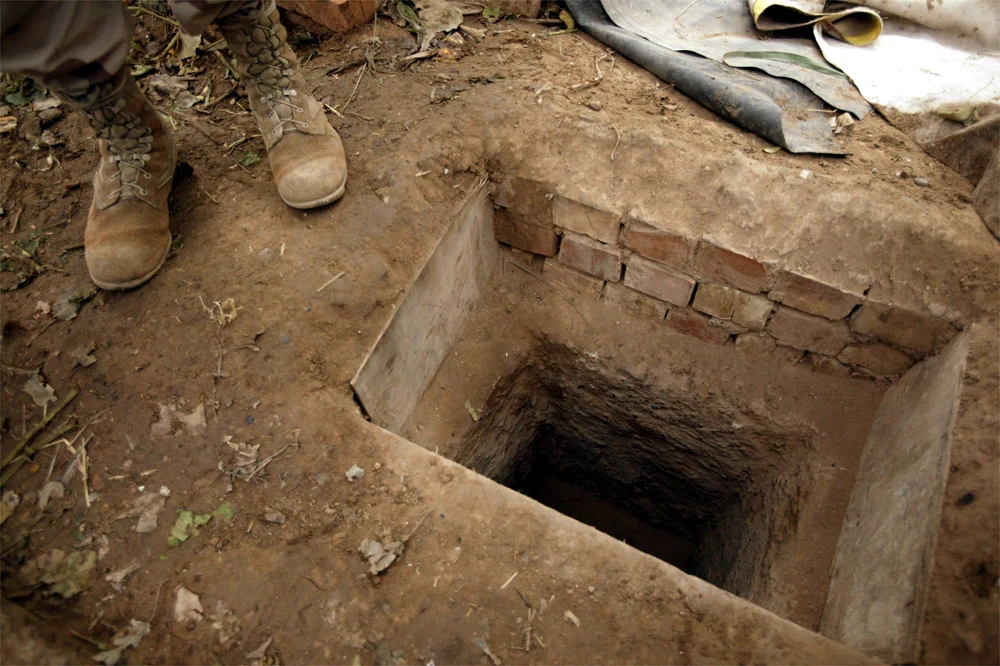
In December 2003, one of the most hunted men in the world was not discovered in a fortified palace or surrounded by loyal guards. He was pulled from a cramped underground hiding place near his hometown of ad-Dawr, close to Tikrit.
The man was Saddam Hussein, the former president of Iraq, whose regime had collapsed months earlier during the U.S.-led invasion. For much of 2003, coalition forces searched relentlessly for him, releasing playing cards featuring the most-wanted figures of the former Iraqi government. Saddam was the ace of spades.
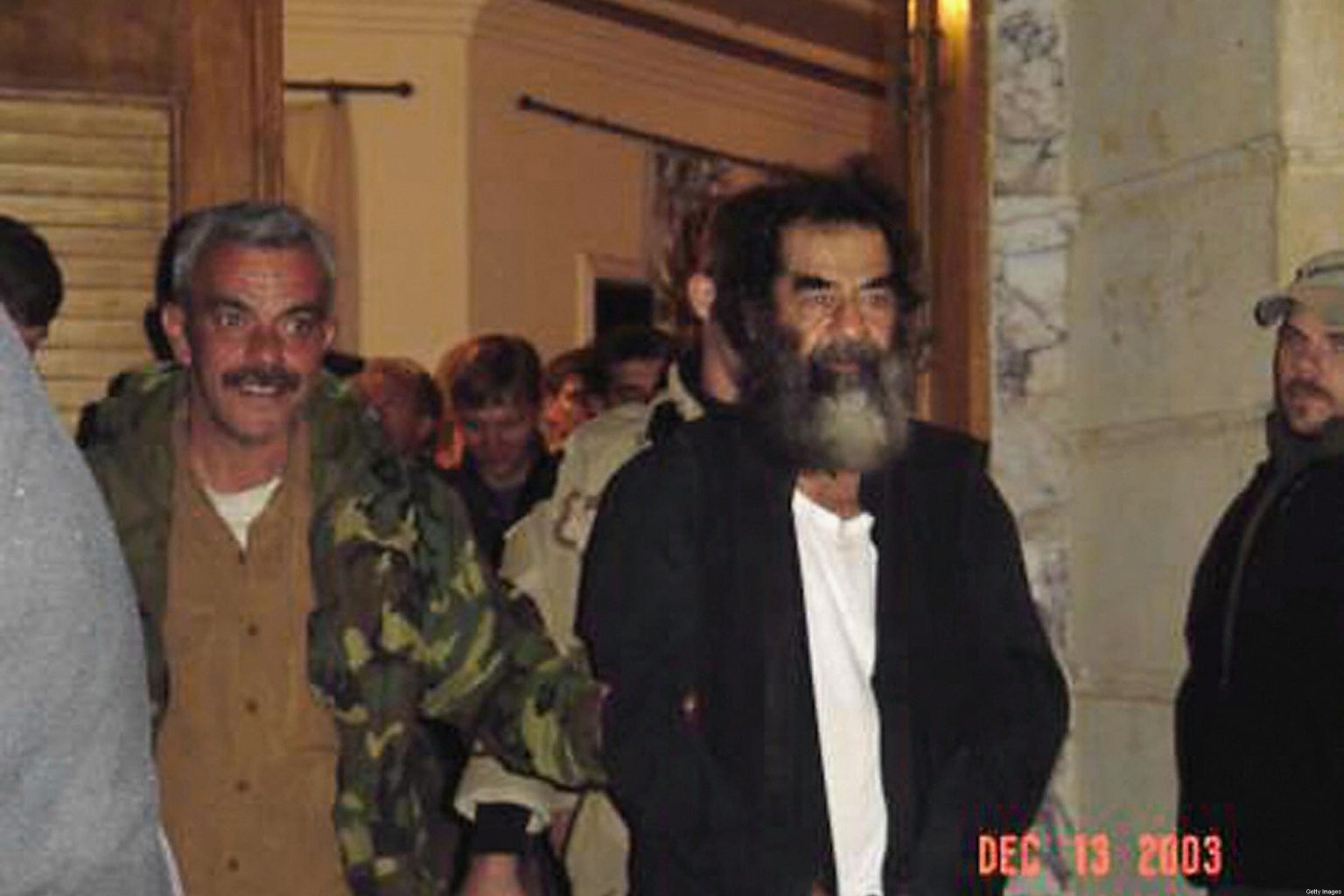
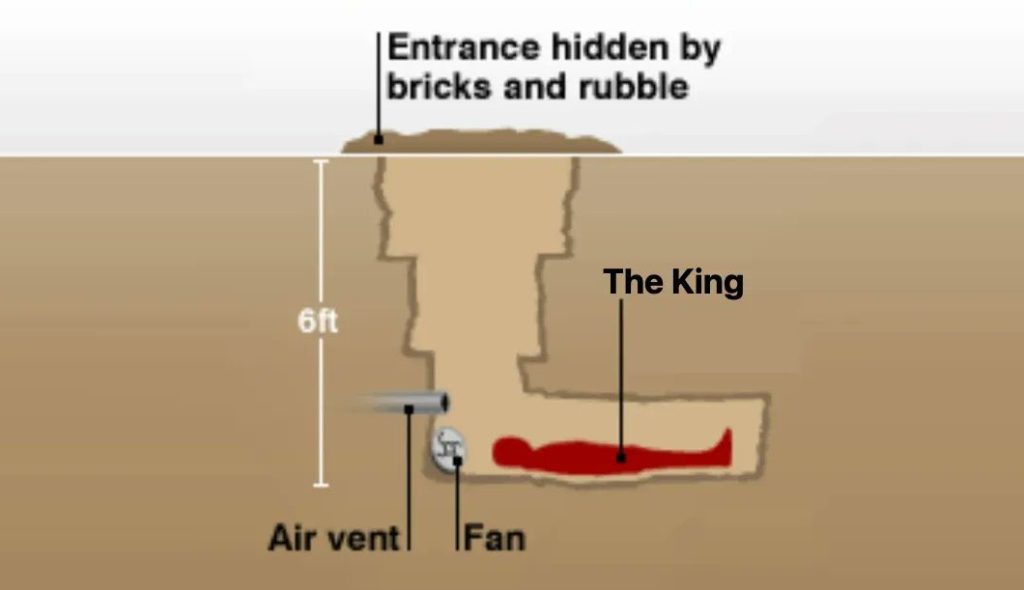
On the night of December 13, during an operation later named Operation Red Dawn, U.S. troops closed in on a rural compound. Hidden beneath the ground was a narrow “spider hole” — a concealed space just large enough for a man to lie inside. When soldiers lifted the cover, they found Saddam disheveled, armed but reportedly not resisting.
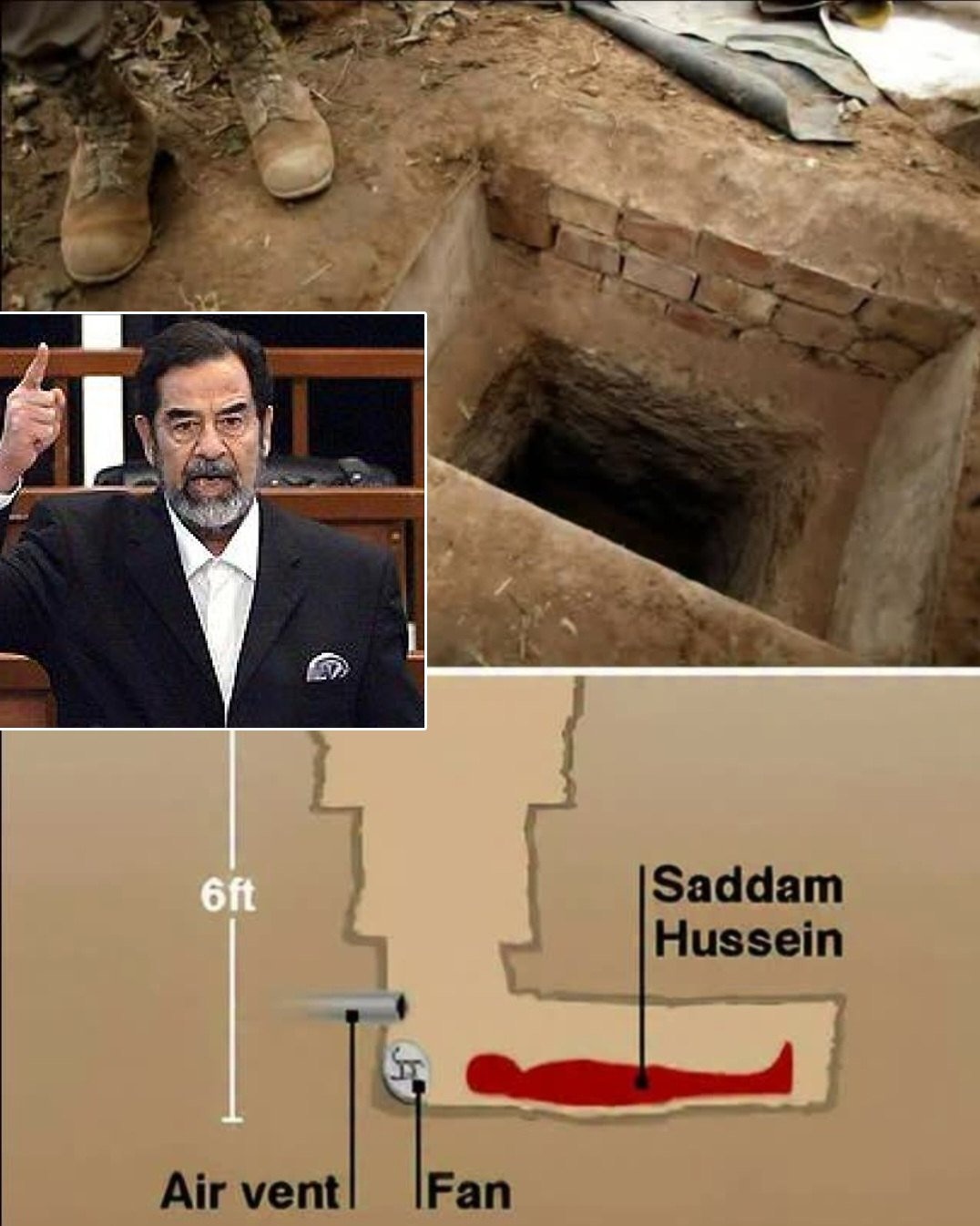
The image of the once-feared leader emerging from a dirt bunker became one of the defining photographs of the Iraq War. For years, he had ruled with absolute authority, commanding vast palaces, security services, and a powerful military. Yet in the end, he was found alone, in darkness, beneath the earth.
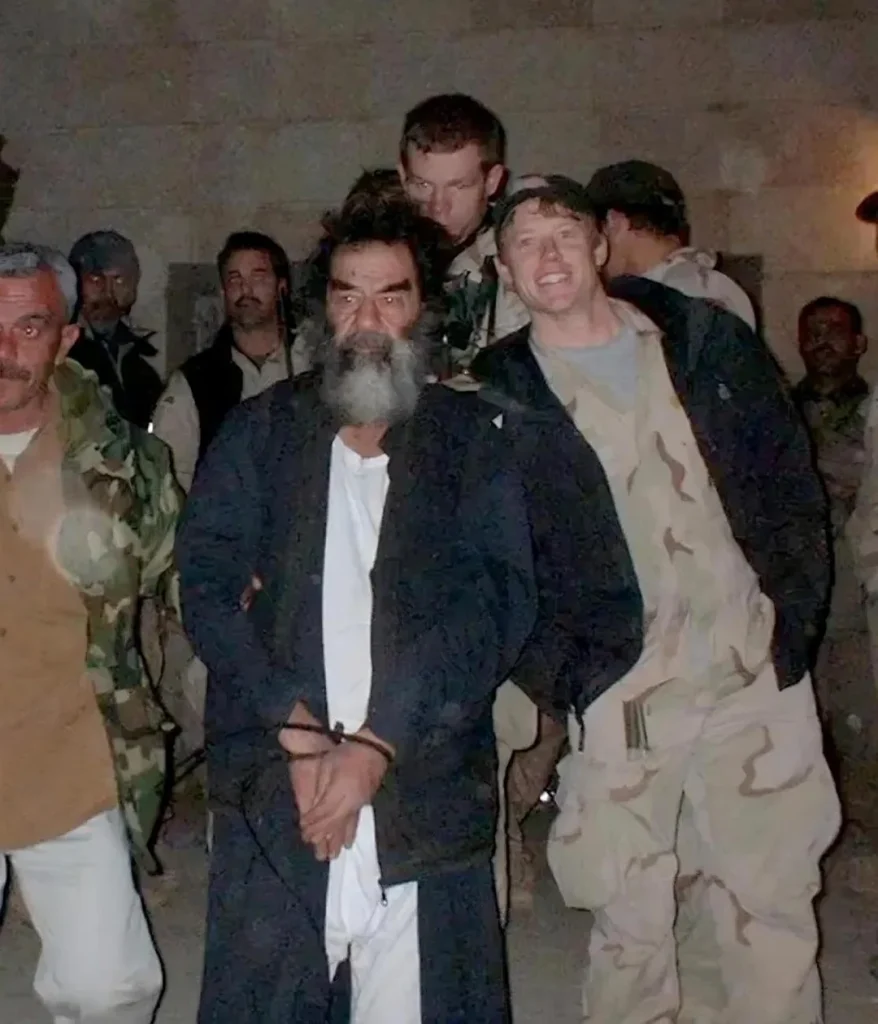
His capture marked a pivotal moment in the conflict. It was seen by the United States and its allies as a symbolic victory, though violence in Iraq would continue for years afterward. Saddam was later tried by an Iraqi court, convicted of crimes against humanity, and executed in 2006.
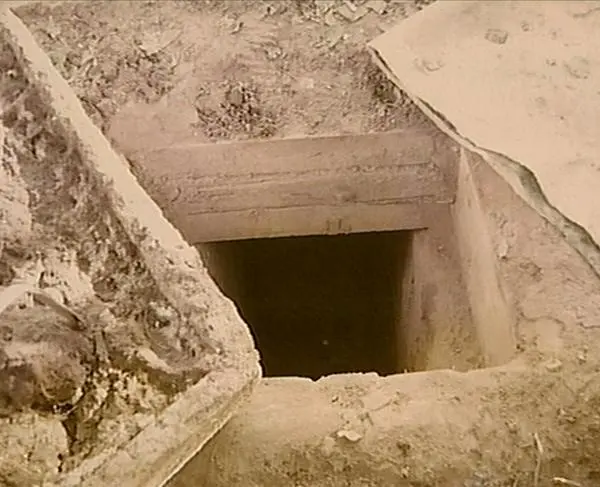
The contrast between the height of his power and the place of his capture remains striking — a reminder of how dramatically fortunes can fall, and how history often turns in the most unexpected settings.