Sealed Chamber Beneath Göbekli Tepe Opened After 12,000 Years Revealing a Remarkable Archaeological Discovery
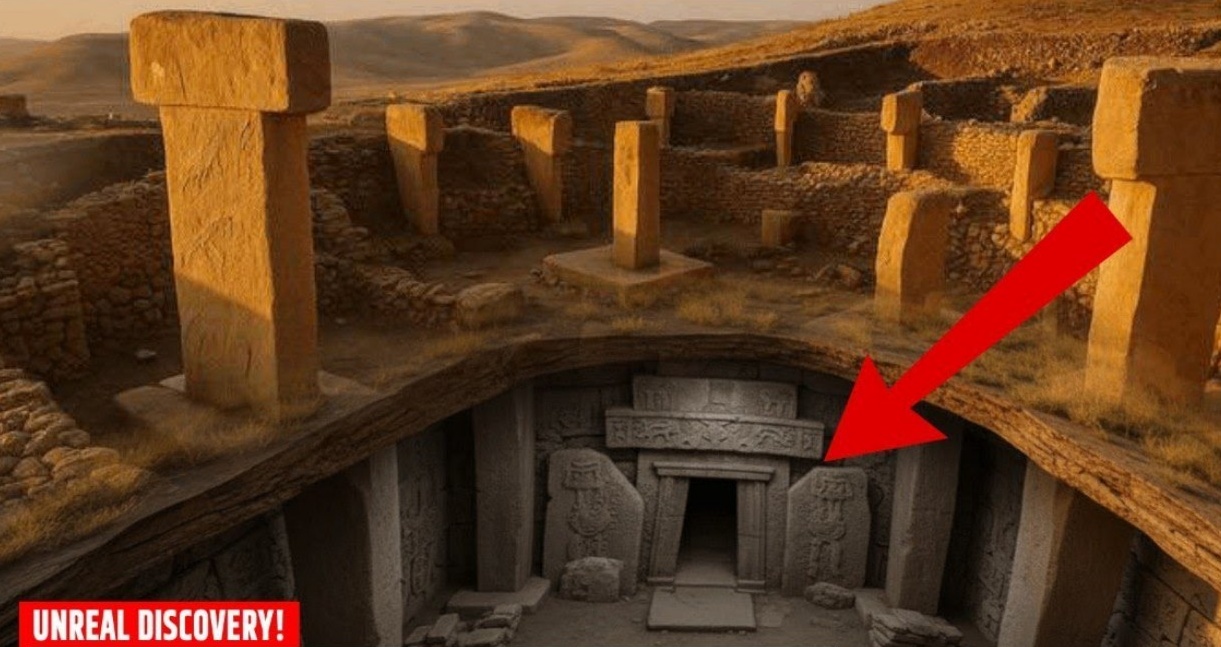
Archaeologists working at Göbekli Tepe, one of the world’s oldest monumental sites, have opened a previously unexcavated “sealed chamber” beneath part of the ancient complex in southeastern Turkey. The discovery has drawn significant public attention, especially as dramatic headlines online suggested the find was shocking or mysterious. In reality, the new chamber offers valuable scientific information while remaining consistent with what researchers already understand about the site.
Göbekli Tepe dates to around 9600 BCE, making it more than 11,000 years old—far older than Stonehenge. Built by hunter-gatherer communities long before the rise of agriculture or cities, the site consists of large circular enclosures made of massive T-shaped limestone pillars carved with animals and abstract symbols.
The newly opened section was described as “sealed,” but archaeologists clarify that in this context, the term refers to areas intentionally filled in by the original builders. Many parts of Göbekli Tepe were deliberately buried with rubble and soil thousands of years ago, a practice scholars still do not fully understand. This controlled backfilling preserved the structures exceptionally well.
Inside the uncovered chamber, researchers found architectural elements typical of the rest of the site: stone building features, pillar bases, carved fragments, and stratified layers of sediment. While the materials may not match the dramatic expectations fueled by viral posts, their scientific importance is considerable. Because this area remained undisturbed since antiquity, it provides a reliable snapshot of the construction and later burial phases.
Archaeologist teams note that even subtle differences in layout or construction can help clarify how Göbekli Tepe developed over centuries. The arrangement of stone fragments, the way fill material was deposited, and the condition of carvings all contribute to understanding the rituals and social organization of the builders.
Göbekli Tepe has long challenged assumptions about early human society. Before its discovery, scholars believed that monumental architecture only emerged after agriculture. The site reversed that model, suggesting that shared belief systems and ceremonial gatherings may have played a role in motivating people to work together—possibly even encouraging early domestication experiments.
The new findings reinforce the idea that the site evolved through multiple phases. Researchers are analyzing the chamber’s contents to determine whether it marks a transition in ritual practices, architectural style, or community structure. Environmental samples, including plant traces or animal remains found within the fill, may also provide clues about seasonal activity or climate conditions.
Experts emphasize that the latest discovery does not indicate the existence of unknown civilizations or unexpected historical revelations. Instead, it supports a growing understanding of the symbolic and social complexity of early human groups. Archaeologists caution that sensational interpretations tend to overshadow the real significance of such discoveries: context.
The precise placement of artifacts, the condition of carved stones, and the structure of layers within a sealed space are essential for understanding the past. They help determine whether pillars were intentionally broken, whether certain materials were placed for ritual reasons, and how communities interacted with the site over time.
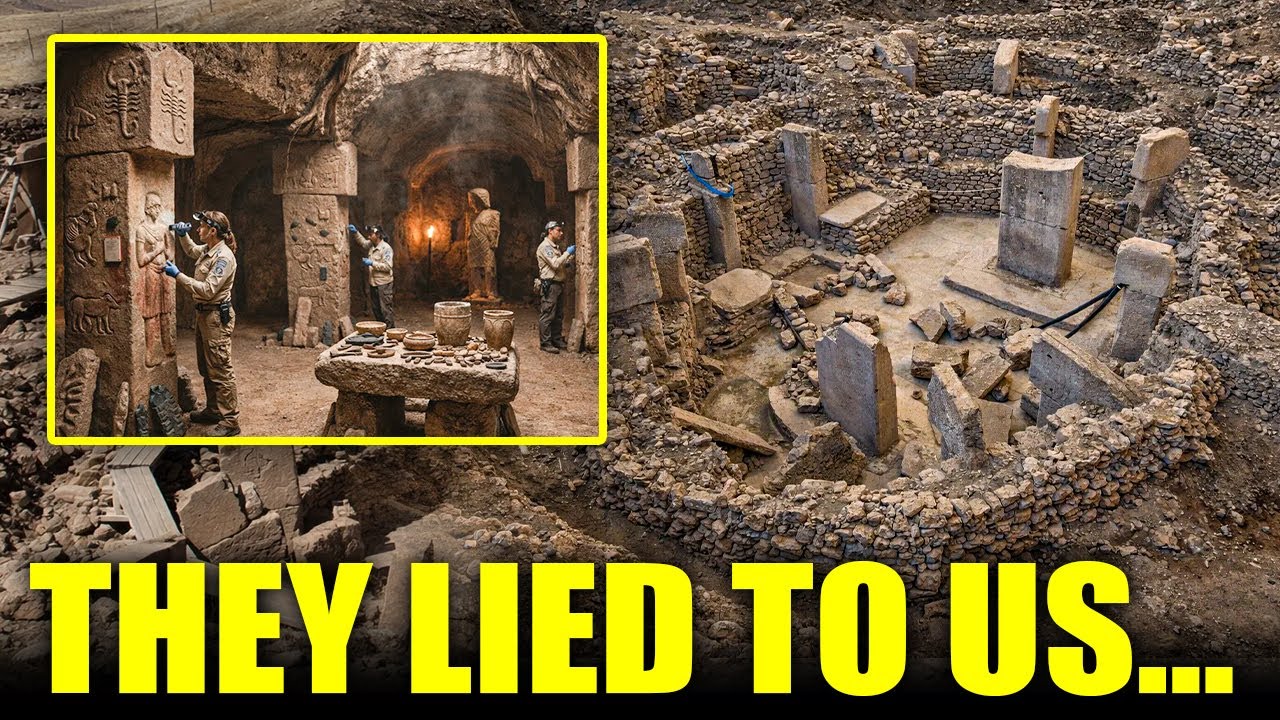
Much of Göbekli Tepe remains unexcavated, and archaeologists intentionally leave sections untouched for future research. The recently opened chamber is just one of many areas that may yield new information in the years ahead.
The ongoing investigation raises enduring questions:
• Why did its builders bury their own monumental enclosures?
• Were these actions symbolic, practical, or part of ritual cycles?
• How did early communities organize the labor needed for such large-scale projects?
• What do the recurring animal motifs represent within their belief systems?
As researchers continue to study the newly opened section, they aim to refine the chronology of the site, explore construction sequences, and better understand the people who built it. Göbekli Tepe remains one of the most important archaeological discoveries of the modern era, revealing that long before the development of cities or advanced tools, humans were capable of sophisticated expression, coordination, and shared purpose.
The opening of this sealed area does not rewrite history in a dramatic moment. Instead, it adds another essential piece to a complex and still-unfolding story about humanity’s deep past.