When the School Bells Fell Silent
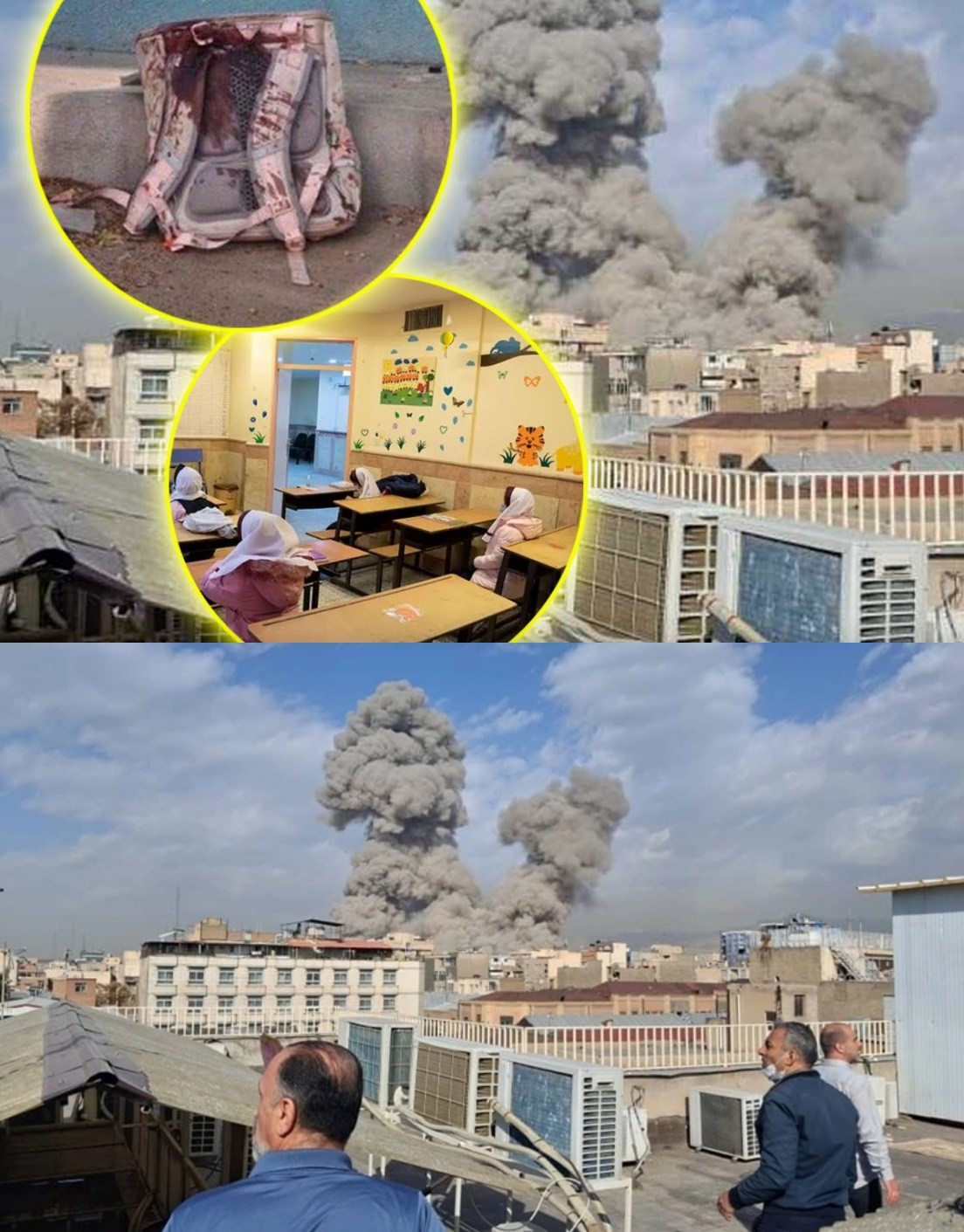
The morning began the way countless others had. Parents straightened backpacks, brushed stray strands of hair from their daughters’ faces, and whispered the usual reminders: Study hard. Be kind. I’ll see you this afternoon. 🏫🎒
But before the clock reached midmorning, normalcy shattered.
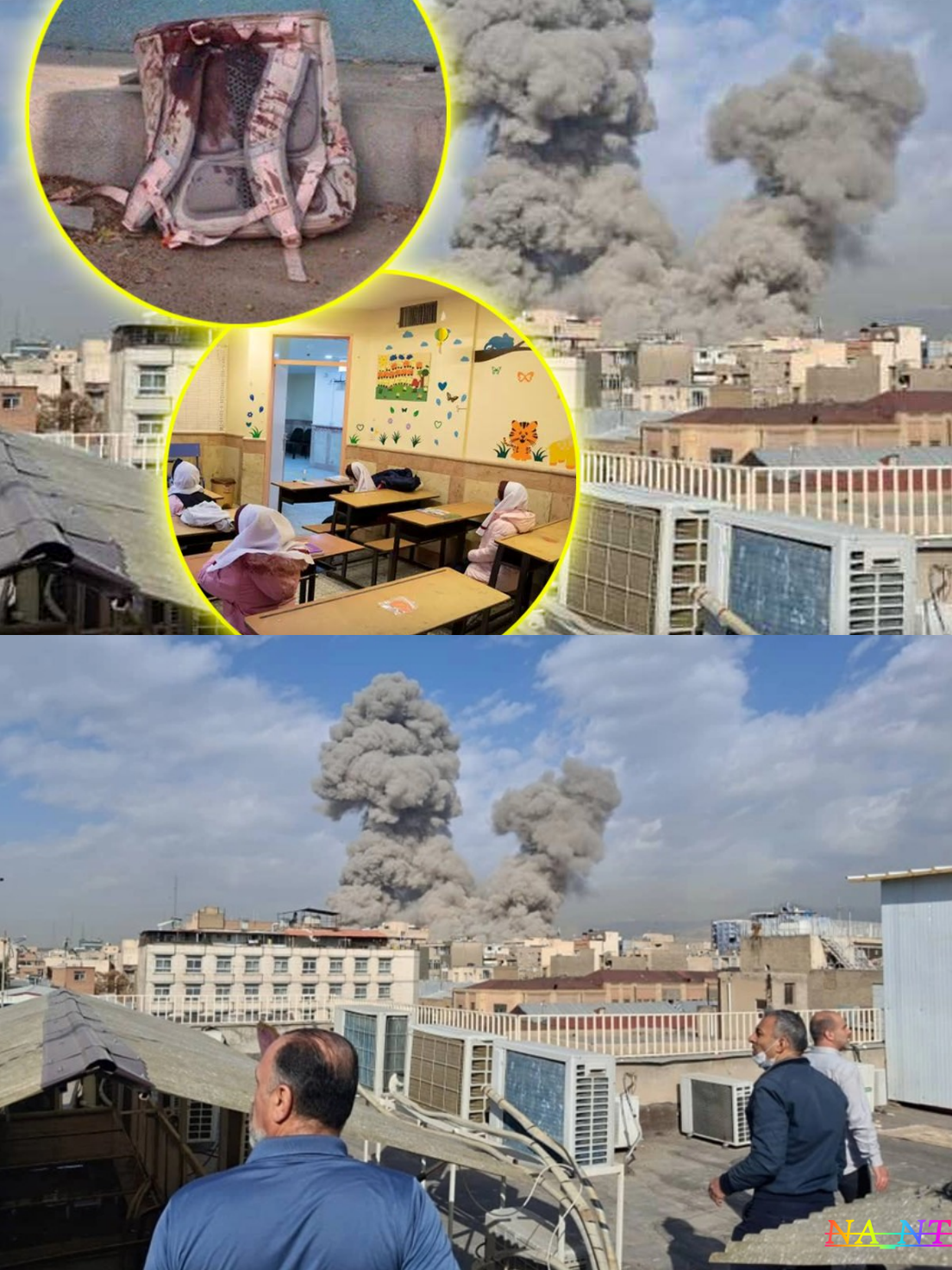
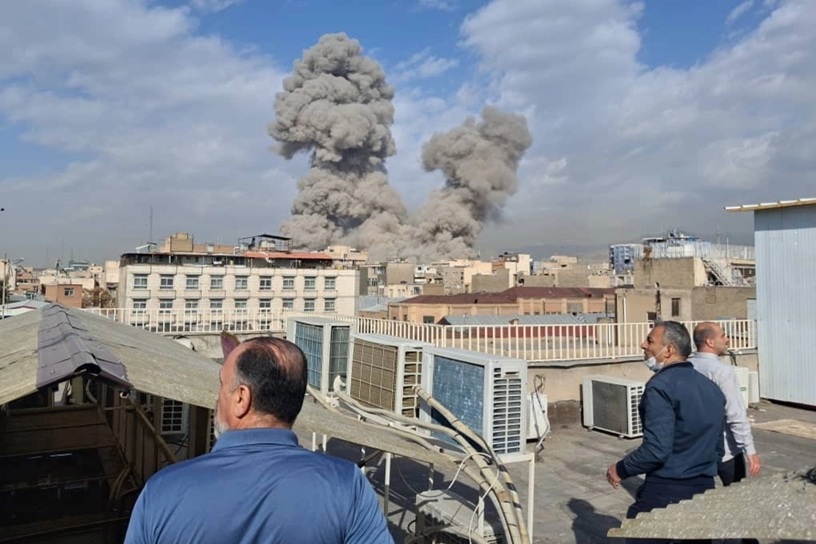
A powerful strike reportedly hit a girls’ elementary school in southern Iran, turning classrooms into chaos and leaving families facing an unthinkable loss. The familiar rhythm of lessons and laughter was replaced by sirens, smoke, and stunned disbelief. What should have been a safe place — a building filled with crayons, chalk dust, and hopeful ambition — became the center of heartbreak. 🔥🕊️
Reports of U.S. and Israeli military activity in the region have intensified the broader geopolitical storm, but beyond the headlines and strategic calculations lies something far more human: children who never imagined their ordinary school day could become their last. These were not political actors or combatants. They were daughters, students, friends — young lives just beginning to shape their futures.
In neighborhoods now cloaked in grief, parents search not only through rubble but through memories — the sound of a favorite song, the unfinished homework still resting on a desk at home. Communities gather in quiet vigils, holding candles against a darkness that feels overwhelming. 🕯️
War is often discussed in terms of territory, alliances, and objectives. Yet moments like this strip away abstraction and reveal the cost carried by ordinary families. When schools become battlefields, the question becomes painfully clear: what kind of future can emerge from such loss?
As smoke drifts across the skyline, grief lingers heavier still. And amid the political tension and unanswered questions, one truth remains impossible to ignore — the innocent bear a burden they never chose.