THREE FLAGS, THREE COFFINS: The American Service Members Whose Deaths Define the Cost of Operation Epic Fury
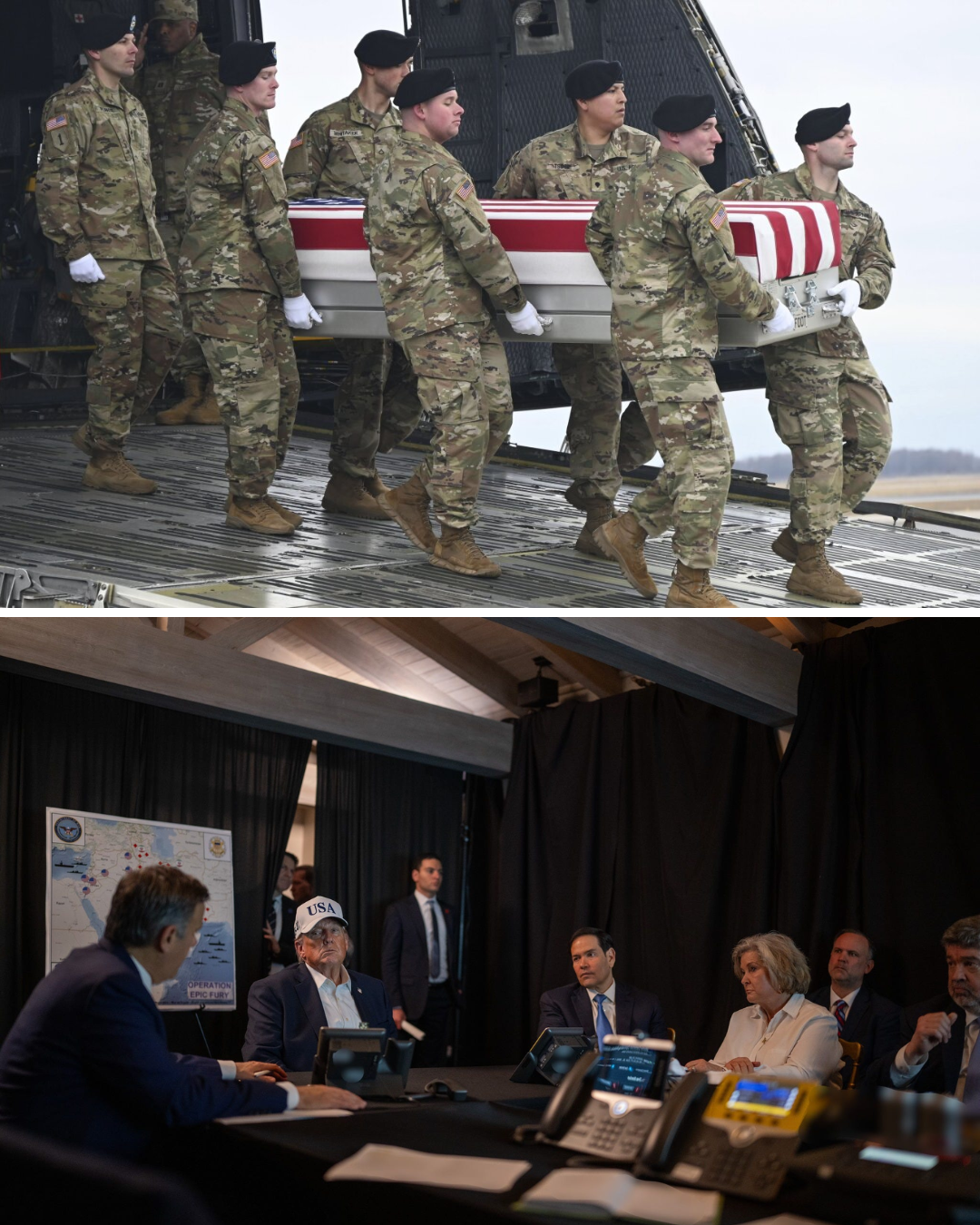
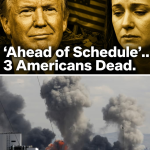
Their names have not yet been fully released to the public. What is confirmed, as of Monday, March 2, is that three United States service members have been killed in Iranian retaliatory strikes on American military installations in the region. They are the first American combat fatalities of a war that began less than 72 hours ago. They almost certainly will not be the last.
In the architecture of modern American political debate about military intervention, service member casualties have a unique and uncomfortable power. They are the data points that transform abstract strategic arguments — deterrence, nonproliferation, regional stability — into the specific, irreducible weight of a family receiving a uniformed officer at their door. Every military campaign in the modern era has included a moment when that weight became politically decisive: the Black Hawk Down incident in Mogadishu, the Beirut barracks bombing, the escalating casualty figures of Iraq and Afghanistan.
Operation Epic Fury is three days old, and it already has three.
The strikes that killed the American service members were part of Iran’s broader retaliatory campaign targeting U.S. military assets across the region. Iran has been unambiguous about its doctrine: any base hosting American forces is, in Iranian strategic thinking, American soil, and therefore a legitimate military target. The U.S. maintains a dense network of installations across the Gulf — in Bahrain, where the Fifth Fleet is headquartered; in Qatar, at Al Udeid Air Base; in Kuwait; in the UAE. All have come under Iranian missile and drone attack in the past 48 hours.
The vulnerability of these bases to Iranian strike packages was not a secret. Military analysts had been warning for years that U.S. basing infrastructure in the Gulf was designed for a pre-Iranian-missile-modernization era. The Islamic Republic has spent the past decade — and particularly the years following the 2020 killing of General Qasem Soleimani — developing precision-strike capabilities specifically calibrated to hold those bases at risk.
The operational reality facing American forces in the region is that air defense, however capable, cannot achieve 100 percent intercept rates against a determined adversary firing hundreds of missiles and drones simultaneously. The mathematics of saturation attacks guarantee that some munitions will get through. Three deaths represent that statistical reality translated into human terms.
Domestically, the political impact will unfold on two tracks. Supporters of the operation will use the deaths as a rallying point, arguing that American service members have paid the ultimate price to eliminate a nuclear threat. Critics — and there are already significant voices on both the political left and the libertarian right questioning the legality and wisdom of the strikes — will argue that the three deaths are the opening installment on a far larger bill, and that the history of U.S. military interventions in the Middle East should give pause before escalating further.
The families of the fallen are, at this moment, navigating the first hours of grief that no official briefing, no flag, and no medal can adequately address. What they have lost is specific, personal, and irreversible. What the nation owes them is, at minimum, an honest accounting of why their family members were placed in harm’s way.
Three flags. Three coffins. The count continues.