THE NUCLEAR ENDGAME: Was the Entire War Built on One Catastrophic Intelligence Assumption?
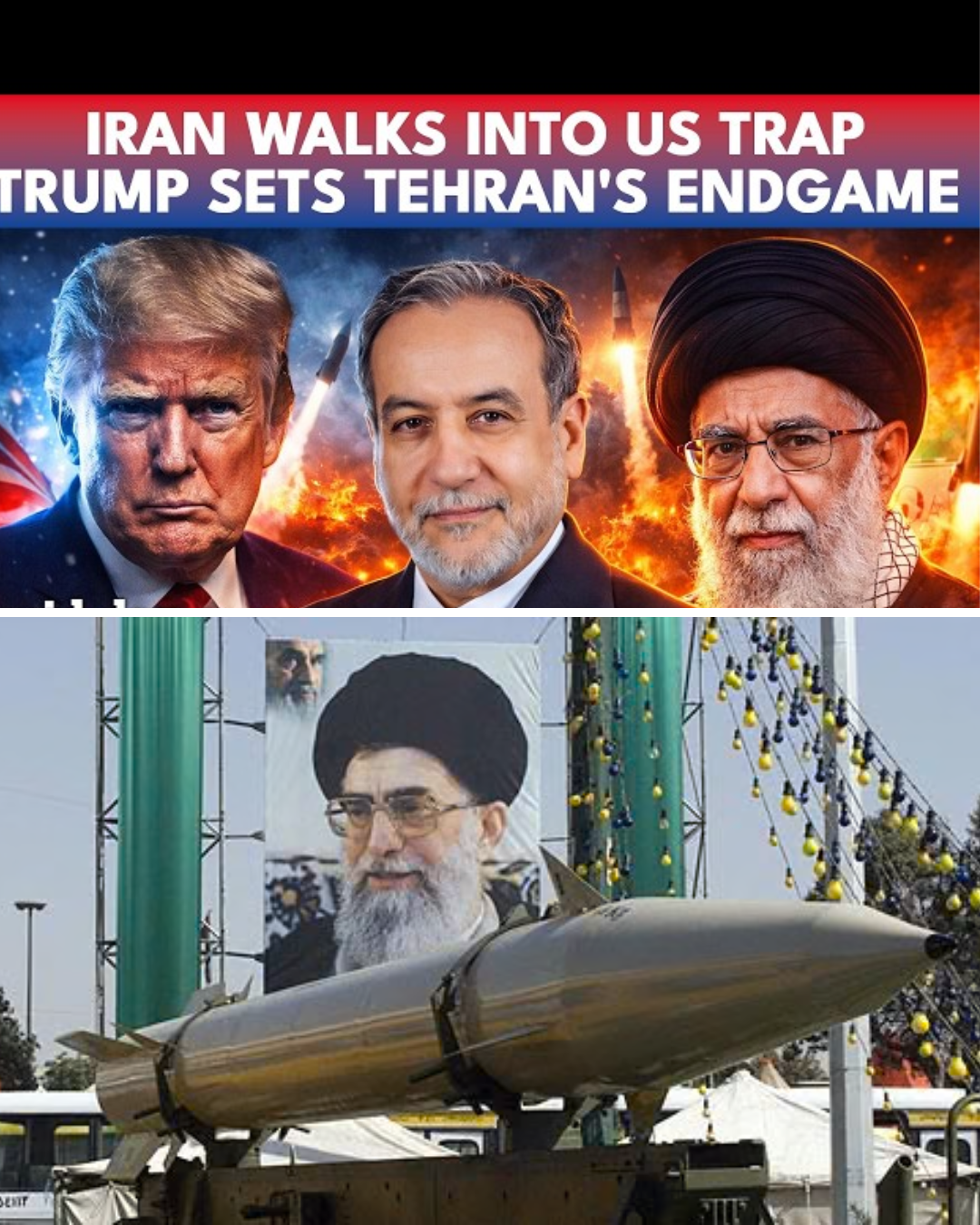
The official justification for Operation Epic Fury rests on a single foundational claim: that Iran had revived, or was imminently reviving, a nuclear weapons program capable of producing deliverable nuclear devices. Without that claim, the legal, moral, and strategic architecture of the entire operation collapses. Which makes the scrutiny of that intelligence claim not merely an academic exercise — it is the central question of accountability for everything that follows.
What remains unclear — and what no official has yet answered definitively in a public forum — is the precise intelligence basis for concluding that Iran had crossed the threshold from a nuclear capability program to an active weapons development program. This distinction matters enormously under international law, under the precedents set by previous U.S. military actions, and under the standards that the United States itself has historically demanded when accusing adversaries of weapons of mass destruction development.
The specter of the 2003 Iraq War hangs over this question like a shadow that refuses to dissipate. In that case, the intelligence community produced assessments of active Iraqi WMD programs that were wrong — catastrophically, consequentially, permanently wrong. The subsequent revelation that the intelligence had been flawed, manipulated, or selectively interpreted remains the single greatest damage to American intelligence institutional credibility in the post-Cold War era.
Iran’s nuclear program is, to be certain, more documented and more advanced than Iraq’s was in 2002. The International Atomic Energy Agency has reported repeatedly on Iran’s enrichment activities, its stockpiles of highly enriched uranium, and the gaps in its cooperation with inspectors. Iran acknowledged enriching uranium to 60 percent purity — below weapons-grade but substantially above civilian nuclear fuel requirements. The IAEA has documented activities that it describes as “possible military dimensions” of Iran’s program.
But there is a meaningful gap between “possible military dimensions” and “imminent nuclear weapons capability.” Multiple assessments, including from allied intelligence services, suggested as recently as late 2025 that Iran had not made the final decision to produce a nuclear weapon — that it maintained a “breakout capacity” while keeping its options open. The question of whether intelligence presented to justify the strikes accurately characterized where Iran stood on that spectrum will define the credibility of the operation for years.
Senate Intelligence Committee members are already demanding classified briefings. Several senior figures in the European intelligence community have, through carefully indirect channels, expressed skepticism about the intelligence threshold that triggered the operation.
The history of intelligence and warfare offers an uncomfortable truth: the moment when leaders are most certain that military action is justified is also the moment when oversight mechanisms that might catch intelligence errors are most likely to be bypassed in the name of speed and secrecy. The CIA’s successful tracking of Khamenei demonstrates extraordinary operational capability. Whether that operational intelligence was accompanied by equally rigorous analytical intelligence about Iran’s actual nuclear status is the question that will outlast the strikes themselves.
If the intelligence was accurate, history will credit a decisive action that prevented nuclear proliferation. If it was not — if Iran was, in fact, a year or more from a weapon, as some assessments suggested — then the world has just paid an enormous price for an assumption. That price, currently measured in hundreds of Iranian dead, three American service members, a destabilized Gulf, and a global oil shock, will continue accruing.
The weapons must be found. Or the question of why the war was started will never receive an acceptable answer.