OPERATION EPIC FURY AND THE LAW OF NATIONS: The International Legal Order Has Not Survived This Week
There is a version of international law that exists in treaties, Security Council resolutions, and the jurisprudence of the International Court of Justice. And there is a version that exists in practice — in the actual behavior of powerful states when they calculate that their interests outweigh the rules. This week, the gap between those two versions has become a chasm.
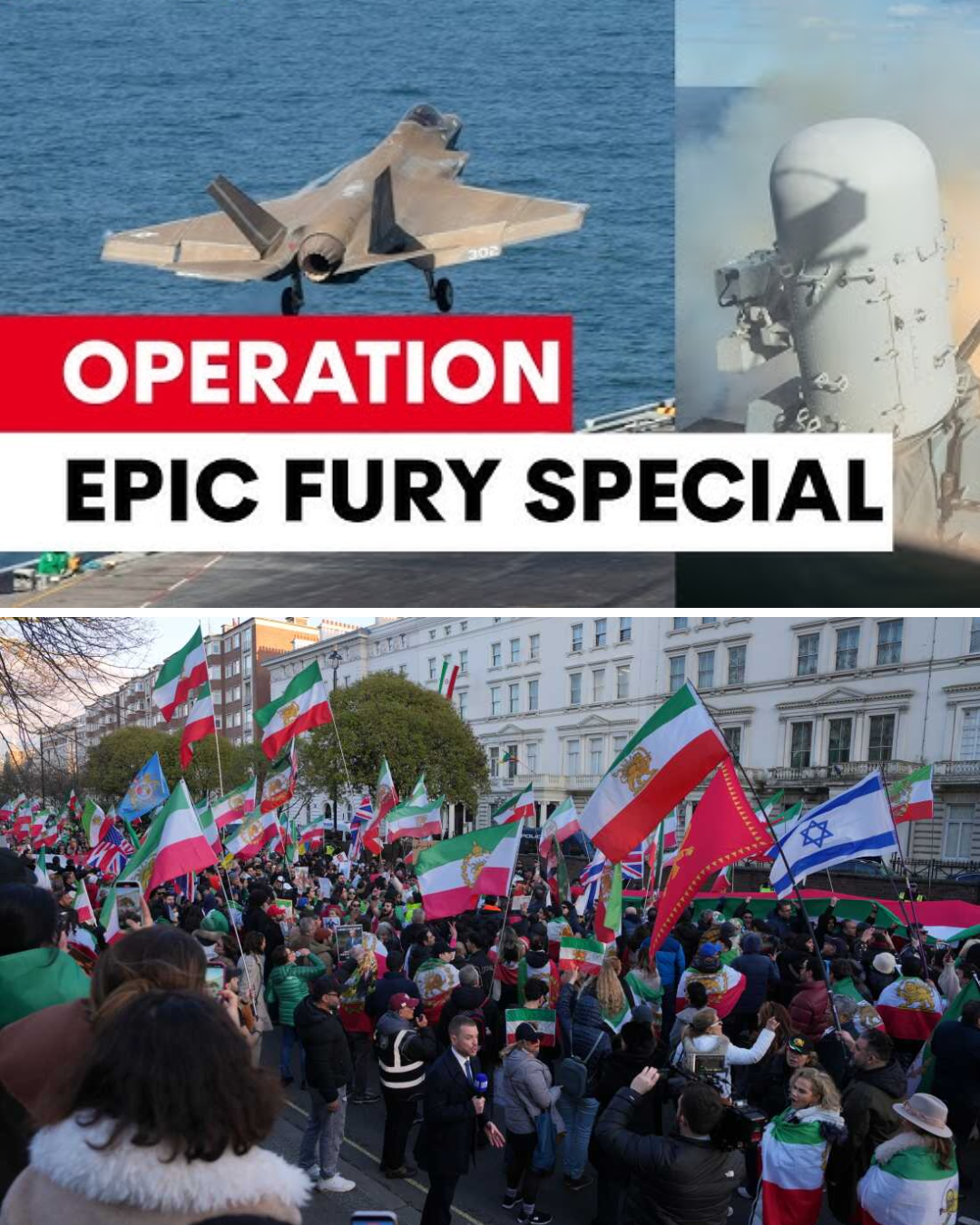
The United States and Israel conducted coordinated military strikes against Iran on February 28, 2026, killing its Supreme Leader, eliminating its military command structure, and hitting hundreds of targets across the country. The strikes were not authorized by the United Nations Security Council. They were not conducted in response to an ongoing armed attack by Iran against the United States. They were, in the language of international humanitarian law, a preventive war — action taken to eliminate a threat before it materializes.
Preventive war is illegal under the UN Charter. Article 2(4) prohibits the use of force against the territorial integrity or political independence of any state. Article 51 permits self-defense only in response to an “armed attack.” The Caroline doctrine — a 19th-century precedent incorporated into modern international law — permits pre-emptive action only where the threat is “instant, overwhelming, leaving no choice of means and no moment for deliberation.” Iran had not launched an armed attack on the United States. It had a nuclear program that the U.S. characterized as threatening. The legal distance between those two facts is vast.
The joint statement issued by a coalition of Middle Eastern nations affirmed “their right to self-defense” and condemned Iran’s actions as “a severe escalation.” This framing — presenting the U.S.-Israeli strikes as self-defense rather than aggression, and Iran’s retaliatory strikes as the original escalation — is a masterpiece of narrative inversion that will occupy legal scholars and historians for decades.
Chatham House, the British foreign affairs think tank, published a stinging analysis on the day of the strikes, arguing that the U.S. was “making the use of force the new normal and casting aside international law.” The analysis noted that the strikes set a precedent in which any sufficiently powerful state could claim the right to conduct regime-changing strikes against a nuclear-aspiring adversary. The implications for North Korea, for future disputes involving India and Pakistan, for any nation that perceives an existential nuclear threat from a neighbor, are profound.
Russia and China condemned the strikes. Their condemnations are complicated by their own histories of sovereignty violations, but the legal point they make is not invalidated by their hypocrisy. International law either applies universally or it applies to no one.
More immediately consequential is the precedent for nations currently pursuing or contemplating nuclear programs. The strategic logic of nuclear deterrence — that possessing nuclear weapons makes a state effectively immune from regime-changing military action — has just received powerful empirical confirmation. Iran was targeted precisely because it had not yet crossed the nuclear threshold. No analyst doubts that this lesson has been absorbed in Pyongyang, in Tehran’s surviving corridors, and in any other capital that has ever contemplated nuclear development as a security guarantee.
The paradox is exquisite and terrible: a war fought to prevent nuclear proliferation may have provided the most compelling argument for nuclear proliferation that any non-nuclear state has ever received. The message to the world is stark. If you want to guarantee that the United States will not eliminate your government, acquire the weapon. Iran hesitated. Iran was struck. North Korea did not hesitate. North Korea has not been struck.
The legal order that emerged from 1945 was always fragile, always imperfectly enforced. This week, one of its supporting pillars was demolished. What replaces it — if anything — is the defining question of the coming decade.