THE LIGHTS GO OUT IN EUROPE: How Iran’s Two Drones Knocked Out 20% of the World’s LNG Supply
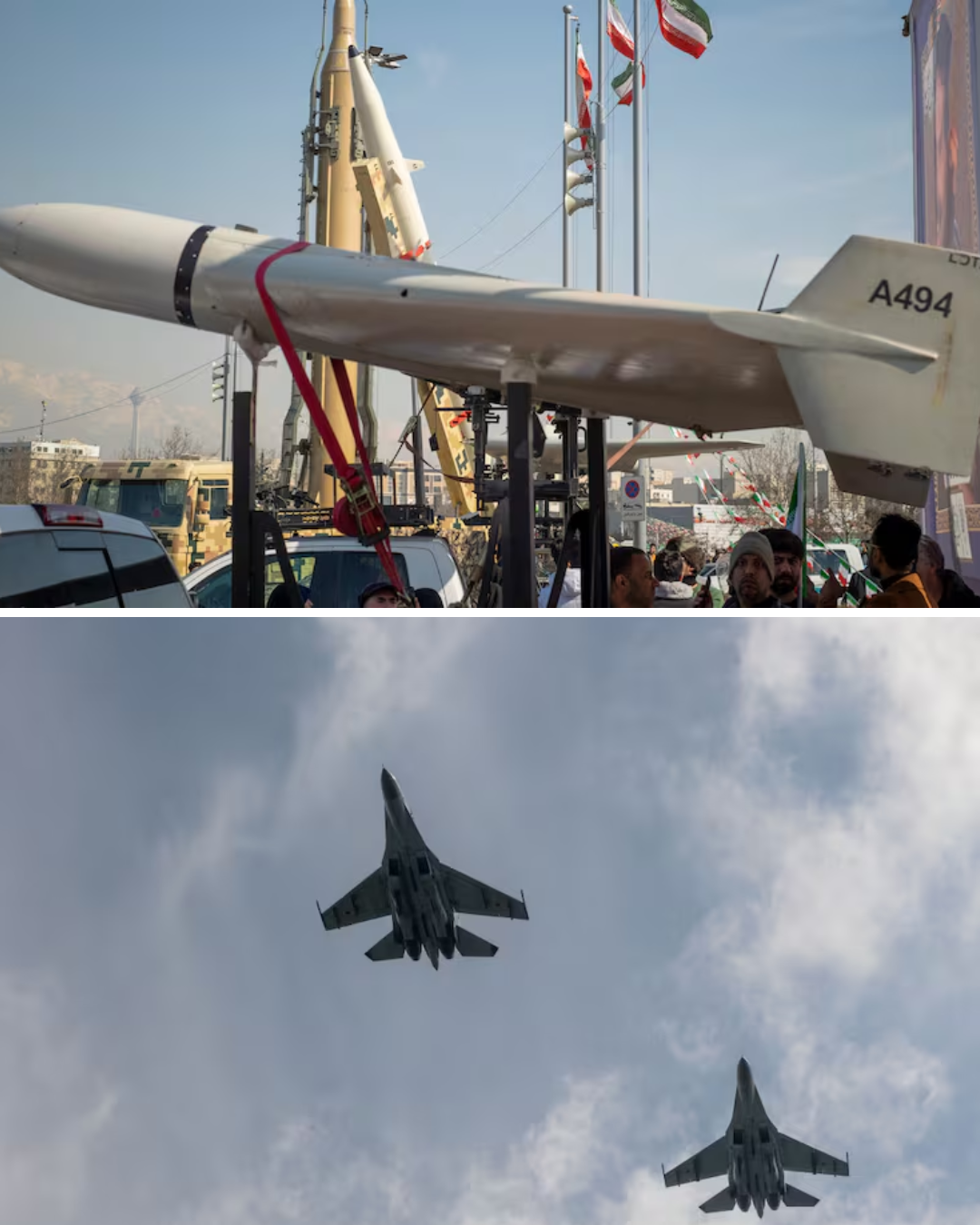
It took two drones. Not a missile barrage, not a naval blockade, not a coordinated military campaign spanning hundreds of aircraft. Just two unmanned aerial vehicles, launched from Iranian territory, aimed at industrial facilities in the small Gulf state of Qatar. The result was the single most consequential energy event of the 21st century: the total suspension of QatarEnergy’s liquefied natural gas production — a decision that instantly eliminated 20 percent of the world’s LNG export capacity.
The drones struck with surgical precision. One targeted a water tank at a power plant in Mesaieed Industrial City. The second struck an energy installation at Ras Laffan Industrial City — the sprawling facility that houses the infrastructure behind Qatar’s gas empire. No human casualties were reported. The physical damage may have been limited. But QatarEnergy’s Monday morning statement was unambiguous: production of liquefied natural gas and all associated products had ceased. The world’s largest LNG producer had gone dark.
The global impact was instantaneous and brutal. European natural gas futures surged. Asian LNG spot prices spiked to levels not seen since the energy crisis of 2022. Energy traders in London, Amsterdam, and Tokyo stared at screens showing numbers that previously would have been classified as extreme scenarios in war-game simulations. They were not simulations anymore.
To grasp the scale, consider the geography of Europe’s energy dependency. After Russia’s 2022 invasion of Ukraine and the subsequent destruction of the Nord Stream pipelines, Europe spent three years scrambling to replace Russian pipeline gas with LNG. Qatar was central to that solution. QatarEnergy signed long-term contracts with British, German, French, Italian, and Dutch utilities. Those contracts delivered the physical gas that kept European homes heated and factories running through three consecutive winters. Those deliveries are now suspended with no timeline for resumption.
The timing compounds the crisis. Europe is in the final weeks of its heating season, and storage levels — while adequate — are not unlimited. More importantly, contracts for summer refilling of storage facilities that were expected to draw heavily on Qatari LNG are now in jeopardy. If QatarEnergy’s suspension extends beyond weeks, European storage entering next winter will be below the levels that buffer against price spikes and supply shortfalls.
Saudi Arabia’s simultaneous shutdown of certain operations at the Ras Tanura refinery — the world’s largest oil export terminal, damaged by an Iranian drone strike — added another dimension to the energy shock. Ras Tanura is not just a refinery; it is the throughput point for a significant share of Saudi crude exports to Asia. Its partial shutdown, even described as “precautionary” by the Saudi Energy Ministry, rippled through oil futures markets that were already pricing in Strait of Hormuz closure risk.
Qatar occupies one of the more uncomfortable geopolitical positions in this conflict. As host to Al Udeid Air Base — the largest U.S. military installation in the Middle East, home to the Combined Air and Space Operations Center — Qatar has been a crucial operational hub for American military activity in the region. Iran’s attack on Qatari energy infrastructure is a direct message: proximity to American power makes a country a target, regardless of how carefully Qatar has cultivated balanced relationships with both Washington and Tehran over the years.
Iran’s strategic calculus in striking Qatar’s LNG infrastructure is not difficult to decipher. Every dollar that natural gas prices rise in Europe is a dollar of pressure on European governments to demand de-escalation, to question the wisdom of their support for the American operation, and to calculate whether alliance with the United States is worth the economic devastation that Iran can impose on their populations through its proximate ability to disrupt global energy flows.
Two drones. Twenty percent of global LNG supply. The math of asymmetric warfare has never been stated more clearly.