THE OMAN BACK-CHANNEL: Is There a Secret Diplomacy Running Parallel to the Bombs?
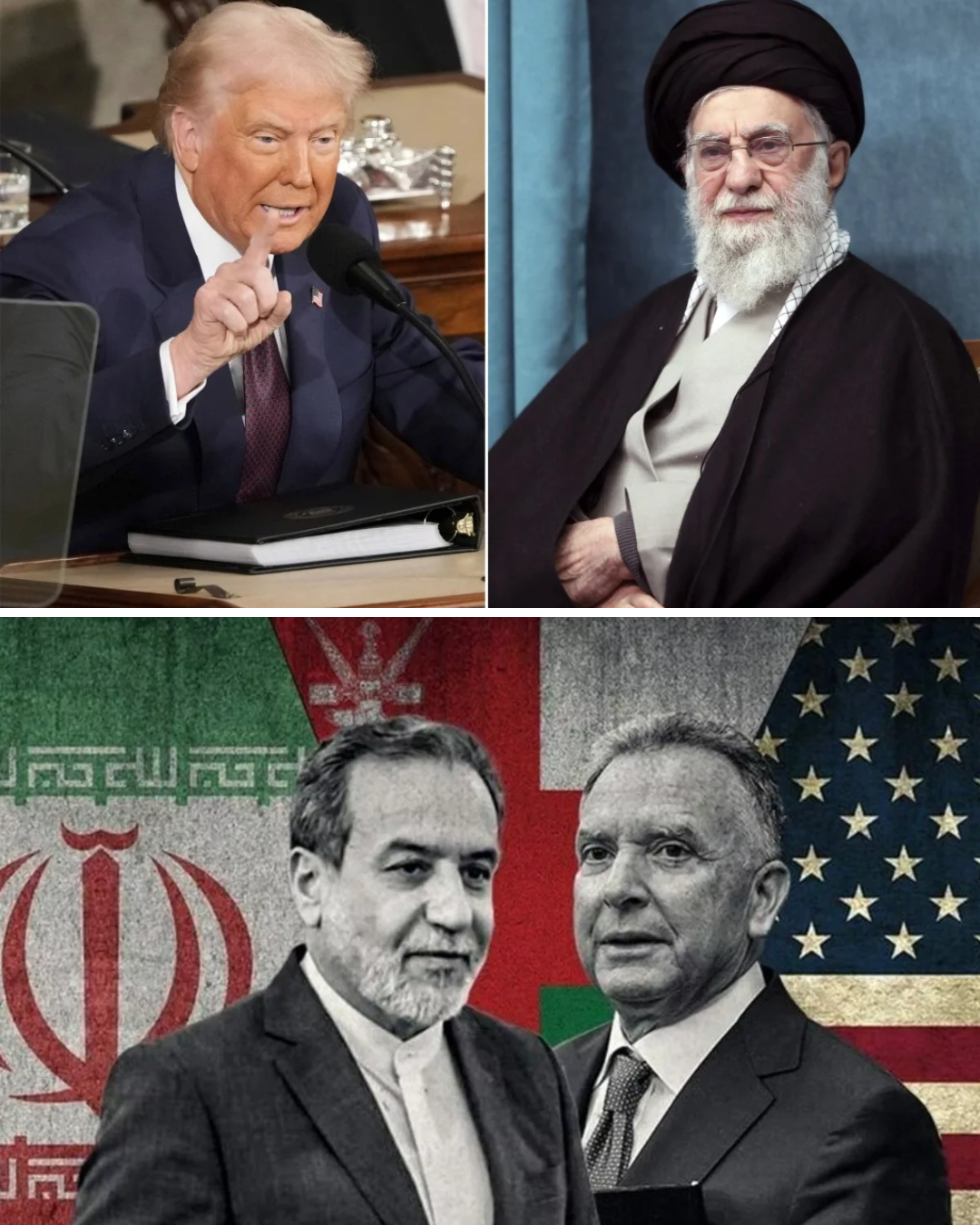
Every major Middle Eastern crisis of the past four decades has had an Oman dimension. The Sultanate, perched on the southeastern corner of the Arabian Peninsula, has maintained diplomatic relations with Iran when every other Arab state severed them. It hosted the secret back-channel talks in 2012 and 2013 that laid the groundwork for the 2015 Joint Comprehensive Plan of Action — the Iran nuclear deal. It has facilitated prisoner exchanges, hosted indirect negotiations, and served as the quiet room where parties who cannot speak publicly find ways to communicate.
The question that diplomats, intelligence professionals, and conflict analysts are all asking in the first 72 hours of the Iran-U.S. war is not whether Oman will be involved in eventual de-escalation. It is whether Oman is already operating a back-channel that nobody is publicly acknowledging.
The circumstantial evidence for ongoing quiet diplomacy is substantial, if necessarily speculative. Secretary of State Marco Rubio was scheduled to brief Congressional leaders on Monday afternoon — a briefing that, in its framing, was described as an information session rather than a request for authorization, suggesting the administration regards itself as operating within existing legal frameworks. The framing also suggests an administration that is managing political communications around a conflict it expects to continue, not one that is preparing for an immediate off-ramp.
Yet other signals cut in the opposite direction. The U.S.-Iran nuclear talks that ended in Geneva on February 26 — just two days before the strikes — were described by Reuters as showing “potential signs of progress.” That description, from a typically cautious wire service, is not meaningless. It suggests that negotiators on both sides were not simply going through the motions when the bombs began to fall.
Iran’s Supreme National Security Council secretary Ali Shamkhani was killed in the initial strikes. He was, among other things, one of the key architects of the Geneva negotiations. His death removes from the equation one of the individuals who had both the authority and the institutional memory to conduct the kind of nuanced back-channel diplomacy that de-escalation would require. The loss of Shamkhani is therefore not merely a military decapitation; it is a diplomatic one as well.
The IAEA’s Rafael Grossi, addressing the Board of Governors on Monday, specifically emphasized that “diplomacy remains the only sustainable path forward.” His statement was not directed at the abstract — it was a message to the parties that the technical body responsible for monitoring nuclear compliance remained available as an institutional channel, and that the Geneva framework, however damaged, had not been formally abandoned.
Oman itself has been struck by Iranian missiles in the current conflict, making its traditional position of managed neutrality more difficult to maintain. But Omani diplomats are professionals of extraordinary subtlety, and the historical record suggests that being struck by Iranian missiles has not historically prevented Muscat from simultaneously hosting Iranian envoys behind closed doors.
The bombs are loud. The negotiations, if they are happening, are quiet. In every previous Iran crisis, it was the quiet room that mattered most.