FRANCE, GERMANY, AND THE RELUCTANT COALITION: Europe’s Most Consequential Decision in a Generation
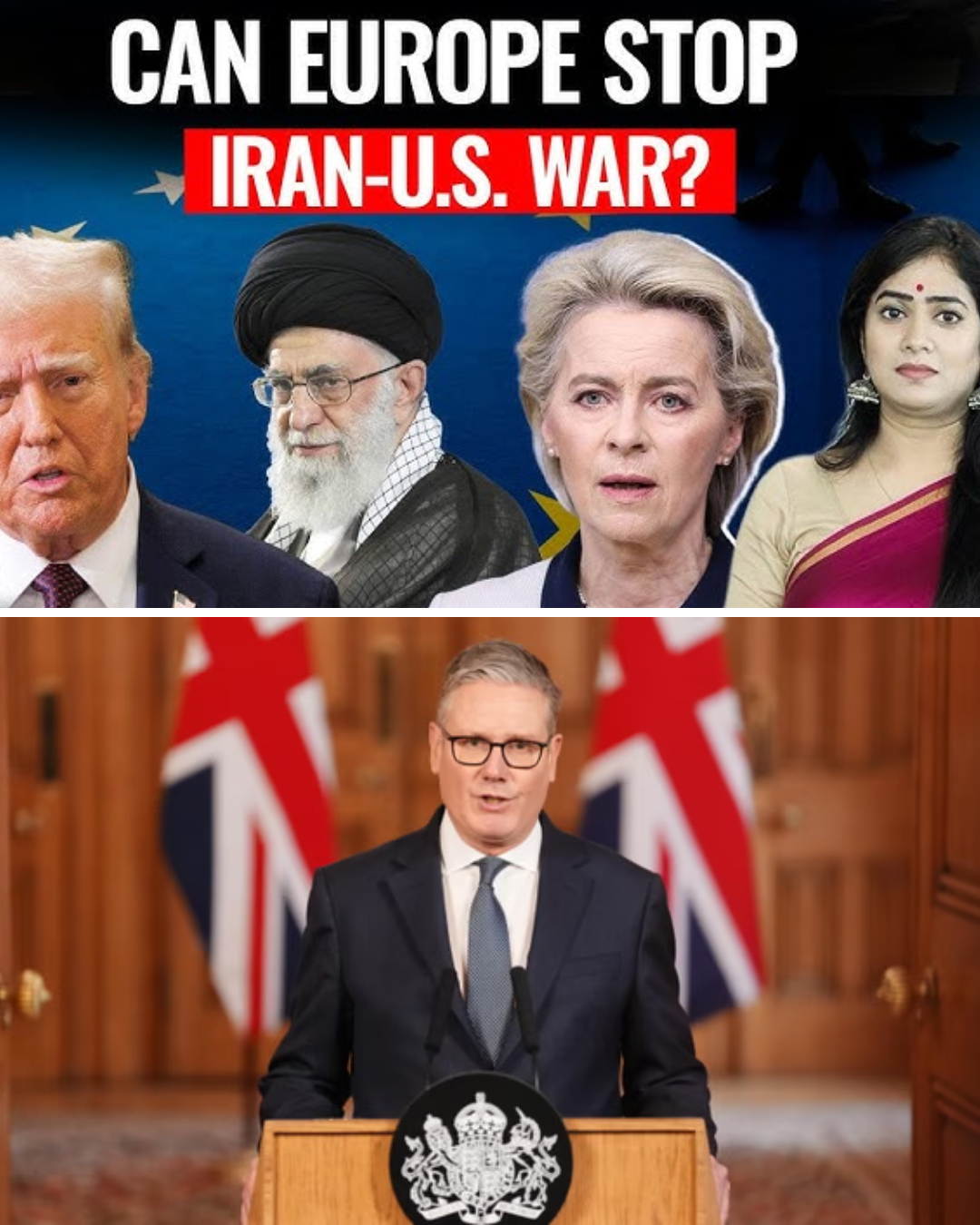
They did not want to be here. The European Union’s foreign policy architecture is built around the premise that diplomacy, multilateralism, and rule-based international order are both morally superior and strategically effective alternatives to military force. For three years, Europe’s major powers had maintained — with varying degrees of conviction — the position that a negotiated settlement with Iran on nuclear issues was achievable and preferable to military confrontation.
That position ended with a joint statement from the United Kingdom, France, and Germany on Sunday, declaring that the three nations would “take measures to safeguard the interests of our citizens in the region, potentially by facilitating necessary and proportionate defensive actions to dismantle Iran’s capability to launch missiles and drones at their origin.”
Parse the language carefully. “Potentially by facilitating” is diplomatic hedging — it allows each government to maintain ambiguity about precisely what actions are being authorized. “Necessary and proportionate” is international law boilerplate that serves as cover for a wide range of military activities. “Dismantle Iran’s capability to launch missiles and drones at their origin” is a direct military objective: the destruction of Iranian missile infrastructure. The three-nation statement is, in substance if not in form, a declaration of European military alignment with Operation Epic Fury.
The political consequences in each country are immediate and severe. In France, President Macron — who has positioned himself throughout his tenure as the indispensable intermediary between the United States and its adversaries — faces accusations from the left that he has abandoned France’s traditional role as a diplomatic counterweight to American unilateralism. In Germany, the statement triggers a constitutional debate: Germany’s Basic Law contains significant restrictions on military operations outside NATO’s collective defense framework, and “facilitating” strikes against Iran falls into precisely the gray zone that German constitutional lawyers spend careers debating.
The United Kingdom’s position is the most explicit. Prime Minister Starmer authorized U.S. use of British military bases, and British aircraft are actively participating in defensive operations against Iranian missiles. Britain is not a bystander providing political support; it is a participant providing physical infrastructure and active military assets. The domestic political consequences — already manifesting in Labour party divisions — will define Starmer’s premiership in ways that his economic agenda never could.
For Iran, the expansion of the coalition is both expected and strategically significant. It confirms Tehran’s narrative that the Islamic Republic faces an existential assault by the Western world collectively, not merely a bilateral dispute with the United States and Israel. That narrative serves Iranian internal cohesion in the short term — it replaces the complex politics of a divided, economically exhausted society with the simpler politics of national survival against an external enemy.
The question Europe now faces is whether it has the strategic coherence to follow through on the implications of its statement. Military action, once commenced, creates its own logic of escalation and commitment. The European powers entered this conflict as reluctant third parties; their statement suggests they may exit it as full belligerents.
History will record that France, Germany, and Britain made their position clear on March 1, 2026. Whether they understood what they were choosing to be part of is the question that their successors — and their historians — will spend decades answering.