THE MORNING AFTER IN TEHRAN: What It Feels Like When the Bombs Are Falling on the Other Side
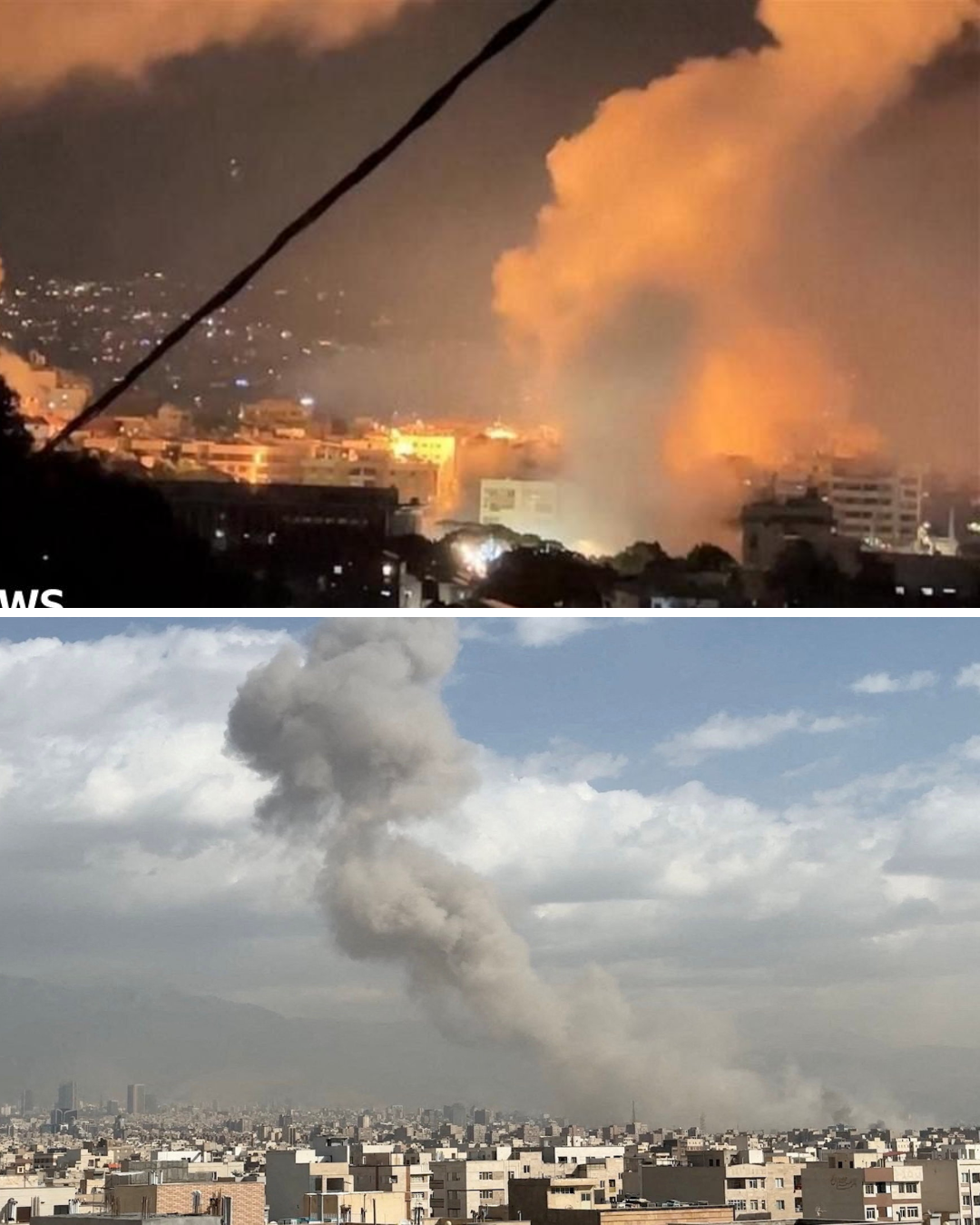
The dispatches are fragmentary, filtered through censorship and interrupted communications, arriving in the outside world through messaging apps and diaspora networks and the occasional foreign journalist who has managed to maintain a position inside Iran. They are not comprehensive. They are not statistically representative. But they are among the most important data points of this entire conflict, because they capture something that satellite imagery and kill-chain analysis cannot: what it means to be a civilian in a country that is being bombed.
In Tehran’s Niloofar Square, on the morning of March 2, 20 civilians were killed in a strike. Niloofar Square is not a military installation. It is a public urban space in one of Tehran’s residential neighborhoods. The strike killed ordinary people — the kind of people who have, in many cases, spent years protesting against the very government that has brought this war upon them. The previous years’ protests — the “Woman, Life, Freedom” movement, the labor strikes, the student uprisings — drew heavily from the same urban population now dying under American and Israeli bombs.
The emotional and moral complexity of this reality is one that Western media has struggled to articulate cleanly. The Iranian government is, by any objective measurement, a repressive theocracy that has killed thousands of its own citizens for demanding freedom. The people of Iran are not the government of Iran. Both things are simultaneously true, and both truths are being honored in the breach by missiles that cannot distinguish between regime infrastructure and the apartments where young Iranians live.
The Iranian Red Crescent confirmed over 100,000 rescue workers on high alert across the country. Hospitals in strike-affected cities report overwhelming trauma caseloads. The medical system — already degraded by decades of sanctions that restricted medical equipment and pharmaceutical imports — is under stress that it was never designed to absorb.
In the diaspora — in Los Angeles, in London, in Toronto, in Dubai, in the Persian-speaking neighborhoods of cities across the world — the response to the strikes is, as one observer put it, “sorrow that doesn’t fit inside any political category.” Millions of Iranians outside Iran have spent years hoping and working for the end of the Islamic Republic. None of them asked for this. The complicated relief that some felt at hearing that Khamenei was dead was immediately overwhelmed by terror for family members whose phones had gone silent.
The Iranian government declared 40 days of national mourning for Khamenei. In some districts of Tehran, the mourning appears genuine; in others, reports filtered through diaspora channels suggest a more ambivalent response — the kind of suppressed, fragile emotion of people who have lived under repression long enough to feel two contradictory things at the same moment.
A Chinese citizen was killed in Tehran during the strikes. China promptly urged all nationals in Iran to evacuate via land routes — a practical instruction that also served as an implicit acknowledgment of the scale of the danger.
The people of Tehran woke up on Monday, March 2, to a city where explosions had become nocturnal background noise, where smartphone access was intermittent, where the political system that had defined their entire lives had just lost its supreme leader, and where the morning news — for those who could access it — offered no comfort and no clarity.
Twenty more were dead in Niloofar Square. The morning after was indistinguishable from the night before.