DUBAI’S NIGHTMARE: Luxury Paradise Turned War Zone — Missiles Raining Over the World’s Most Expensive Hotels
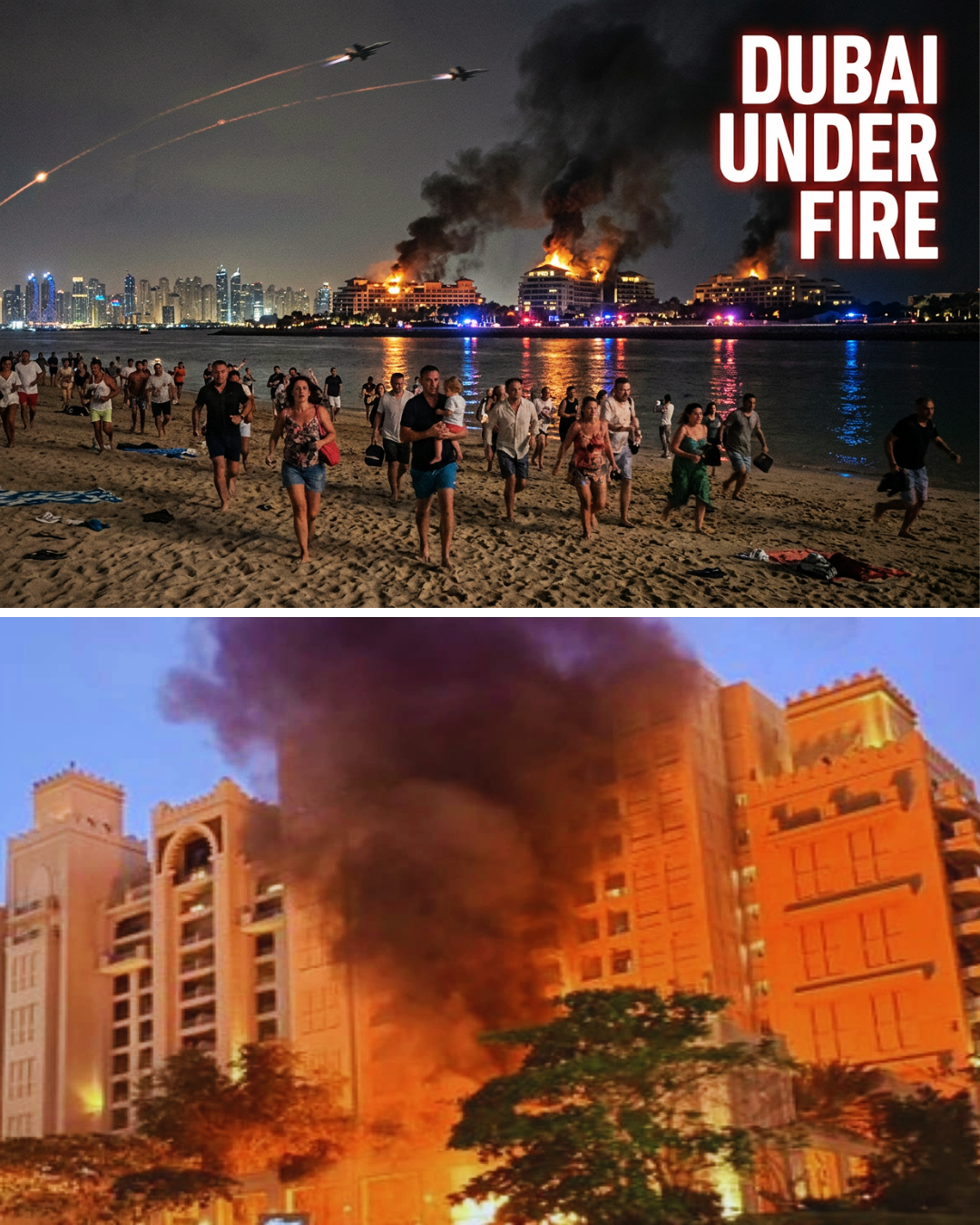
For decades, Dubai sold the world a dream: tax-free income, eternal sunshine, and bulletproof safety in the most luxurious playground on Earth. On February 28, 2026, that dream went up in smoke — literally.
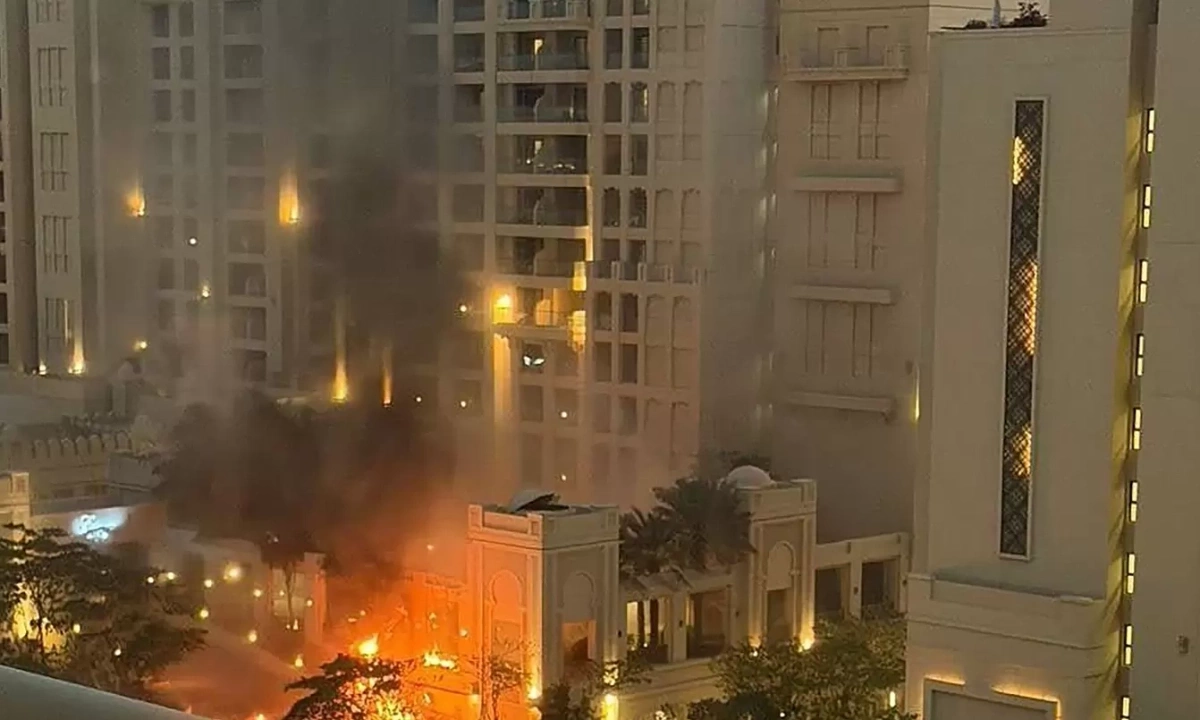
When Iranian missiles and drones rained down on the United Arab Emirates in retaliation for the US-Israeli strikes on Iran, they didn’t just hit military targets. They hit the Fairmont The Palm, one of the most exclusive hotels on the man-made Palm Jumeirah island. They sent debris crashing into the Burj Al Arab, the iconic sail-shaped structure known as the world’s only “seven-star” hotel. They damaged Dubai International Airport, the busiest in the world for international passengers, injuring four staff members and forcing the closure of the global aviation hub.
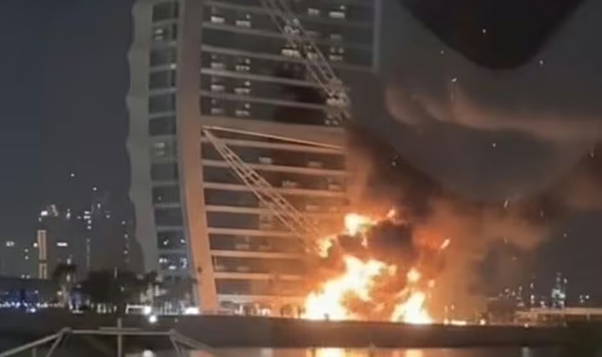
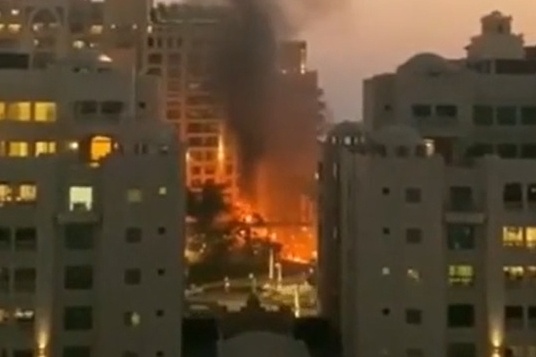
Viral videos flooded social media showing thick black smoke rising over Palm Jumeirah — an image that would have been unthinkable 48 hours earlier. Instead of influencer selfies and poolside cocktails dominating social feeds from Dubai, the world watched in disbelief as missiles lit up the night sky over the city’s most famous landmarks.
The UAE Ministry of Defense confirmed staggering numbers: Iran fired 165 ballistic missiles, two cruise missiles, and more than 540 drones at the country. While most were intercepted by advanced air defense systems, 21 drones hit civilian targets. Three people were killed — all migrant workers from Pakistan, Nepal, and Bangladesh. Not wealthy tourists. Not hotel executives. The people who built Dubai’s gleaming towers and served its champagne brunches.
One British racehorse trainer in Dubai for the Emirates Super Saturday described the surreal scene: watching missiles being shot through the sky while standing in a paddock. Residents described being woken by thunderous explosions during Ramadan, a holy month when many were eating their pre-dawn meals. A Canadian mother of twin six-year-olds recounted her daughters bursting into tears at the sound of explosions directly overhead.
And yet, here is the remarkable twist: most expats say they are staying. A Canadian business owner who has lived in the UAE for 18 years compared it favorably to her earlier life in Iraq. Others pointed to the robust defense systems as evidence that the country remains safe. Some even called it “safer than Toronto.”
But the damage to Dubai’s brand may be incalculable. The city welcomed 19.6 million tourists last year. Abu Dhabi was consistently voted the world’s safest city. That reputation — the very foundation of the Gulf’s economic model — has been punctured by Iranian rockets. One expert from the European Council on Foreign Relations called it “Dubai’s ultimate nightmare,” noting that the city’s essence “depended on being a safe oasis in a troubled region.”
The question now is devastating in its simplicity: if Dubai isn’t safe, where is? The city that promised the world an escape from chaos has just become part of it. Hotels are running on skeleton staff. Schools have switched to remote learning. Flights are grounded. And somewhere in the gleaming towers of Jumeirah, a generation of golden-visa holders is reconsidering the trade-off between zero taxes and zero missile defense.
Is this the end of Dubai’s dream? Or will the city bounce back as it always has? One thing is certain: the social media feeds from the Gulf will never look the same again.