CELEBRATING DEATH: Iranians Dancing in the Streets After Khamenei’s Killing — Why Half of Iran Is Mourning and the Other Half Is Partying
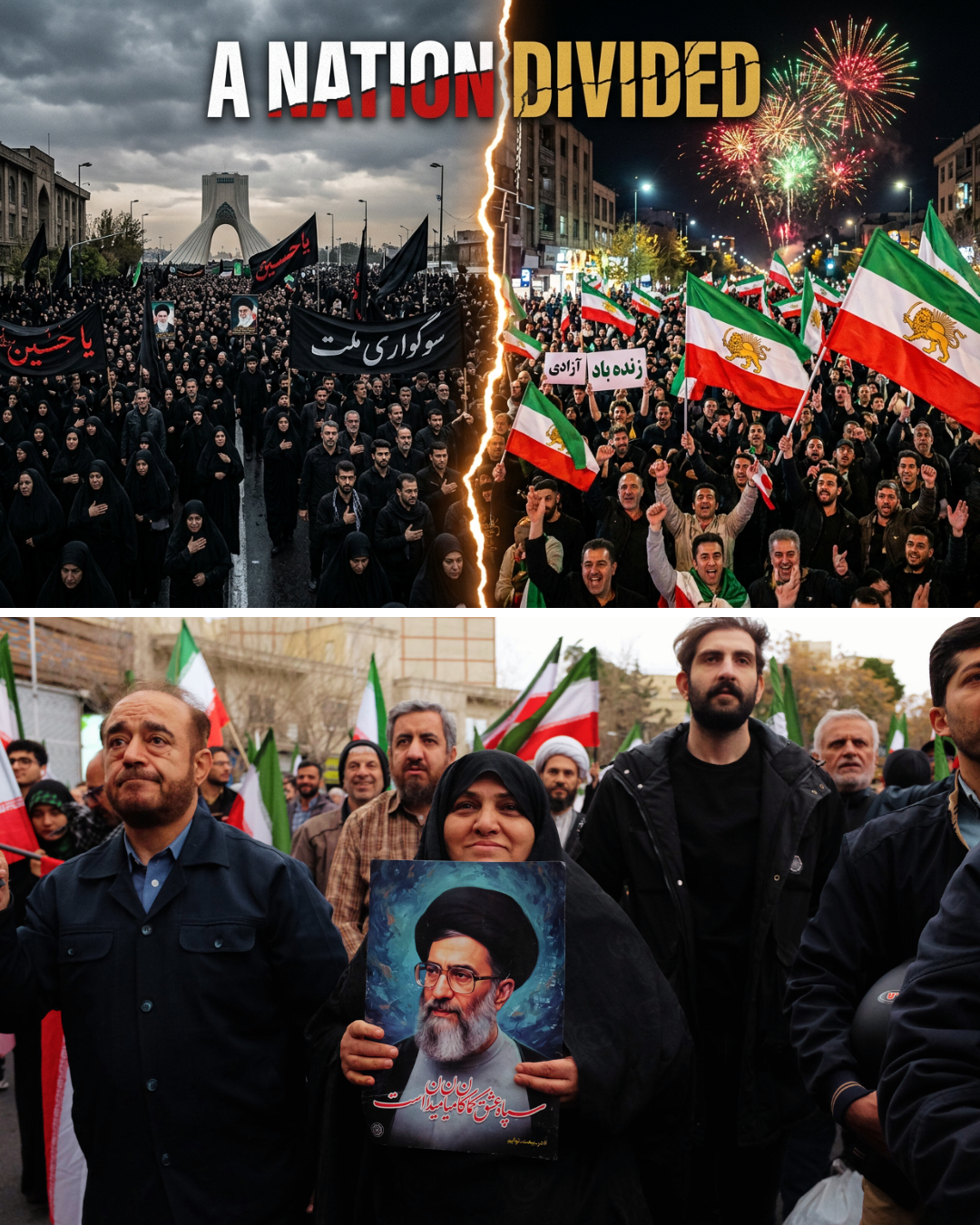
Iran in March 2026 is a country experiencing two realities simultaneously. In Tehran’s Enghelab Square, massive crowds packed the streets to mourn Ayatollah Ali Khamenei as a martyr. In the southwestern city of Yasuj, mourners chanted “the lion of God has been killed.” The grief was genuine, visceral, and vast.
But just miles away, in neighborhoods and cities across Iran, something completely different was happening. Despite an internet blackout designed to prevent exactly this, videos emerged showing Iranians celebrating Khamenei’s death in Karaj, Qazvin, Shiraz, Kermanshah, Isfahan, and Sanandaj. People were dancing, honking horns, and cheering in the streets. In some cases, security forces opened fire on the celebrants.

In southern Iran, a crowd took it further: they toppled a monument dedicated to Ayatollah Khomeini, the founder of the Islamic Republic. That single act — destroying the image of the revolution’s father — tells you everything about the depth of the divide within Iranian society.
Outside Iran, the celebrations were even more dramatic. Iranian diaspora communities around the world held rallies waving the Lion and Sun flag, the pre-revolutionary symbol that the Islamic Republic replaced in 1979. From Los Angeles to London, from Sydney to Berlin, Iranians gathered to celebrate what many see as the beginning of the end of the theocratic regime that has ruled their homeland for nearly half a century.
Reza Pahlavi, the son of the last Shah who lives in exile in the United States, went further than anyone expected. He urged Iranians inside the country to prepare for the Islamic Republic to “collapse,” called on the military and security forces to side with the public rather than the government, and described the US strikes as a “humanitarian intervention.”
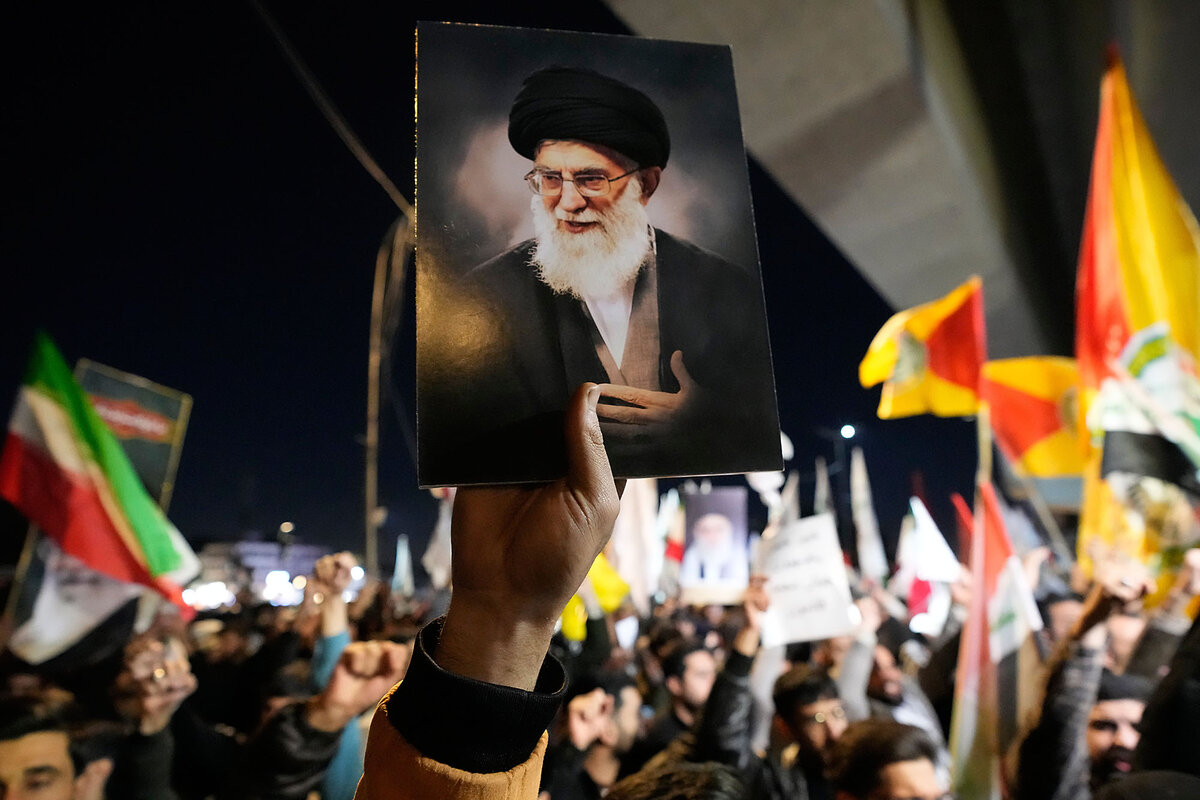
The reactions reveal the deep fractures that the Khamenei regime had spent decades trying to suppress. The 2025-2026 Iranian protests — which Tehran crushed with devastating force, killing thousands of demonstrators — made clear that a significant portion of the population had lost faith in the system. Khamenei’s response to those protests — mass violence against his own people — is one of the reasons the US cited for the military buildup that led to the current conflict.
But the mourning is equally real. Khamenei spent 36 years building a cult of authority. He was not just a political leader — he was the Supreme Leader, a quasi-religious figure whose word was law in a theocratic state. For millions of Iranians, particularly in more conservative and rural areas, his death at the hands of foreign powers is not liberation. It’s sacrilege.
The split is also generational. Younger Iranians, particularly those connected to the outside world through VPNs and social media despite government restrictions, overwhelmingly supported the protest movements of recent years. Older Iranians who lived through the revolution and the Iran-Iraq War carry a more complex relationship with the regime — one shaped by nationalism as much as religion.

The security forces add another dimension. Reports of troops opening fire on celebrants indicate that the IRGC and Basij militias remain loyal to the system — at least for now. Larijani’s warning about “secessionist groups” facing a “harsh response” suggests the regime’s remnants are prepared to use force to maintain control during the transition.
For the rest of the world watching this split-screen of mourning and celebration, the question is profound: what happens when both sides of a divided nation are emboldened at the same time? The mourners want revenge. The celebrants want revolution. And in between, a country is being bombed from the outside while tearing apart from the inside.
Iran has always been more complex than its Western caricature suggests. This week, that complexity has exploded into the open — in tears, in gunfire, in dancing, and in toppled monuments.