QATAR SHOT DOWN IRANIAN JETS: The Tiny Gulf Nation That Just Made the Boldest Military Move in the Middle East
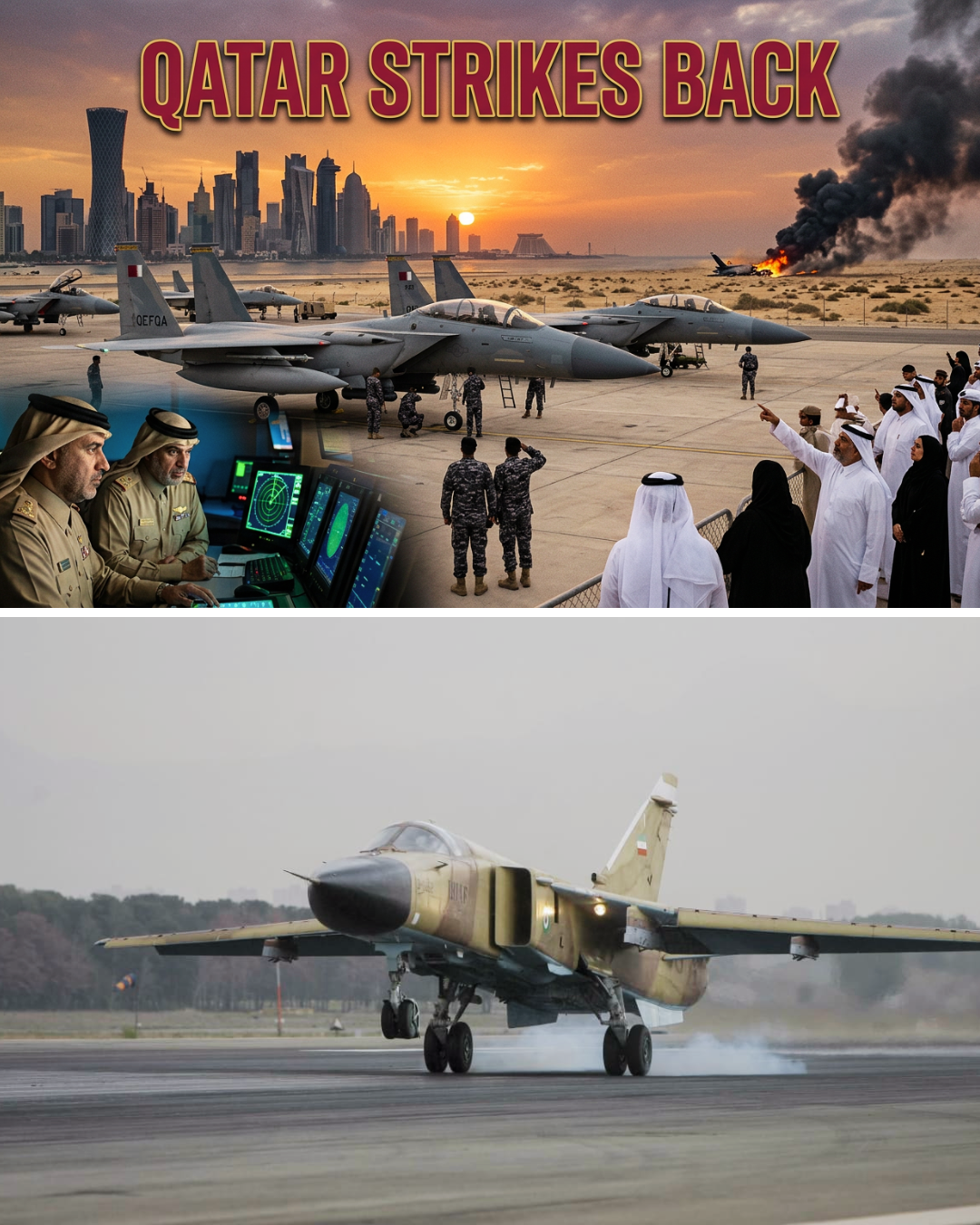
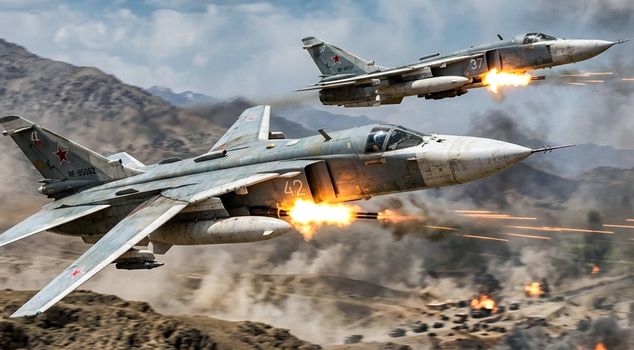
Of all the extraordinary developments in the first three days of the Iran conflict, one stands out for its sheer audacity: Qatar, a nation of fewer than three million people, shot down two Iranian Su-24 bomber aircraft.
Qatar’s Ministry of Defense confirmed on Monday that its forces had destroyed two Iranian military jets — marking the first time any country has shot down Iranian aircraft since the current conflict began. The tiny Gulf state, roughly the size of Connecticut, just made the most aggressive military move of any Gulf nation in the war.
The significance cannot be overstated. Qatar had been one of the most prominent advocates for diplomacy in the lead-up to the conflict. The country hosted negotiations between the US and Iran, with Qatari mediators shuttling between the sides trying to prevent exactly the kind of war that has now erupted. When the strikes began, Qatar’s foreign minister expressed “dismay” and urged Washington not to get “sucked in further.”

But when Iranian missiles started falling on Qatari soil — hitting two energy-related sites, targeting the Al Udeid Air Base where US forces are stationed, and sending 65 missiles and 12 drones toward the country — Qatar made its choice. And it chose to fight.
The decision to shoot down Iranian aircraft represents a point of no return for Qatar’s relationship with Iran. The two countries share the world’s largest natural gas field — the North Field/South Pars reserve that stretches across the border between them. Qatar’s LNG exports, the foundation of the country’s extraordinary wealth, depend on this shared resource. Antagonizing Iran carries real economic risk.
Yet the alternative was worse. When Iranian missiles are hitting your military bases and your energy infrastructure, neutrality becomes impossible. Qatar halted all LNG production. State-owned QatarEnergy was preparing to declare force majeure on shipments. All flights were grounded indefinitely. Schools shifted to remote learning. Public Ramadan gatherings were suspended.
The broader Gulf response tells a similar story of nations forced to pick sides. The UAE, which never wanted this war, saw its most iconic hotels and its busiest airport damaged. It closed its airspace, shuttered its embassy in Tehran, and withdrew diplomats. Saudi Arabia confirmed attacks on Riyadh and its oil heartland in the Eastern Province. Kuwait’s air defenses shot down American jets by accident while trying to intercept Iranian missiles.
What makes Qatar’s situation particularly poignant is the context: just hours before the US-Israeli strikes began, Qatar was mediating peace talks. Oman’s foreign minister had expressed optimism that “peace was within reach” after Iran agreed never to stockpile enriched uranium. And then the bombs fell.
For Iran, attacking Qatar was a strategic calculation — punish the countries hosting US military assets to raise the costs of the American operation. But it may have been a strategic blunder. By attacking the very mediators who were trying to save Iran from this war, Tehran has eliminated its own diplomatic off-ramp.
Qatar’s decision to shoot down Iranian jets also sends a message to every other Gulf state: the era of trying to balance between Washington and Tehran is over. When missiles are falling on your airports and your gas facilities, you pick a side. Qatar chose.

The GCC alliance has condemned the attacks, including the strike on Oman, which was the other key mediator. The diplomatic architecture that might have prevented this conflict — or at least shortened it — has been destroyed by the very missiles Iran launched in retaliation.
For a country that built its international reputation on mediation and diplomacy — hosting the Taliban talks, mediating hostage releases, positioning itself as the Switzerland of the Middle East — shooting down foreign jets is a dramatic departure. But wars have a way of forcing choices that diplomacy cannot.
Qatar went from peacemaker to combatant in 48 hours. And the natural gas field it shares with Iran has never looked more like a ticking time bomb.