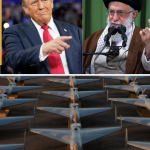
HEZBOLLAH JUST DRAGGED LEBANON INTO HELL: 52 Dead in Beirut as Israel Unleashes Fury — Lebanon’s Own PM Called It ‘Irresponsible’
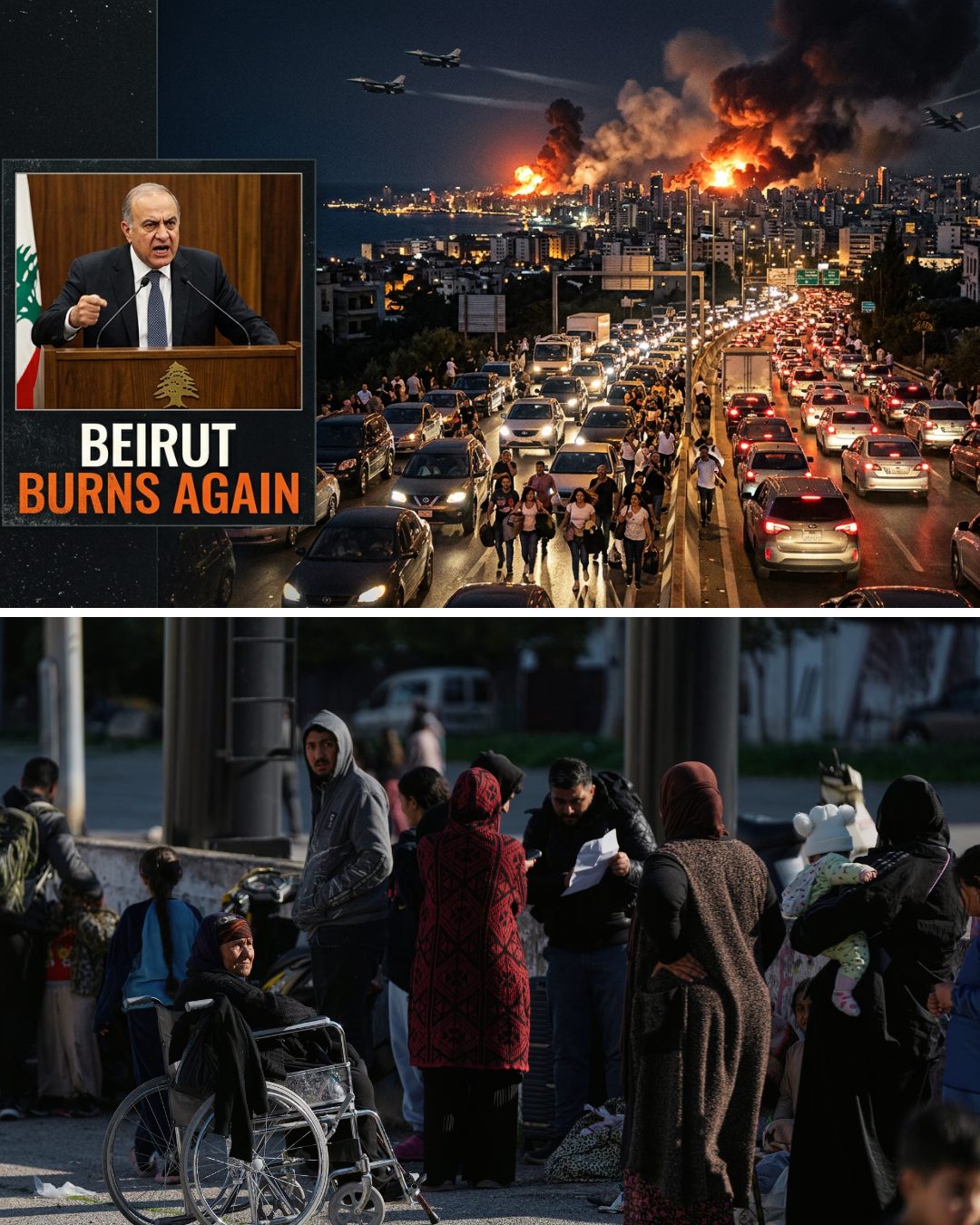
Lebanon woke up screaming at 2:30 in the morning.
A dozen massive explosions rocked the southern suburbs of Beirut on Monday as Israeli jets dropped bombs on Dahiyeh, the densely populated Hezbollah stronghold where hundreds of thousands of civilians live. Windows shattered across the capital. Buildings trembled miles away. Children cried as parents scrambled to pack bags and flee in the dead of night.
Within hours, at least 52 people were dead and more than 149 were injured across Lebanon. Twenty were killed in the Beirut suburbs alone. Eleven more died in southern Lebanon. Families in 55 villages received terrifying Israeli evacuation orders, told to move at least one kilometer from their homes immediately. Bumper-to-bumper traffic choked the roads north out of southern Lebanon as thousands of people fled with whatever they could carry.

And all of this happened because Hezbollah made a choice — a choice that Lebanon’s own Prime Minister called “irresponsible and suspicious.”
In the early hours of Monday morning, Hezbollah launched a barrage of precision missiles and drones at a missile defense site south of Haifa in northern Israel. The group said it was acting in retaliation for the killing of Iranian Supreme Leader Ayatollah Ali Khamenei, calling it “revenge for the blood of the Supreme Leader of the Muslims.” It was the first time Hezbollah had fired at Israel since the ceasefire brokered in November 2024.
Israel’s response was immediate, overwhelming, and indiscriminate in its scope. The Israeli military launched what it called an “offensive campaign” against Hezbollah across the entirety of Lebanon — Beirut, the southern suburbs, the south, and the Bekaa Valley in the east. IDF Chief of Staff Lt. Gen. Eyal Zamir said the campaign would “likely last several days.” Israel deployed 100,000 reservists along the Lebanese border.

The Israeli military also announced it had killed Hussein Makled, the head of Hezbollah’s intelligence headquarters, in a “precise strike” in Beirut. Reports also indicated strikes targeting Hezbollah leader Naim Qassem and senior political figure Mohammad Raad.
But the most remarkable development came not from Israel but from inside Lebanon itself. Prime Minister Nawaf Salam publicly condemned Hezbollah’s attack, calling it “an irresponsible and suspicious act that jeopardises Lebanon’s security and provides Israel with pretexts to continue its aggression.” He convened an emergency Cabinet meeting and announced an extraordinary measure: a total ban on all military activities by Hezbollah, demanding the group surrender its weapons to the state.
Lebanon’s Justice Minister requested the public prosecutor to immediately arrest those involved in launching rockets from Lebanese territory. For a country where Hezbollah has operated as a virtual state-within-a-state for decades, this was an earthquake.
On the streets, however, the mood was split. Outside a school turned emergency shelter in Beirut, Nader Hani Akil, who fled Dahiyeh with his family, doubled down on his support: “We are the resistance, and we will remain with the resistance. Us, our children, our children’s children.” But Mohammad Fadlallah, who drove 14 hours from the south with his wife and child and still hadn’t found shelter, sat on a scooter with heavy bags under his eyes. “My brother, we have kids, we’re on the streets. But where are they? Have them come see us, we’re on the sidewalk.”
The Lebanese government had spent weeks desperately trying to prevent this exact scenario. Israeli officials had reportedly sent indirect messages to Beirut warning that if Hezbollah joined the Iran conflict, Israel would strike civilian infrastructure including Beirut’s airport. The government pleaded. Hezbollah ignored them.
Now Lebanon — a country still recovering from the devastating 2024 war that killed over 4,000 people and destroyed much of the south — is once again burning. Schools are serving as shelters. Roads are clogged with refugees. The airport has cancelled most flights.
The war between the US, Israel, and Iran has officially swallowed another country. And Lebanon’s own leaders are pointing the finger squarely at Hezbollah.