Why Romans Elongated Children’s Skulls During Times of Turmoil
Why Romans Elongated Children’s Skulls During Times of Turmoil
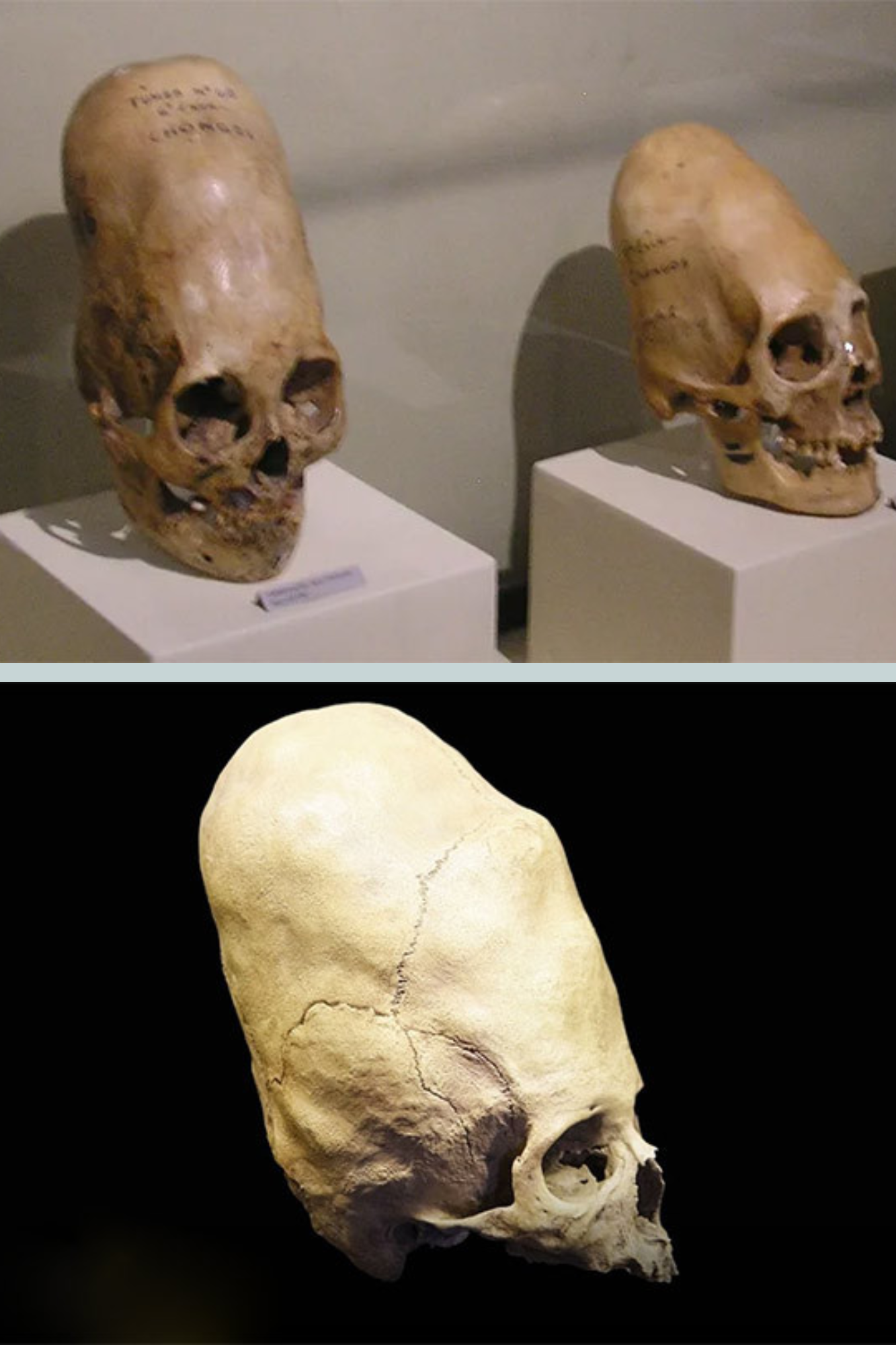
Historians and archaeologists have long been fascinated by the practice of artificial skull elongation discovered in several late Roman-era burials. Evidence shows that during periods of political instability and migration across the Late Roman Empire, some families intentionally reshaped infants’ skulls by binding their heads with cloth or wooden boards.
Experts believe the practice was not originally Roman but influenced by nomadic groups such as the Huns, whose distinctive elongated skulls symbolized identity, status, or cultural belonging. As populations mixed during wars and mass migrations, local elites may have adopted the custom to show alliance, prestige, or social distinction.
Archaeological findings across Central and Eastern Europe suggest the modified skulls were often associated with higher-status burials, indicating the practice carried symbolic meaning rather than medical purpose.
In an age of chaos and cultural change, even the human body became a marker of power, identity, and survival.