US–Israel Launch 12-Hour Air Assault on Iran’s Underground Facilities
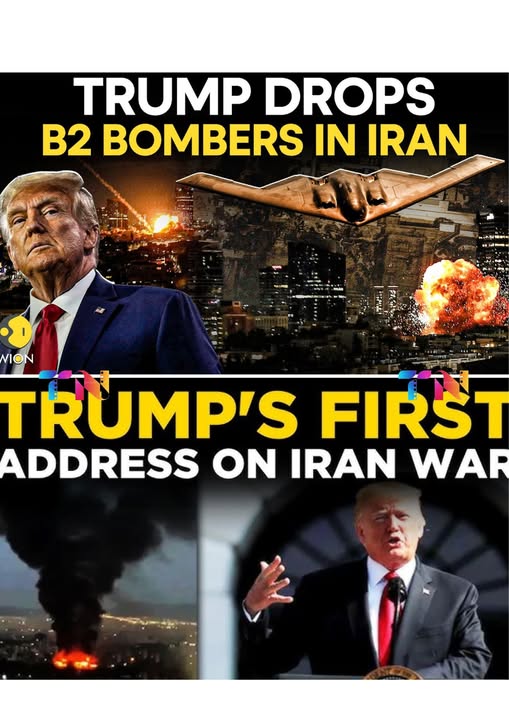
In a significant escalation of Middle East tensions, the United States and Israel have reportedly carried out a coordinated 12-hour air assault targeting underground military sites in Iran. According to early reports, U.S. B-2 stealth bombers spearheaded the operation, striking what officials described as fortified arsenals hidden beneath the surface. While operational specifics remain limited, the United States Department of Defense reiterated its commitment to protecting regional allies and maintaining strategic stability. The scale and precision of the strikes signal a calculated move amid mounting security concerns.
Israeli leadership, including Prime Minister Benjamin Netanyahu, emphasized that the action was framed as a defensive necessity against potential threats. Statements from Tel Aviv highlighted national unity and preparedness, underscoring Israel’s longstanding position on preemptive security measures. Meanwhile, Iranian officials have condemned the strikes, warning of consequences while assessing reported damage to underground infrastructure. Eyewitness accounts describe intense aerial activity, though independent confirmation of specific targets remains ongoing.
Global reaction has been swift. Representatives at the United Nations are reportedly calling for emergency discussions to prevent further escalation. International analysts caution that the operation could reshape alliances, disrupt regional power balances, and influence global energy markets. Security experts note that such actions may trigger diplomatic shifts far beyond the Middle East, drawing in additional global stakeholders concerned about broader instability.

Amid rising uncertainty, humanitarian organizations are closely monitoring the situation, advocating for civilian protection and uninterrupted access to aid if needed. Across social platforms, communities are voicing hopes for de-escalation and peaceful dialogue. As verified information continues to emerge, observers stress the importance of measured responses and diplomatic engagement. While tensions remain high, many around the world continue to call for restraint, constructive communication, and a renewed commitment to long-term regional peace.