📰 TRUMP CONFIRMS DEATH OF IRANIAN LEADERS — SUPREME LEADER KHAMENEI ALSO REPORTED KILLED AFTER STRIKES!
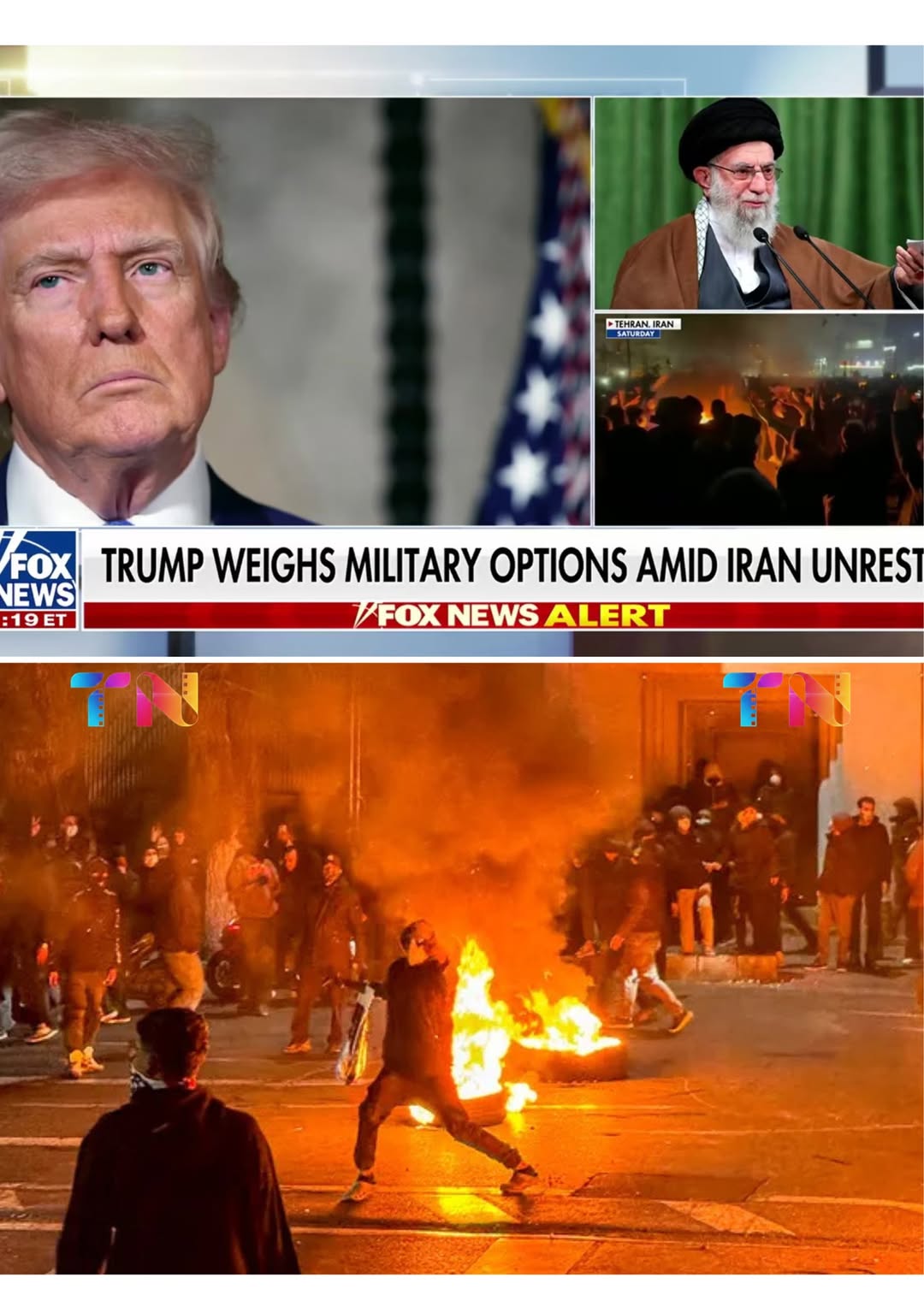
In a stunning development that has reverberated across global politics, U.S. President Donald Trump announced that Supreme Leader Ayatollah Ali Khamenei, along with other senior Iranian officials, was killed in recent joint U.S.–Israeli air strikes on Iran. Trump made the claim via social media and later reiterated it to international outlets, emphasizing that Tehran’s leadership had been significantly degraded by precision attacks.
Iran’s state media confirmed Khamenei’s death, announcing a 40-day mourning period and national remembrance events — a rare and highly consequential admission from the Tehran government. Officials reported that large strikes hit the Supreme Leader’s compound in central Tehran, killing him and multiple high-ranking military and advisory figures.
In his announcement, Trump described Khamenei as “one of the most evil people in history” and framed the strikes as a turning point for the Iranian people, suggesting the leadership vacuum could offer an opportunity for political change within the country. He also said that many other senior commanders and regime figures had been killed in the same operation.
Israeli officials also publicly stated they had growing evidence that the strike had eliminated Khamenei and other top commanders, though they initially stopped short of full official confirmation before Iran’s announcement.
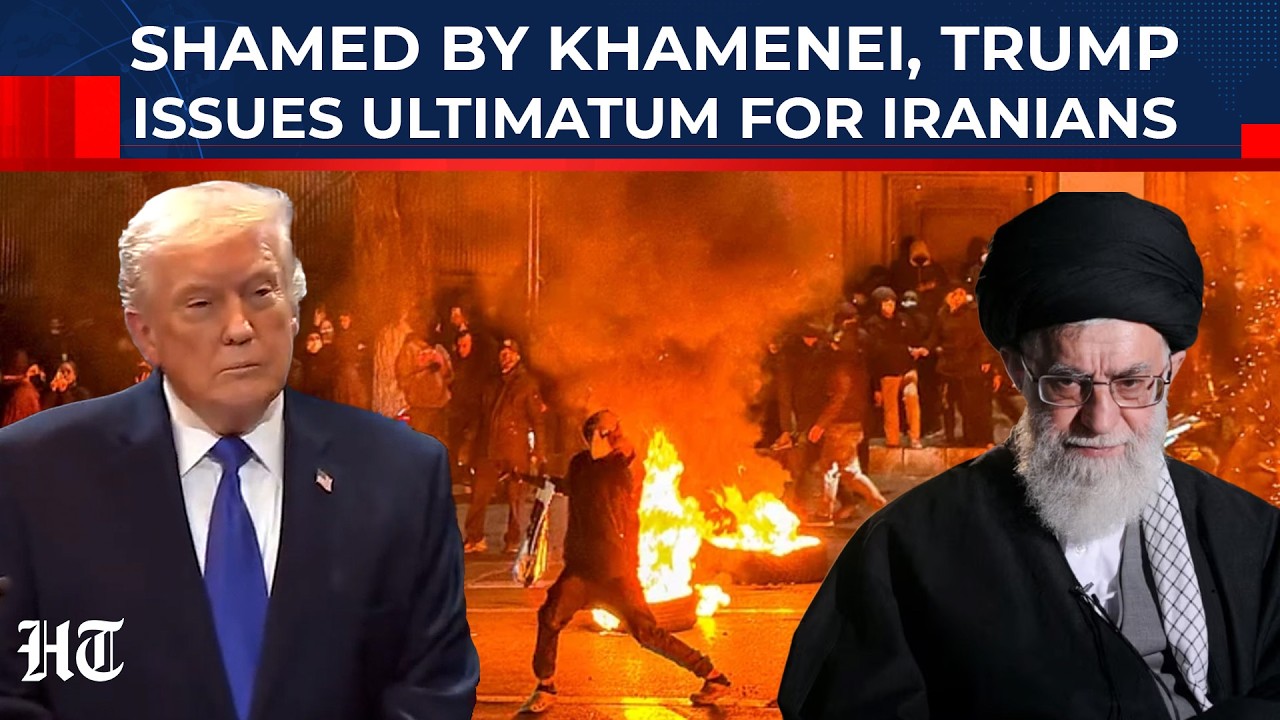
The reported deaths include senior advisers and commanders aligned with Iran’s military and security apparatus, though full details continue to emerge as authorities verify each leader’s status. The magnitude of the strikes and the targeting of such a prominent figure mark one of the most consequential escalations in U.S.–Iran tensions in decades — raising questions about the future of Iranian governance, regional stability, and international diplomatic efforts.
Global reactions have been swift, ranging from calls for de-escalation by international organizations to concerns from regional powers about broader conflict spillover. Markets, security analysts, and foreign ministries are assessing the impact of this leadership shift amid fears of further military engagement or retaliatory actions.
As more verified information becomes available, independent confirmations are expected from additional international media and intelligence assessments. At this moment, the death of Ayatollah Khamenei represents a historic turning point in Middle East geopolitics, one that could reshape both Tehran’s internal political order and broader geopolitical alignments in the months ahead.