Jurassic-Era Ammonite Fossil Discovered in European Limestone Formation
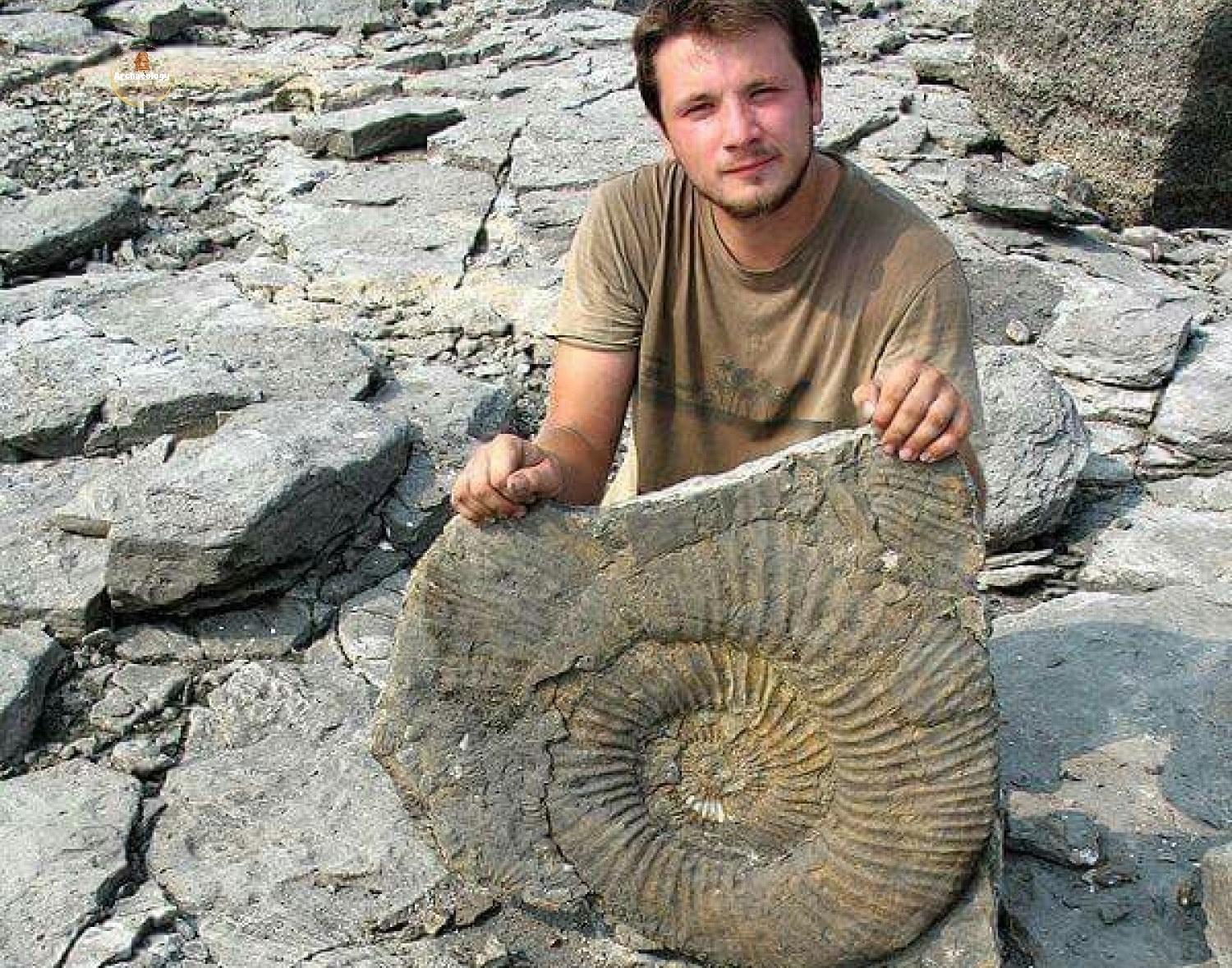
A well-preserved ammonite fossil dating back approximately 150–200 million years has been unearthed from layered marine limestone in Europe, offering a striking glimpse into the Jurassic period when shallow seas covered vast portions of what is now solid land.
The specimen, discovered within sedimentary rock formed during the Jurassic era, features a remarkably intact spiral shell. Its ribbed structure radiates outward in a near-perfect geometric pattern, reflecting the biological design of an extinct marine mollusk that once thrived in ancient oceans.
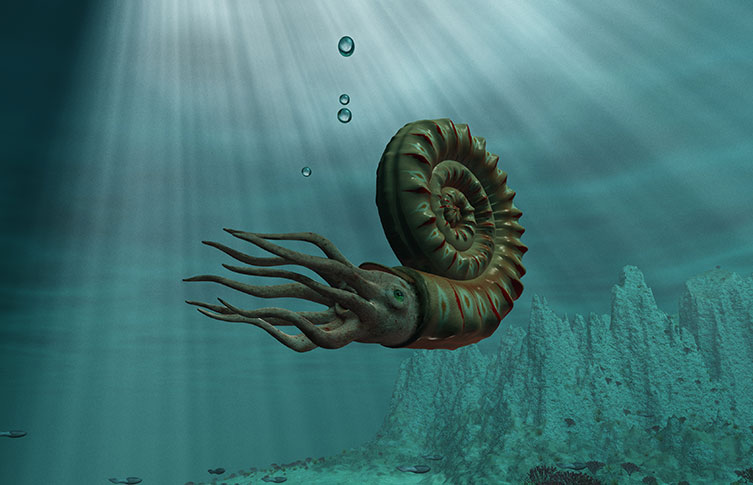
Ammonites were cephalopods related to modern squids and octopuses, though they carried external coiled shells. They flourished for hundreds of millions of years before disappearing at the end of the Cretaceous period. Because ammonite species evolved rapidly and had wide geographic distribution, they serve as key index fossils, helping scientists date rock layers and reconstruct prehistoric marine environments.
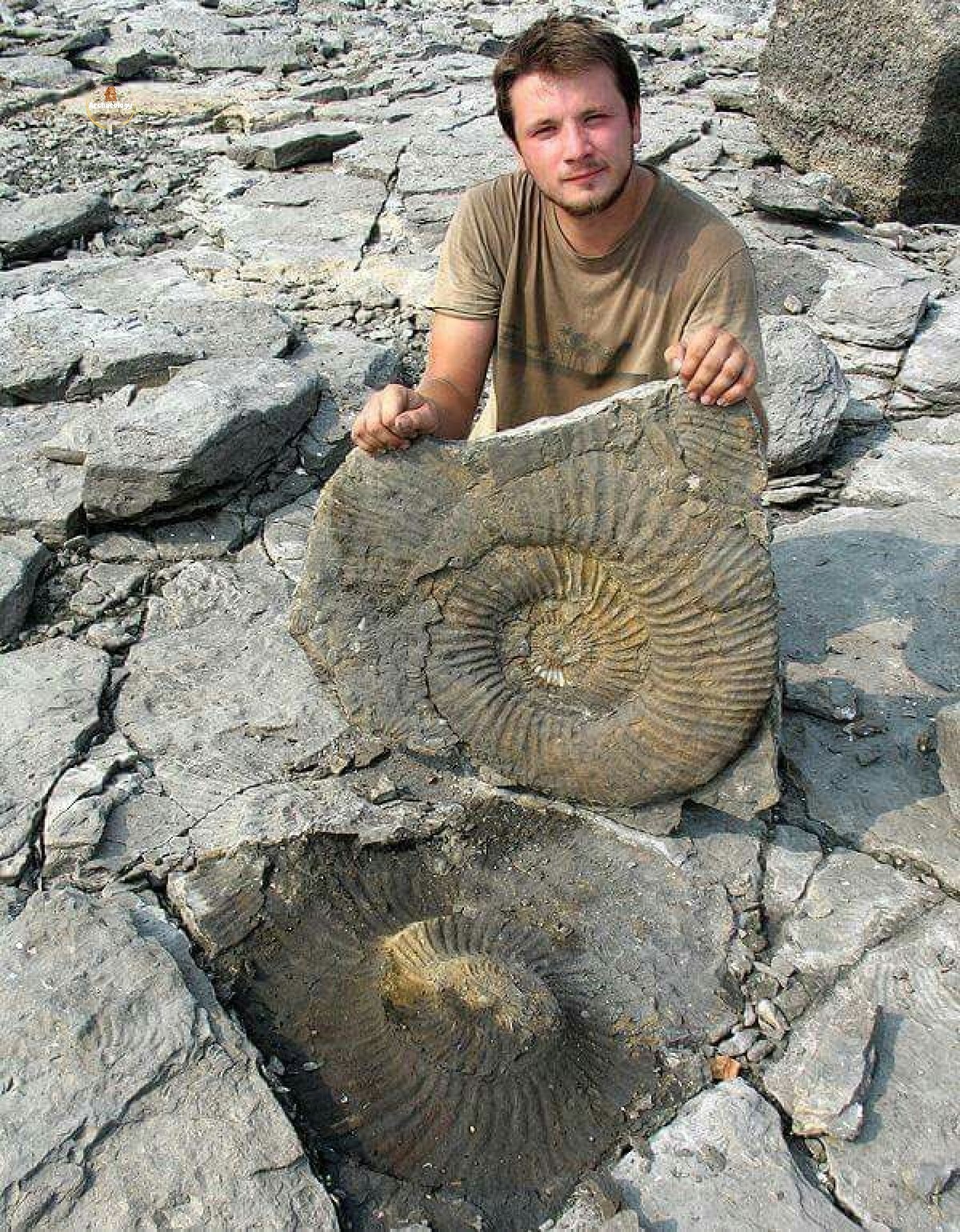
Dr. Elena Krauss, a paleontology researcher involved in examining the find, explained that fossils like this one are more than geological curiosities. “An ammonite shell preserves a biological blueprint,” she said. “Its structure, growth lines, and mineral composition allow us to interpret environmental conditions from millions of years ago. It’s a record of ancient oceans written in stone.”
The fossil formed through a gradual process. After the ammonite died, its shell settled on the seafloor and was buried by sediment. Over time, mineral-rich water permeated the layers, replacing organic material with stone in a process known as mineralization. The surrounding sediment compressed into limestone, preserving the shell’s spiral in remarkable detail.
Geologists note that during the Jurassic period, much of Europe was submerged beneath warm, shallow seas. These marine conditions supported diverse ecosystems of ammonites, marine reptiles, and early coral formations. As tectonic shifts and climate changes reshaped the planet over millions of years, the seafloors eventually rose, forming the landmasses seen today.
The discovery highlights how fossils contribute to understanding Earth’s long-term climate patterns and mass extinction events. By analyzing ammonite distributions and extinction boundaries in rock strata, researchers can trace shifts in sea levels, temperature changes, and ecological transitions across geological time.
Beyond its scientific value, the fossil also evokes a profound sense of perspective. “When you hold something like this,” Dr. Krauss said, “you’re holding evidence of a vanished sea. It’s a reminder of how much the planet has changed — and how small a single human lifetime is in comparison.”
Experts emphasize that such finds reinforce the importance of protecting geological sites. Each preserved fossil represents a non-renewable archive of Earth’s deep history, offering data that cannot be recreated once lost.
As researchers continue to examine the specimen, the ammonite stands as both a scientific resource and a symbol of deep time — a spiral formed in ancient oceans, waiting millions of years to be rediscovered and studied.