Canadian Fossils May Represent the Oldest Jellyfish Ever Discovered
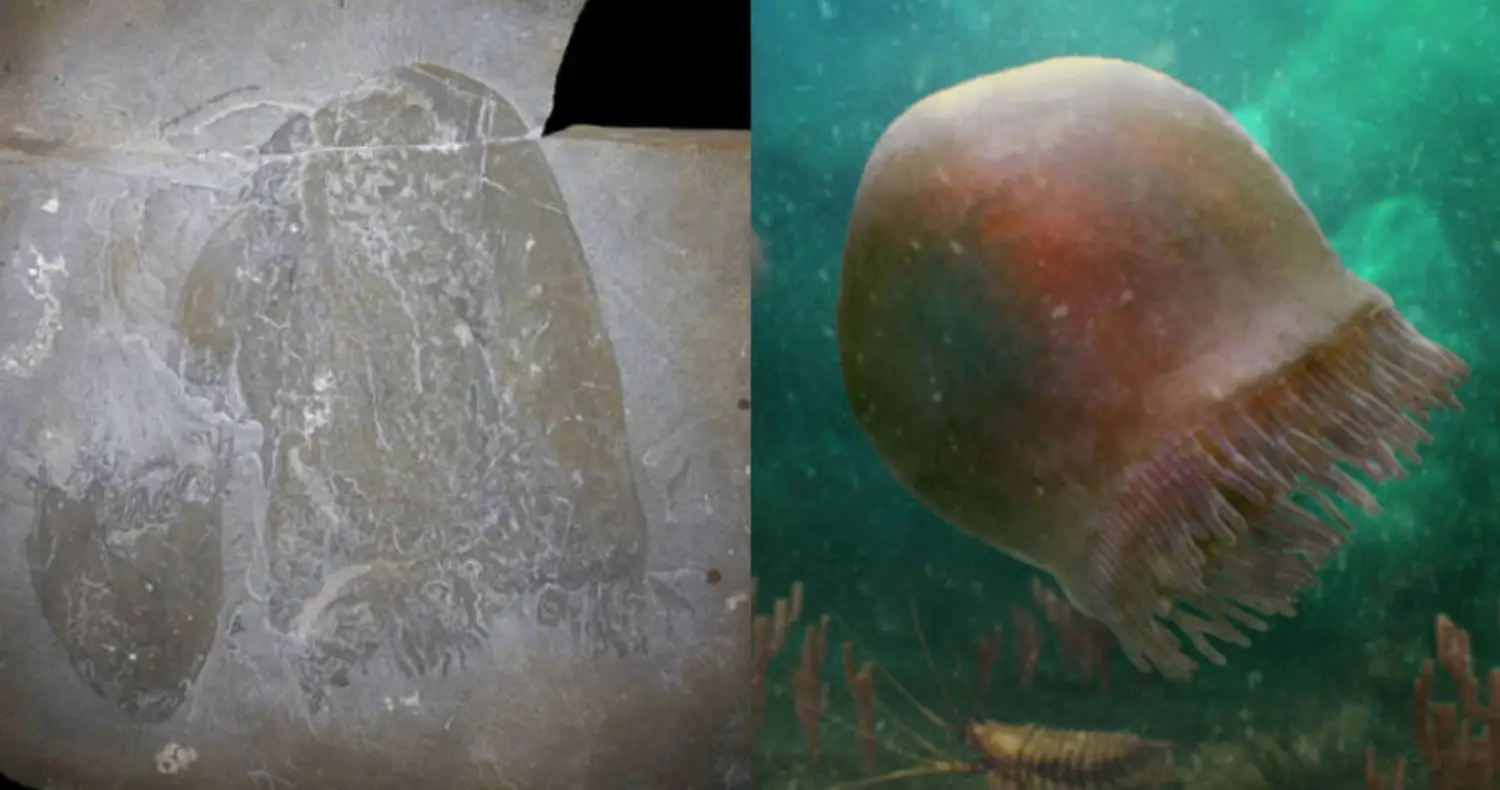
Researchers in Canada have uncovered fossil specimens that may represent the oldest known jellyfish in the scientific record, offering new insight into the early history of marine life on Earth.
The fossils, discovered within ancient sedimentary rock formations, preserve delicate soft-bodied structures rarely seen in the fossil record. Because jellyfish lack hard skeletons or shells, their remains typically decay before fossilization can occur. The unusual preservation of these specimens allows scientists to examine anatomical details such as bell shape, symmetry, and tentacle arrangement.
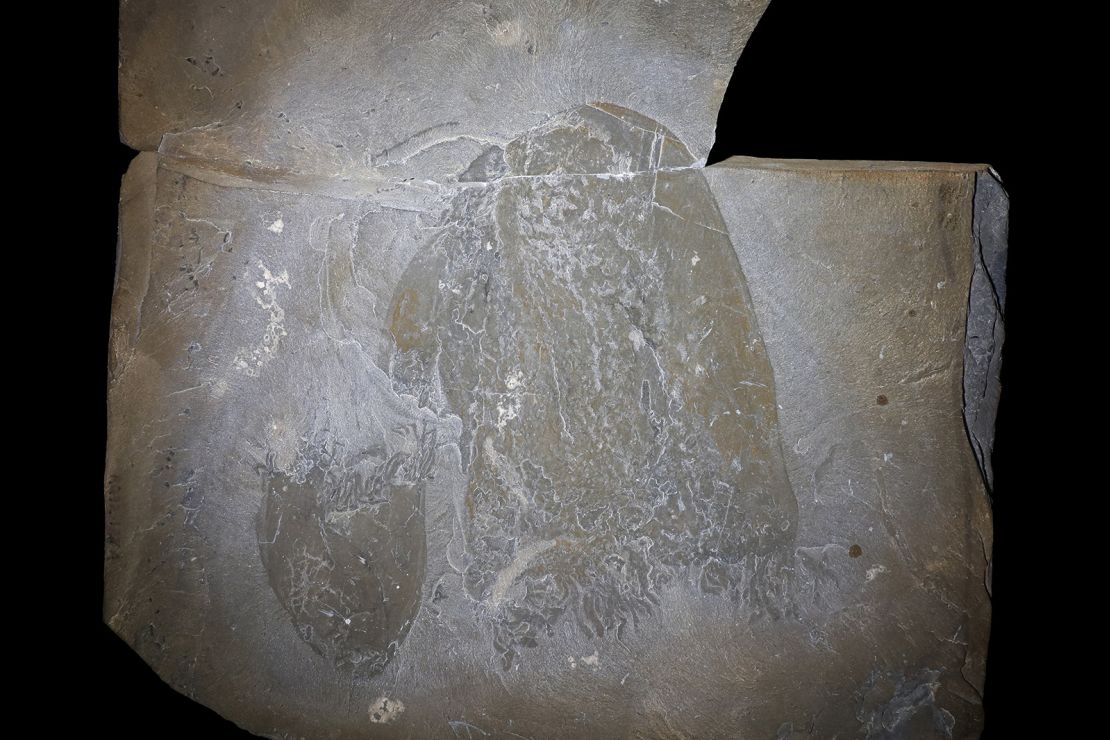
Paleontologists say the discovery could push back the known timeline of jellyfish existence by hundreds of millions of years. Preliminary analysis suggests the fossils may date to the late Precambrian or early Cambrian periods, a time when multicellular life was beginning to diversify in Earth’s oceans.
“Soft-bodied organisms are notoriously difficult to preserve,” one member of the research team explained. “When we find impressions that clearly show structural features like radial symmetry or tentacle outlines, it provides a rare opportunity to study early marine life in extraordinary detail.”
Jellyfish belong to the phylum Cnidaria, a group of simple yet highly successful marine organisms. Despite their apparent simplicity, jellyfish possess specialized stinging cells and coordinated movement patterns that have allowed them to thrive for vast stretches of geological time. The newly discovered fossils appear to capture impressions of soft tissues, enabling researchers to infer aspects of locomotion, feeding behavior, and ecological interaction.
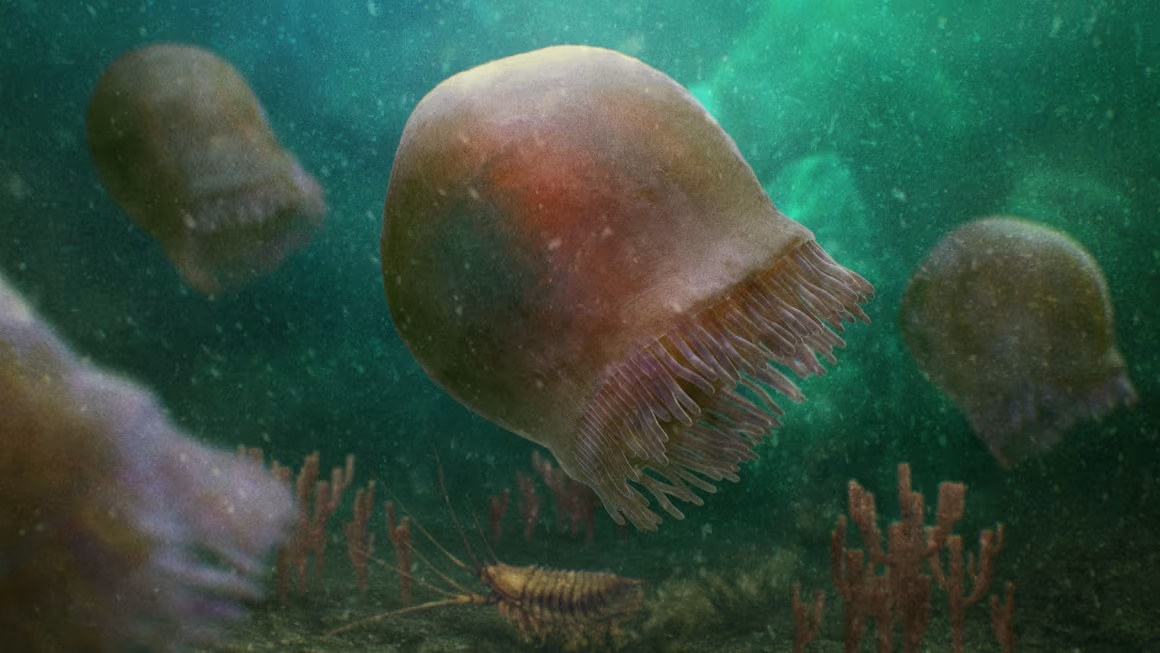
Scientists believe that early jellyfish may have been among the first active predators in prehistoric oceans, feeding on plankton and microscopic organisms. Their presence suggests that complex ecological relationships were already forming in ancient marine environments, long before fish and many other invertebrate groups became dominant.
The sediment layers containing the fossils also offer valuable geological context. By studying the surrounding rock and associated microfossils, researchers can reconstruct environmental conditions such as water depth, temperature, and chemical composition. This information helps build a broader picture of the ecosystems in which these early organisms lived.
Canada has long been recognized for significant fossil discoveries, including well-preserved trilobites and other early marine invertebrates. The potential identification of the oldest jellyfish adds to the region’s scientific importance and highlights the value of continued exploration and careful excavation.
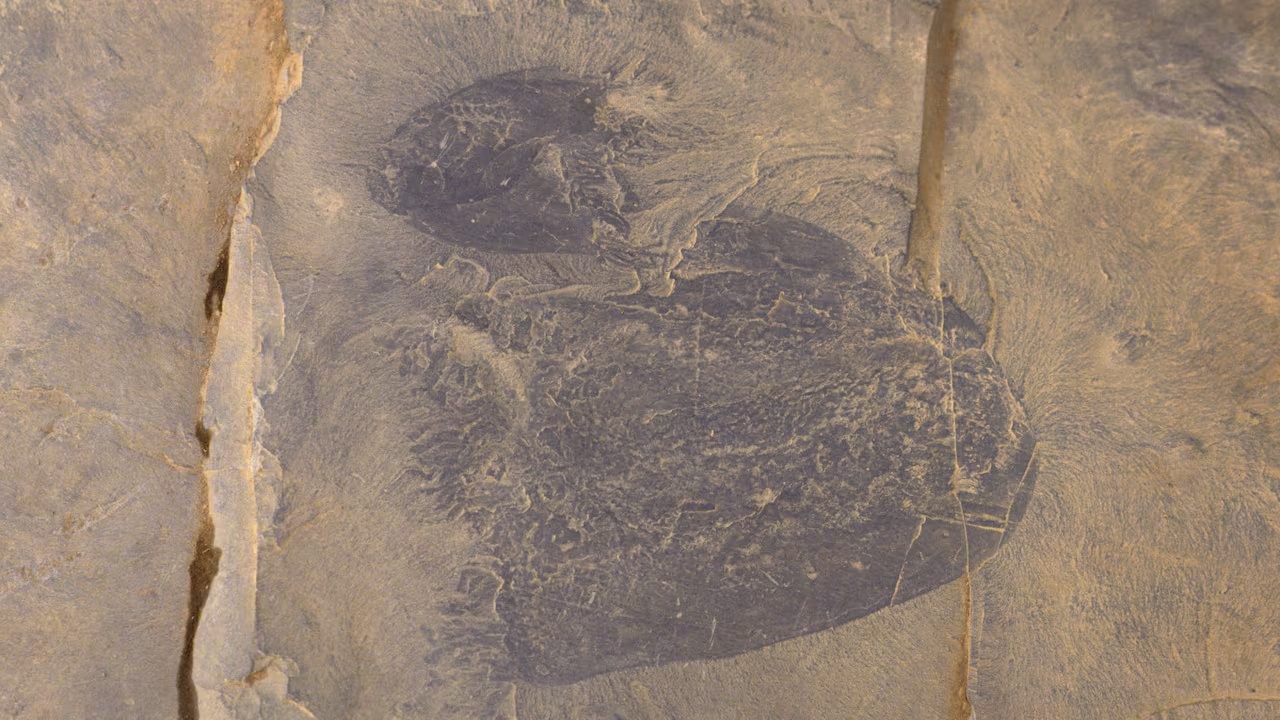
Researchers are now using advanced imaging technologies, including high-resolution scanning and three-dimensional modeling, to analyze the fossils in greater detail. These tools allow scientists to visualize subtle structures without damaging the specimens, providing deeper insight into evolutionary continuity between ancient and modern jellyfish species.
Comparisons with living jellyfish may help establish how certain anatomical features — such as body symmetry and swimming mechanisms — have remained stable over hundreds of millions of years. Such continuity underscores the resilience of the jellyfish body plan, which has persisted through dramatic shifts in climate, ocean chemistry, and biodiversity.
Beyond evolutionary biology, the discovery emphasizes the broader story of life’s endurance. Jellyfish have survived multiple mass extinction events and major environmental changes, maintaining a presence in Earth’s oceans from deep time to the present day.
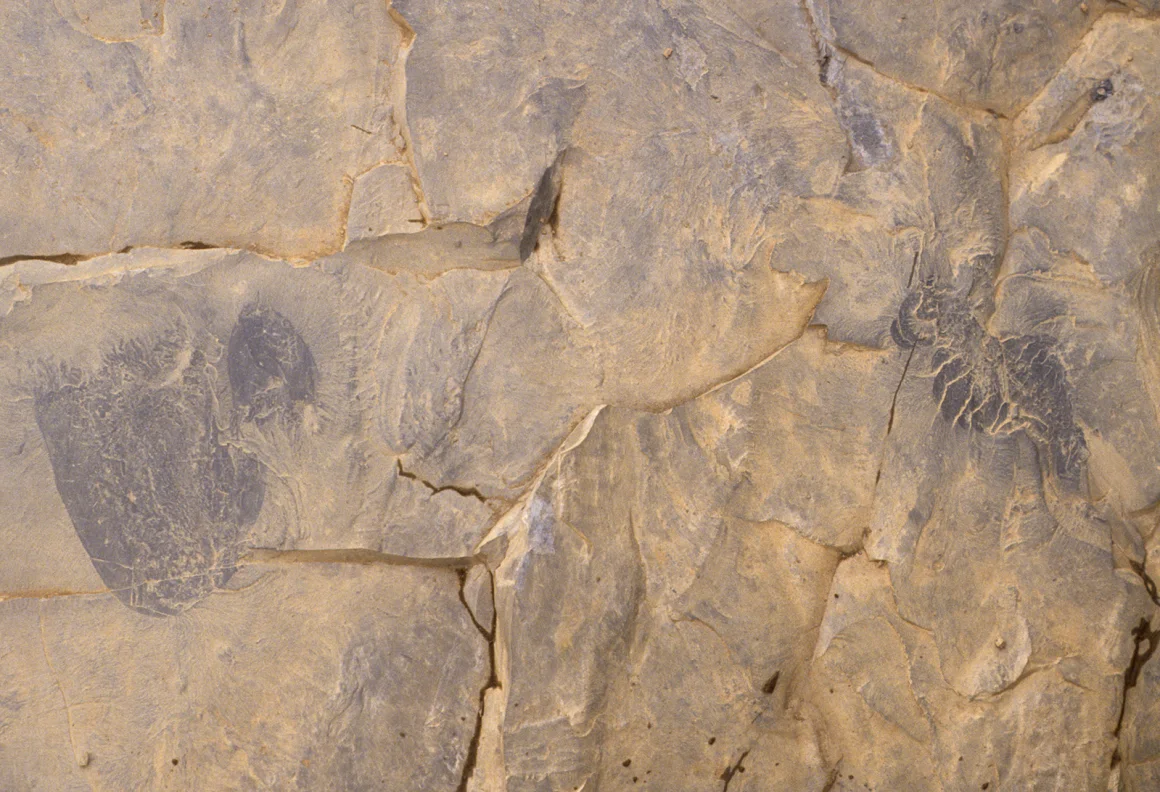
While further study is required to confirm the exact age and classification of the specimens, paleontologists agree that the fossils represent a remarkable window into prehistoric seas. As research continues, the findings may refine scientific timelines and deepen understanding of how early ecosystems functioned.
The discovery also serves as a reminder of the importance of preserving fossil sites and supporting scientific research. Each well-preserved specimen contributes another piece to the complex puzzle of life’s origins and development.
If confirmed, these ancient jellyfish fossils will stand among the most significant soft-bodied discoveries in paleontology, shedding light on the early evolution of marine biodiversity and the enduring legacy of one of Earth’s oldest surviving animal groups.