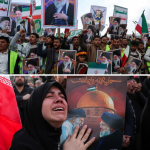
China Slams U.S. Over Iran Strike — A War of Words Escalates
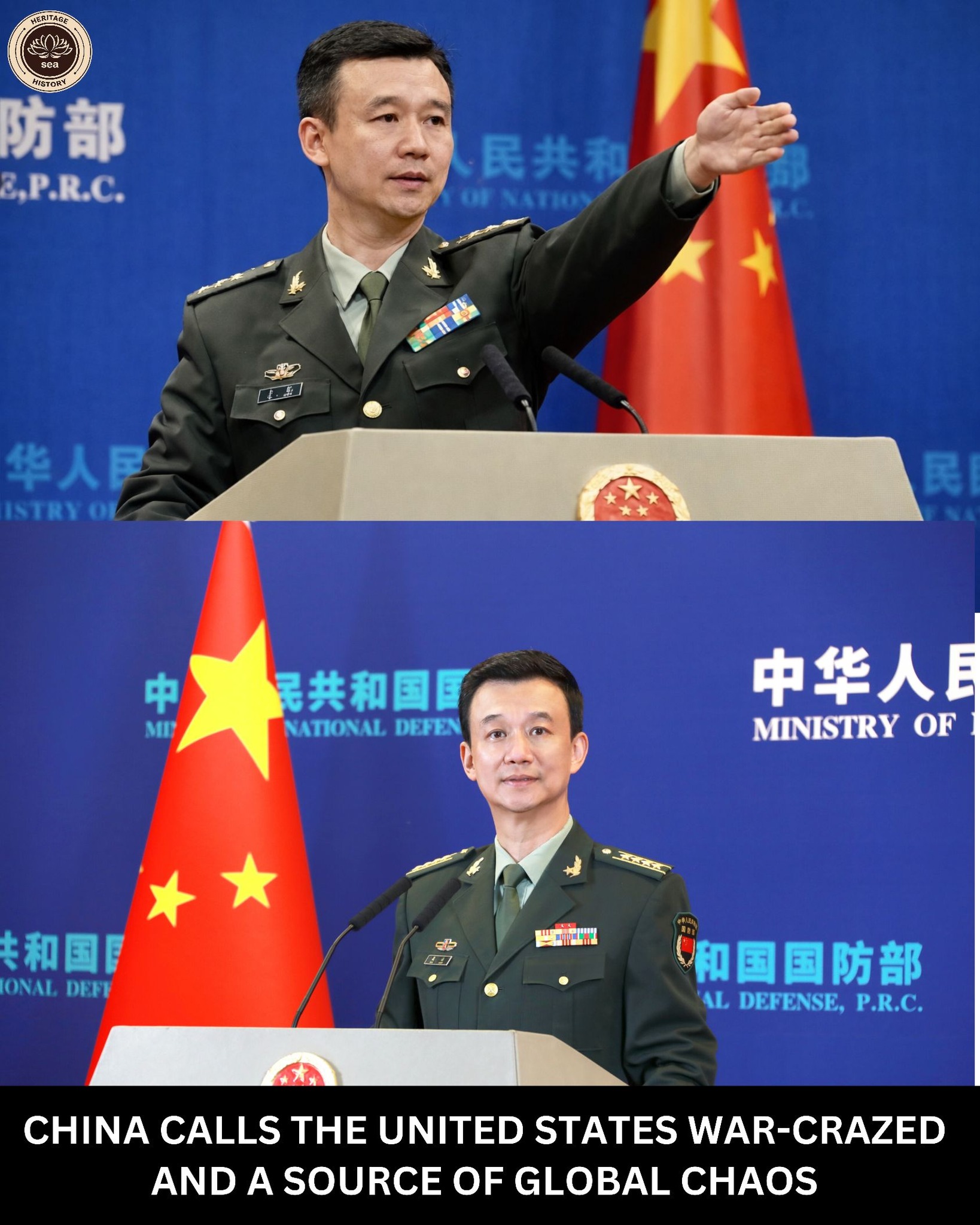
Tensions flared on the global stage after the government of China issued a sharp condemnation of the United States following its strike on Iran.
Speaking on behalf of Beijing, Defense Ministry spokesperson Wu Qian delivered a pointed critique, describing the United States as a nation “obsessed with war” and accusing it of being a primary driver of global turmoil. He cited a widely referenced statistic claiming that in its more than 240-year history, America has experienced only 16 years without involvement in conflict — a figure often used in political discourse to highlight the extent of U.S. military engagement abroad.
The statement reflects more than immediate outrage over a single military action. It underscores the growing strategic rivalry between Washington and Beijing. China has consistently emphasized principles such as sovereignty and non-interference in international affairs, positioning itself as a counterweight to what it portrays as American interventionism.
At the same time, perspectives on U.S. foreign policy remain deeply divided. Supporters argue that American military presence abroad serves to deter aggression, protect allies, and stabilize key regions. Critics counter that repeated interventions have contributed to prolonged instability and unintended consequences.
This exchange of strong rhetoric signals a broader shift in global politics — one marked by sharper language, rising competition among major powers, and increasing polarization. When two influential nations trade accusations in such stark terms, it reflects not just disagreement over one event, but contrasting visions of global order.
The larger question now is whether escalating rhetoric will give way to diplomatic engagement — or further deepen the divide in an already fragile international landscape.