Trump Slams UK Over “Delayed” Support as Iran Conflict Intensifies; Operation Outpaces Expectations
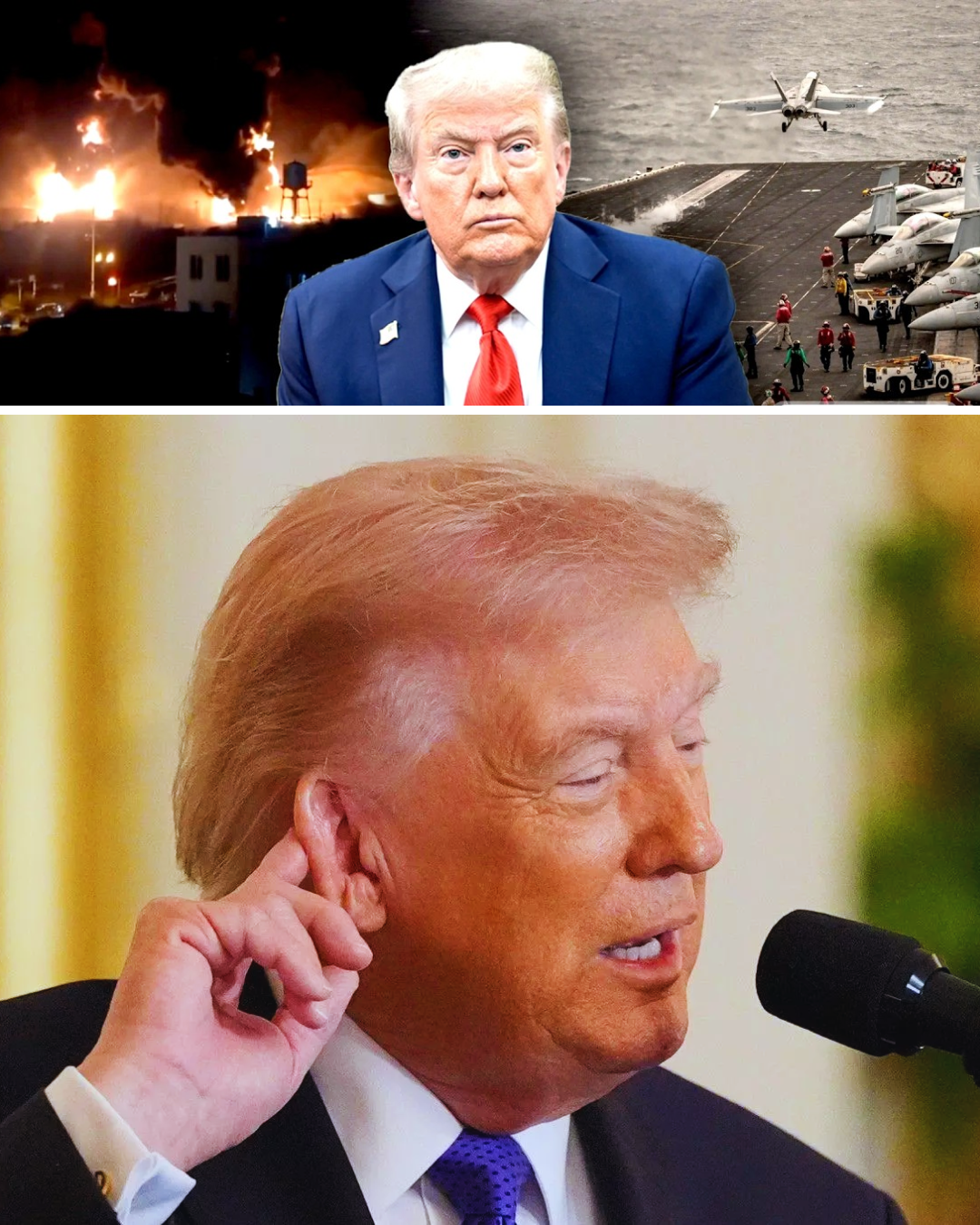
WASHINGTON D.C. — In a series of sharp rebukes, U.S. President Donald Trump has criticized the United Kingdom for its perceived hesitation in supporting the initial stages of the joint U.S.-Israeli military campaign against Iran. Despite the diplomatic friction, Trump remains bullish on the operation’s progress, claiming the offensive is significantly ahead of schedule.
Diplomatic Friction: The Base Access Dispute
In a recent interview with the Daily Telegraph, President Trump expressed profound frustration with London’s initial refusal to grant access to strategic military installations. According to diplomatic sources, during the first wave of strikes on February 28, the UK government denied the U.S. use of the strategic base at Diego Garcia and other military airfields.
The core of the dispute reportedly stems from Prime Minister Keir Starmer’s concerns regarding the legal justification for preemptive strikes. Trump dismissed these concerns, labeling the delay as “unprecedented” in the history of the trans-Atlantic partnership. “It seems he [Starmer] was more worried about legal procedures than decisive action,” Trump remarked. While Starmer eventually shifted his stance following an Iranian missile and drone retaliation that targeted a British airbase in Cyprus on March 1, Trump maintained that the pivot was “too little, too late” .
The Chagos Controversy
The tension extends beyond current military operations. Trump also publicly voiced disappointment over the UK’s agreement to transfer sovereignty of the Chagos Islands to Mauritius—a move intended to secure the long-term status of the Diego Garcia base. Trump described the decision as a “disappointing and misguided wake-up call,” arguing the UK should have retained ownership. Following his shift from support to vocal opposition, the agreement’s progress is currently stalled in the British Parliament.
Operation “Epic Fury” Surges Ahead
Despite the lack of initial British support, Trump asserted that the military campaign against Iran is exceeding its original goals. “We expected it to take two to three weeks to dismantle the Iranian leadership, but in reality, we wiped them all out in a single day,” Trump claimed, emphasizing the global impact of the results.
U.S. Defense Secretary Pete Hegseth clarified the mission’s objectives, which include:
-
Destroying Iran’s offensive missile capabilities and production facilities.
-
Neutralizing the Iranian Navy.
-
Dismantling key security infrastructure to ensure Iran never possesses nuclear weapons.
While the administration has not ruled out the deployment of ground troops, Hegseth emphasized that the U.S. would not be drawn into an “endless war” similar to the Iraq conflict. He noted that modern strategy allows for the achievement of U.S. interests without the massive, long-term occupation seen in previous decades.
The Hormuz “Card” and Economic Volatility
As the conflict enters its third day, the global economy is bracing for potential disruption. Iran still holds the “strategic card” of the Strait of Hormuz—a maritime chokepoint responsible for 20% of the world’s oil and gas transport.
The mere threat of closure has already caused Brent crude prices to surge by 13% to over $82 per barrel. Analysts warn that a total blockade could push U.S. gasoline prices toward the mid-$3 per gallon range, creating significant political pressure on the Trump administration ahead of the mid-term elections. Major shipping firms, including Maersk, have already suspended transits through the strait, choosing instead to reroute around Africa.
Rising Casualties and Ground Realities
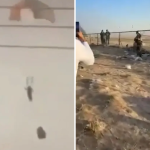
The conflict has exacted a human toll. U.S. officials have confirmed the first military casualties of the campaign, with reports indicating three U.S. service members killed and five others seriously injured during coordinated strikes. Meanwhile, an American F-15E Strike Eagle crashed in Kuwait; however, both pilots reportedly ejected safely.
On the Iranian side, high-ranking official Ali Larijani has categorically rejected any diplomatic contact with the U.S., dismissing reports of back-channel negotiations via Oman. Larijani accused President Trump of dragging the region into chaos, asserting that the Iranian people are currently in a state of self-defense.
As Washington continues its “Epic Fury” and Israel proceeds with “Operation Roar of the Lion,” the world watches with bated breath to see if this “decisive action” will lead to a new regional order or a prolonged global crisis.